





An these rolls brings together grilled freshwater eel, seasoned sushi rice, cucumber, and nori in a balanced, flavorful bite. In Japan, the cucumber-and-eel version is known as unakyu maki. Its appeal lies in the contrast between rich, sweet kabayaki eel and the cool crunch of fresh cucumber.
For restaurants, sushi counters, and food distributors, it is a practical menu item as well. The eel is cooked before service, ingredients are straightforward to portion, and the finished roll travels well in takeaway boxes, mixed sushi platters, and dine-in orders.

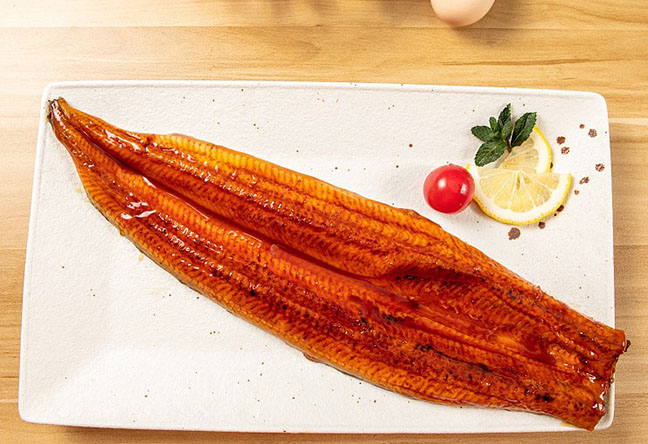
At its core, an the roll is a maki-style sushi roll filled with grilled eel and cucumber. The eel is typically freshwater unagi prepared in the kabayaki style: filleted, grilled, brushed with a sweet soy-based sauce, then grilled again until glossy and tender.
The roll can be made with nori on the outside or inside, depending on the restaurant’s preferred presentation. A typical preparation includes:
The texture contrast is what makes this sushi roll so satisfying. Eel is tender, savory, and gently sweet. Cucumber contributes moisture and a crisp bite, while vinegar-seasoned rice keeps the overall flavor light enough to enjoy.
On most restaurant menus, eel roll vs unagi roll is not a strict technical distinction. “Unagi” is the Japanese term commonly used for freshwater eel, while “eel roll” is the English menu description. Both can refer to sushi rolls made with grilled freshwater eel.
Still, it is worth confirming the ingredients with the supplier or chef. Not every eel roll uses the same cut of eel or the same sauce. Some versions contain eel alone, while others include cucumber, avocado, tamago, or cream cheese. When cucumber is part of the filling, the Japanese name unakyu maki is especially appropriate; “kyu” refers to cucumber in this context.
Unagi should not be confused with anago. Unagi is freshwater eel, whereas anago generally refers to saltwater conger eel. They differ in texture, fat content, and the cooking methods commonly used. Clear menu descriptions help buyers and diners understand exactly what they are ordering.
Kabayaki eel is already grilled and seasoned, so it brings a finished flavor profile to the roll. Kitchen teams do not need to marinate raw eel during every service period. That can simplify portion control, especially in busy sushi operations.
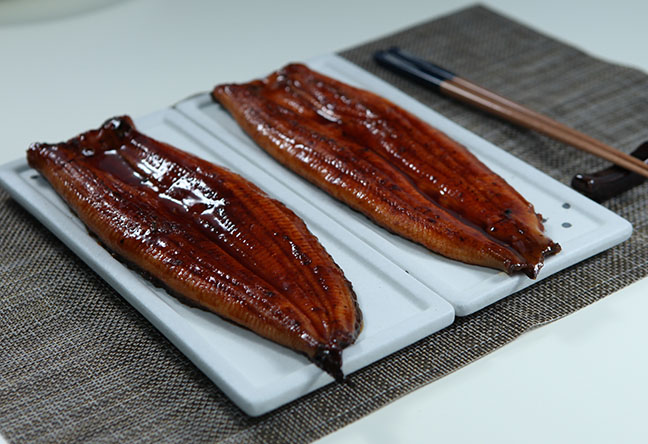
Our unagi kabayaki is supplied as a cooked eel product for foodservice and wholesale applications. Depending on the pack format, your kitchen can thaw, heat, portion, and assemble it according to its operating procedure.
Many sushi fillings are soft from end to end. Eel and cucumber offer something different. Warmed eel creates a tender center, while cucumber keeps the roll bright and crisp. The rice holds everything together without overpowering the filling.
An eel roll works as a six- or eight-piece maki, part of a combination platter, or a component of a larger sushi set. It pairs naturally with miso soup, edamame, pickled ginger, and green tea. For a more filling meal, some restaurants serve two or three pieces alongside grilled eel over rice.
Cook the sushi rice and let it cool to a workable temperature. Rice that is too hot can soften the nori and make the roll harder to shape. Cut cucumber into sticks of similar length and thickness, then trim the cooked eel into strips that fit the width of the nori.
For reliable portions, weigh or measure eel strips during prep. A consistent filling gives customers the same experience from one order to the next and helps purchasing teams estimate yield more accurately.
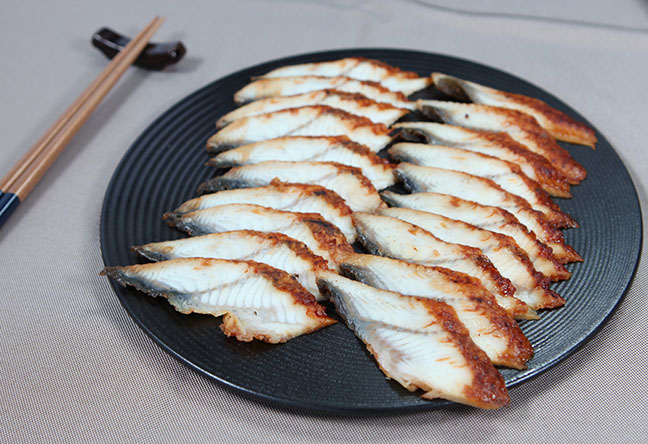
Thaw frozen eel under controlled refrigeration or according to the product instructions. Warm the kabayaki until the center is hot. A steamer, oven, grill, or microwave may be suitable depending on your kitchen setup and packaging. Take care not to overheat it, as the flesh can dry out and become difficult to roll.
Keep raw and cooked ingredients separate, and follow local food-safety requirements for storage, reheating, and service. Sushi rice should also be managed under the temperature and time controls used in your operation.
Wipe the knife between cuts instead of pressing down repeatedly. This prevents the rice from dragging and leaves cleaner cut surfaces. Finish with a light brush of eel sauce, toasted sesame, or finely sliced scallion.
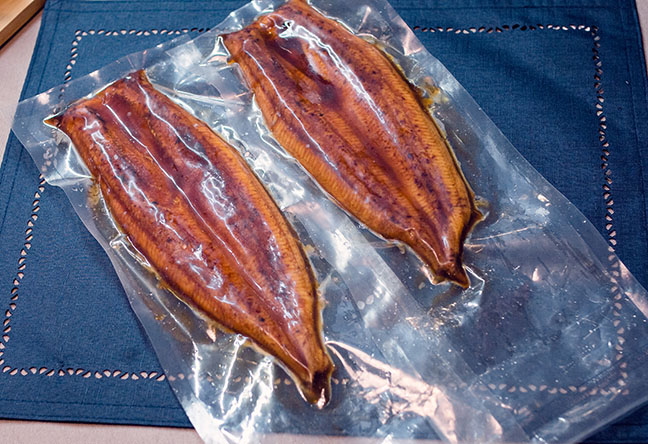
The sauce should complement the eel, not cover it. Kabayaki sauce, also called unagi tare, generally contains soy sauce, sugar, and mirin or another sweet seasoning. Recipes vary, so buyers should review the ingredient declaration and flavor profile before choosing a product.
Eel sauce can be brushed over the eel before rolling, applied to the top after slicing, or served in a small dish. Our article on kabayaki sauce explains how the glaze shapes the finished flavor and appearance.
For menu photography and service, arrange the pieces with the cut side facing upward. This makes the dark eel strip and pale cucumber easy to see. A light drizzle of sauce, white sesame, or a small shiso garnish can add color without obscuring the filling.
The same cooked eel can also be used across the menu. It works as a donburi topping, alongside tamagoyaki, in hand rolls, or as a rich addition to noodle dishes. For another serving idea, see our eel recipes.
When sourcing eel for a sushi roll program, look beyond the species name. Ask about fillet size, cooking method, sauce coverage, glazing, pack weight, freezing condition, and carton configuration. Each detail can affect labor requirements and serving cost.
Frozen cooked eel can simplify stock planning because it may be stored and portioned as needed. Your team should still have clear procedures for thawing, heating, opened-pack storage, and date labeling. A dependable product specification also helps chefs reproduce the same roll across shifts and locations.
Eelpro Co., LTD supplies frozen unagi kabayaki, eel sauce, freshwater eels, and other frozen seafood for overseas buyers. We work with importers, distributors, and restaurants that need product information suited to commercial purchasing.
An eel roll is a sushi roll made with cooked grilled freshwater eel, sushi rice, nori, and commonly cucumber. In Japanese, the cucumber version is called unakyu maki. The eel is usually prepared as kabayaki and finished with a sweet soy-based sauce.
To make an eel roll, prepare seasoned sushi rice, cucumber sticks, and warmed cooked eel. Spread rice over nori, place the eel and cucumber near the lower edge, roll firmly with a bamboo mat, and cut the cylinder into six or eight pieces. Add eel sauce or sesame as a finishing touch.
In many menus, eel roll and unagi roll describe the same type of sushi. “Unagi” identifies freshwater eel, while “eel” is the English term. The exact filling can vary, so check whether the roll contains cucumber, avocado, sauce, or other ingredients.
Yes. Commercial frozen kabayaki is cooked before freezing and can be used after controlled thawing and reheating. Follow the supplier’s handling instructions and your local food-safety rules. Portion the warmed eel into strips before assembling the roll.
Serve a dependable eel roll with Eelpro
A good eel roll does not need a long list of ingredients. Properly cooked kabayaki, fresh cucumber, seasoned rice, and a neat nori wrap create a satisfying piece of Japanese sushi. For wholesale supply, Eelpro Co., LTD can provide frozen unagi kabayaki and eel sauce for menu and distribution needs. Contact us to discuss pack sizes, specifications, and export orders.


 WhatsApp
 sales@chinaeels.com
 +8619937922411