





Japanese eel is a sought-after ingredient for restaurants, wholesalers, and retail food brands around the world. For importers, successful sourcing involves far more than flavor. You need clear species details, dependable processing, suitable packaging, accurate documentation, and a supplier that can protect quality from production through delivery.
This guide covers the key buying considerations for Japanese unagi, from product formats and processing controls to export logistics and supplier selection. It is intended for seafood distributors, foodservice operators, supermarket buyers, and importers looking to build a reliable unagi supply program.
When buyers say Japanese eel, they may mean the species Anguilla japonica, Japanese-style unagi products, or eel prepared for Japanese cuisine. These meanings should be clarified early in product discussions. Ask the supplier to list the scientific name, farming or harvesting origin, processing country, and full product description on the specification sheet.
Anguilla japonica is a freshwater eel species associated with Japan, China, Taiwan, and parts of the western Pacific region. It spends part of its life in freshwater before migrating to the ocean to reproduce. Other species, including European eel (Anguilla anguilla) and American eel (Anguilla rostrata), are also traded internationally. They are not interchangeable for regulatory, traceability, or culinary purposes.
In export trade, “Japanese unagi” often refers to a preparation style rather than proof that the eel was farmed in Japan. A responsible quotation should clearly identify:
With these details in hand, you can compare offers on a like-for-like basis. They also help prevent issues during customs clearance and local label review.
Live or raw freshwater eel may suit processors with specialized handling equipment. This format gives buyers more control over cutting, cooking, seasoning, and pack size. It also brings added responsibility for temperature management, food safety, labor, and local import permits.
Raw frozen eel is easier to manage than live eel and can support scheduled production. Buyers should confirm whether the fish is gutted, headed, split, cleaned, or supplied whole. “Frozen eel” alone is not a sufficient product description.
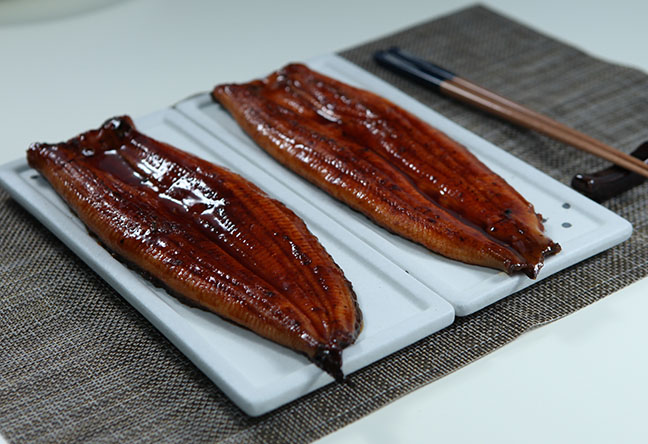
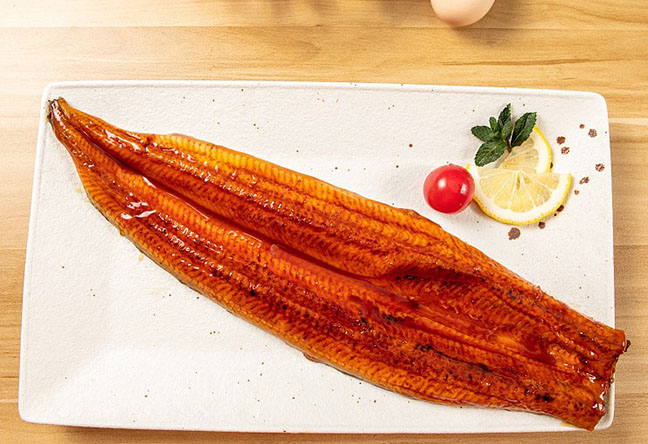
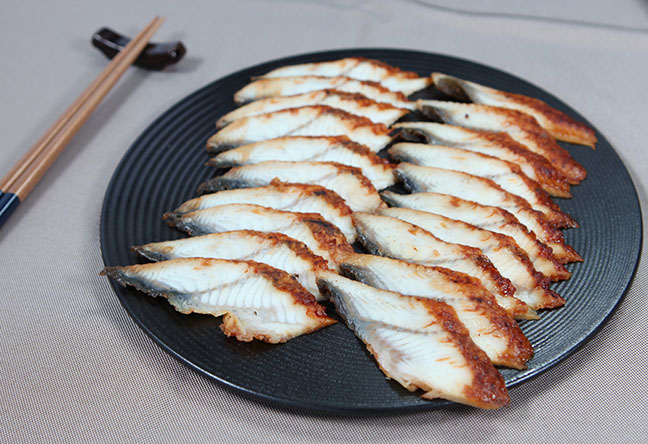
Frozen unagi kabayaki is the most practical format for many restaurants and distributors. The eel is generally opened, cleaned, grilled or steamed, coated with a sweet-savory sauce, and frozen. Depending on the product instructions, it can be reheated in a combi oven, pan, grill, microwave, or on a rice bowl production line.
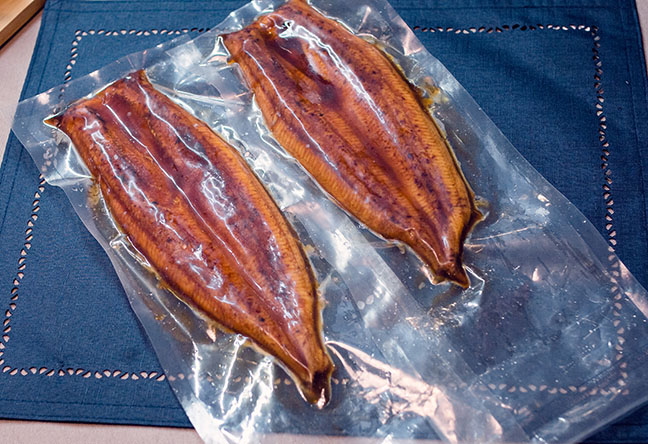
Common formats include fillets, half fillets, whole fillets, kabayaki portions, and vacuum-packed pieces. Request the fillet length, piece count per carton, average piece weight, sauce ratio, and confirmation of whether the stated weight includes glaze.
For product specifications and pack options, review our unagi kabayaki product page. A detailed product sheet helps you compare landed cost per usable portion, not simply price per carton.
Sauce has a direct effect on final flavor, appearance, and portion cost. Some buyers prefer a light glaze that lets the eel flavor stand out. Others need a darker, sweeter coating for rice bowls, sushi counters, or prepared meals.
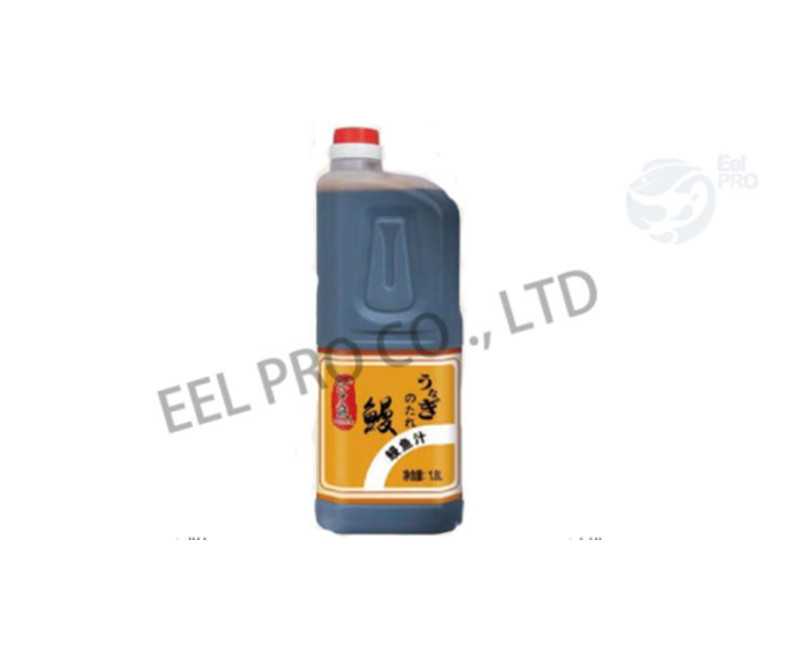
Check the sauce ingredients, allergen statement, viscosity, salt level, brix where available, and packaging format. Some exporters pack sauce with the eel, while others offer separate sachets, bottles, or bulk containers. Our eel sauce product range can be considered when you need a separate unagi tare supply.
For menu development, the article on kabayaki sauce explains how seasoning complements the grilled eel format.
Processing methods vary by factory and product specification, but an export order commonly follows this sequence:
When asking how is Japanese eel processed for export, do not stop with the cooking method. Request the factory flow chart, critical control points, microbiological testing policy, allergen controls, and traceability procedure. Your local authority may also require health certificates, establishment approval, farming or catch information, or specific labeling.
Import approval requirements depend on the destination market. Confirm applicable rules with your customs broker and food authority before placing a commercial order. Species protection and documentation requirements can also vary by origin and species. A supplier should provide accurate origin information rather than use “Japanese” as a broad marketing label.
Quality begins with the raw eel, but it is ultimately judged by the product that arrives at your warehouse. Request a sample before approving a full container or recurring supply program. Evaluate texture after reheating, skin condition, bone presence, sauce balance, odor, portion consistency, and drip loss.
Your purchase specification should cover:
Vacuum packs can reduce freezer exposure and simplify portion control. Cartons should be strong enough for stacking in frozen storage. Outer labels must match the commercial invoice, packing list, health documents, and destination-country requirements.
Frozen Japanese eel normally requires an uninterrupted frozen chain. Confirm the agreed transport temperature, loading procedure, carton palletization, data logger policy, and action plan for delays. A temperature-controlled reefer shipment is only one part of the process; the product must also be stored correctly after arrival.
A practical unagi export program starts with a precise quotation. Ask for the price basis, minimum order quantity, lead time, production capacity, payment terms, and Incoterm. Compare EXW, FOB, CIF, and DDP offers carefully, as each assigns different costs and responsibilities to the buyer.
Before ordering, confirm whether the supplier can provide:
Ask how the supplier handles nonconforming goods. A useful answer should cover inspection records, claim deadlines, retained samples, and corrective action. Small details can have a real financial impact; for example, whether sauce weight is included in the declared net weight may change a buyer’s actual margin.
For restaurant distributors, portion consistency may matter more than the lowest unit price. Retail buyers may prioritize barcode support, retail-ready artwork, nutrition information, and local-language labeling. Food manufacturers often need bulk fillets, custom sauce, and a stable annual supply.
If you are deciding where to buy Japanese eel wholesale, begin with an exporter that can provide product specifications and traceability before discussing volume. Eelpro Co., LTD supplies frozen unagi kabayaki, eel sauce, freshwater eels, and other frozen seafood for overseas buyers. We can discuss piece sizes, packaging, sauce formats, and destination-market requirements based on your purchasing plan.
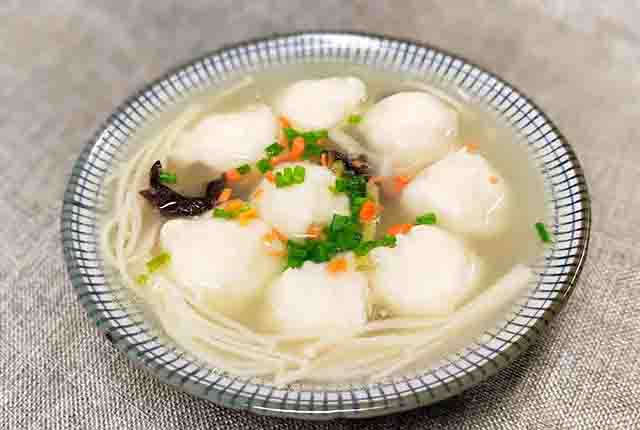
Buyers developing a wider menu can also review our eel recipes for applications beyond kabayaki rice bowls, including eel noodle soup and other prepared dishes.
A reliable Japanese eel purchase begins with precise information: species, origin, processing format, pack weight, sauce ratio, documents, and cold-chain conditions. Sample the product, approve a written specification, and confirm import requirements before shipment.
Contact Eelpro Co., LTD to discuss frozen unagi kabayaki, unagi tare, freshwater eel, and other frozen seafood for your wholesale or foodservice program.


 WhatsApp
 sales@chinaeels.com
 +8619937922411