





If you have searched for eel sashimi on a sushi menu, you may have noticed it is never listed. Freshwater eel is always cooked before serving — and for good reason. The blood of unagi contains a protein that can cause illness if the fish is eaten raw. This article explains why raw eel does not exist in traditional Japanese cuisine and how the cooking process makes the dish safe.
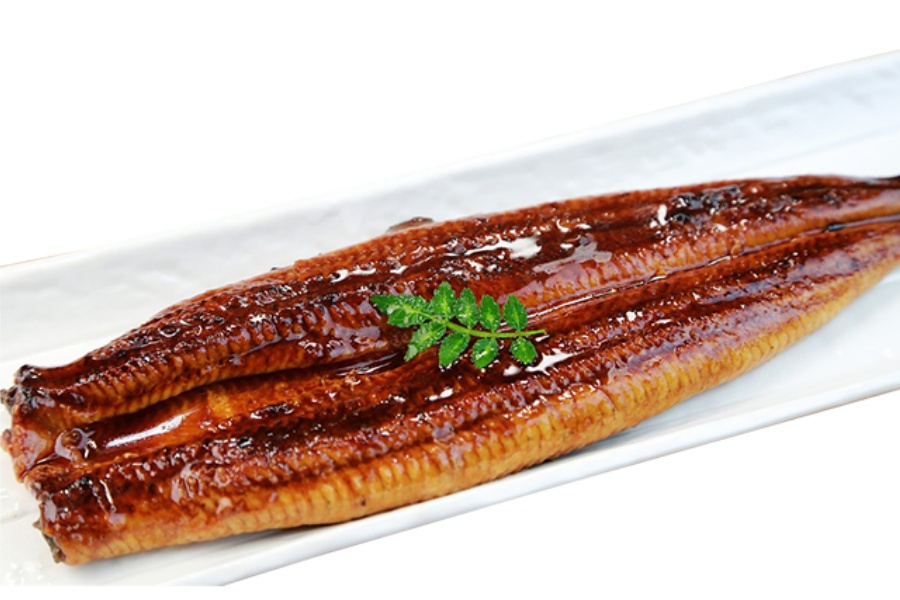
Freshwater eel (unagi) carries a toxin in its blood called ichthyotoxin. In raw form, this substance can cause muscle cramps, nausea, and in severe cases, more serious reactions. The toxin is destroyed by heat, which is why every traditional Japanese preparation of unagi — from kabayaki to shirayaki (grilled without sauce) — involves thorough cooking.
This is different from most fish used for sashimi. Tuna, salmon, and yellowtail are commonly served raw because their flesh does not carry the same blood-borne toxin. Raw unagi would be unsafe. No reputable sushi restaurant offers it, and food safety regulations in Japan and most other countries prohibit serving raw freshwater eel.
The cooking method matters. Grilling at high temperature breaks down the toxin completely. Steaming, which is used in the Kanto-style preparation before grilling, also eliminates it. Either way, the eel that reaches your plate has been fully cooked at every step of the process.
Saltwater conger eel, known as anago, is sometimes confused with unagi. Anago appears in sushi restaurants as a cooked topping, usually simmered in a sweet-savory broth and lightly grilled. Like unagi, anago is never served raw.
The texture of anago is softer and more delicate than unagi, and its flavor is lighter. When people ask about raw eel options, they may be thinking of anago — but even anago goes through a cooking process before it reaches the sushi counter. The simmering broth, called nitsume, adds a subtle sweetness that pairs well with the fish's tender texture.
For buyers sourcing eel for restaurants, both unagi kabayaki and anago products arrive pre-cooked or ready to cook. The supplier handles the safety-critical cooking step, and the restaurant only needs to reheat and portion the fillets.
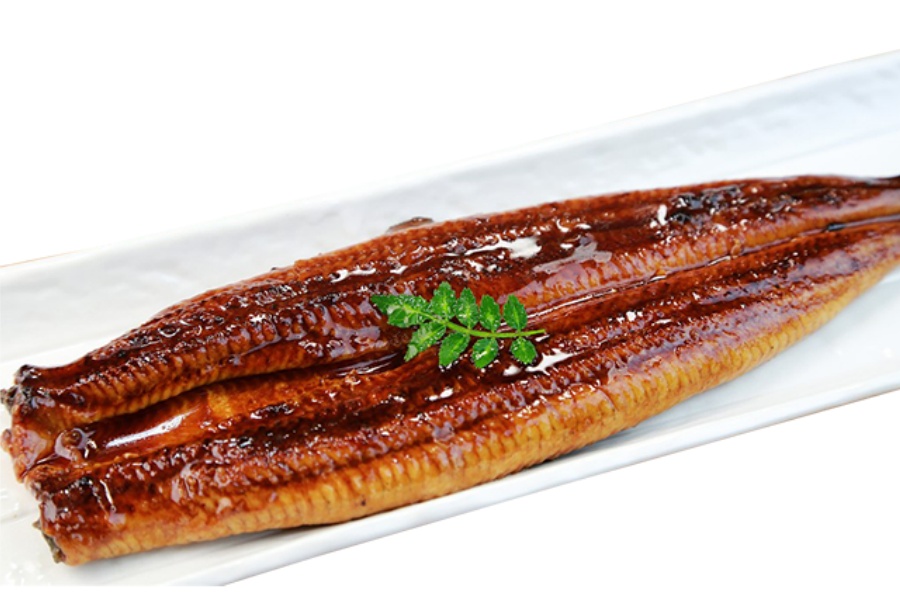
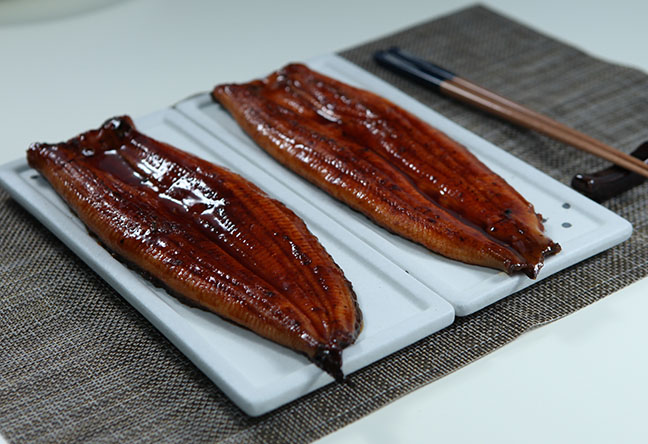
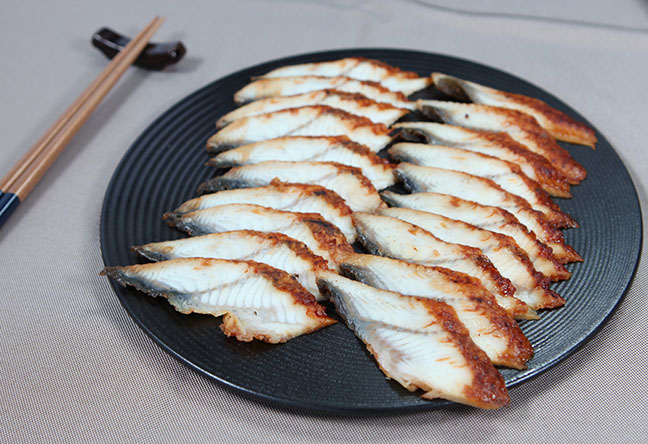
Occasionally, a menu outside Japan may list something called eel sashimi. In almost every case, this is a misnomer. What you receive is cooked, chilled kabayaki sliced thinly and arranged like sashimi. It may look like raw fish on the plate, but it has been grilled and cooled before slicing.
This naming can confuse diners who assume all sashimi is raw. If you see such a dish on a menu, it is worth asking the staff whether the eel has been cooked. The answer will be yes — because serving raw freshwater eel would be a health-code violation in most jurisdictions, including the United States, the European Union, and Japan itself.
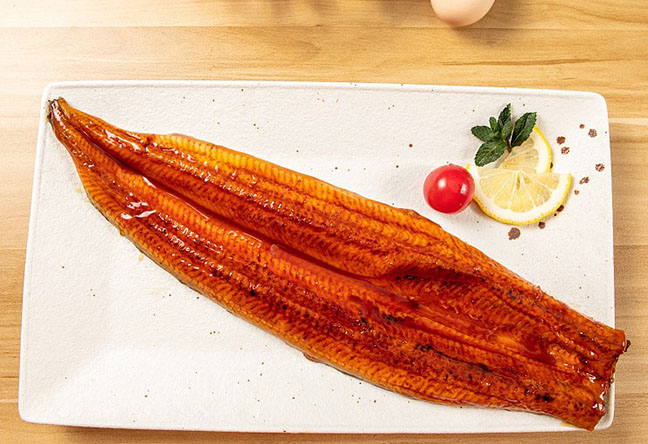
The confusion highlights why understanding the preparation methods matters. The eel sauce and grilling technique are what define the dish, not the raw-fish aesthetic. Kabayaki is always grilled with tare; shirayaki is grilled without it. Both are fully cooked.
No. Raw freshwater eel is not safe for human consumption. The ichthyotoxin in the blood is the primary reason. Even if the eel is extremely fresh and handled under pristine conditions, the toxin remains unless the flesh is heated to a sufficient temperature for a sufficient duration.
This sets eel apart from nearly every other fish used in sushi. Tuna and salmon can be served raw if they meet parasite-destruction freezing standards — typically minus 20 degrees Celsius for at least 24 hours, or minus 35 degrees for 15 hours, depending on the jurisdiction. Eel cannot benefit from this approach because the hazard is a toxin, not a parasite. The only safe way to eat eel — whether in sushi, as a rice bowl, or in any preparation — is after it has been cooked thoroughly.
The standard preparation is kabayaki: the eel is filleted, skewered, grilled over charcoal, brushed with tare sauce, grilled again, and brushed once more. This multi-step process builds flavor while ensuring the flesh is fully cooked. For eel recipes that use broth or soup, the eel is likewise cooked before or during simmering.
In the Kanto region around Tokyo, an extra steaming step is added between the first and second grilling. This steaming tenderizes the flesh and removes excess fat before the final grill sets the glaze. The Kansai region around Osaka skips the steaming step, producing a firmer, more charred exterior. Some restaurants also serve kabayaki sauce on the side so diners can adjust the sweetness to their taste.
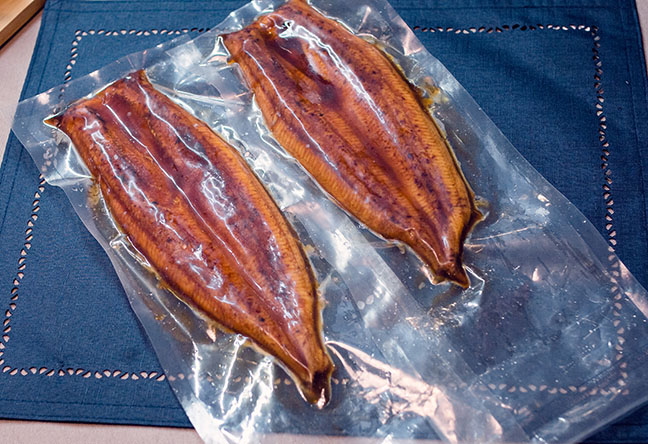
For frozen kabayaki imported by restaurants, the fillets arrive pre-cooked and vacuum-sealed. The kitchen reheats them by grill, oven, or microwave, then portions them for nigiri, rolls, or rice bowls. This format ensures consistent quality and food safety, since the critical cooking step has already been completed under controlled conditions.
No. Freshwater eel contains a blood toxin that is destroyed only by cooking. Raw eel would be unsafe and is never served in Japanese cuisine.
No. Freshness does not remove the toxin. The ichthyotoxin in eel blood is heat-sensitive, so cooking — not freshness — is what makes eel safe to eat.
If a menu lists such a dish, it is almost certainly cooked kabayaki that has been chilled and sliced to resemble sashimi. It is not raw. Ask the restaurant to confirm if you are unsure.
All eel served in sushi restaurants has been cooked, whether as kabayaki, shirayaki, or simmered anago. The difference is only in preparation style and sauce — raw eel is never served.
Eel is one of the few sushi ingredients that must always be cooked — and the kabayaki tradition turns that requirement into a strength. The myth of eel sashimi persists on some menus, but understanding why raw eel is unsafe helps diners make informed choices. Eelpro Co., LTD supplies frozen unagi kabayaki, eel sauce, and freshwater eels to restaurants, distributors, and importers worldwide. Contact us to discuss product specifications and sourcing for your market.



 WhatsApp
 sales@chinaeels.com
 +8619937922411