





The eel health benefits go well beyond what most diners expect from a sushi topping. Grilled unagi packs high-quality protein, omega-3 fatty acids, and fat-soluble vitamins into each serving. Japanese families have eaten it for centuries, especially during the summer Day of the Ox tradition, to restore energy in hot weather.
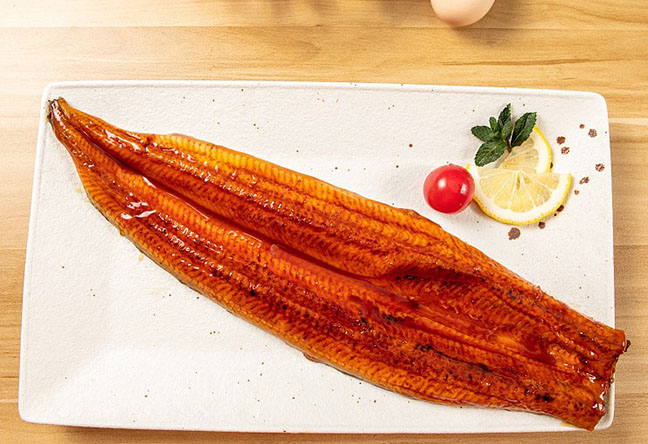
A 100-gram serving of grilled unagi delivers roughly 230 calories, 23 grams of protein, and about 12 grams of fat. Much of that fat is unsaturated. The same portion supplies meaningful amounts of vitamin A, vitamin E, and several B vitamins, particularly B12. These numbers place unagi among the more nutrient-dense seafood options on a per-calorie basis.
For comparison, the same weight of salmon — often cited for its omega-3 content — provides about 208 calories and 20 grams of protein. Grilled eel comes with slightly higher calories, but the trade-off is a richer concentration of vitamins A and E, which salmon contains in smaller amounts.
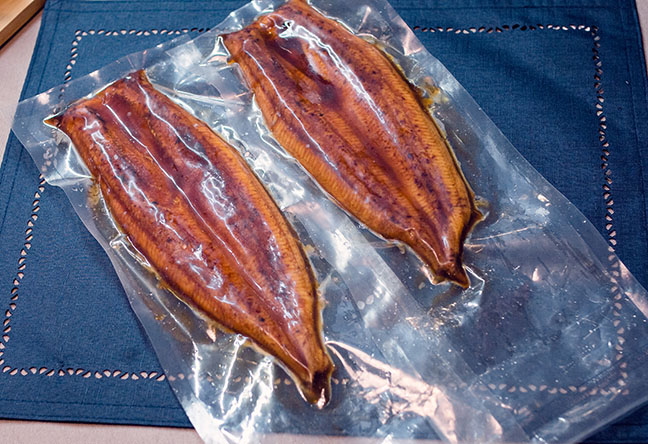
Importers and restaurant buyers can source ready-to-cook frozen unagi kabayaki that retains these nutrients after reheating. Proper flash-freezing at minus 30 degrees Celsius preserves the protein and fat-soluble vitamin content effectively. The fillets then travel at minus 18 degrees, maintaining quality until they reach the kitchen.
Unagi contains both EPA (eicosapentaenoic acid) and DHA (docosahexaenoic acid), the two omega-3 fatty acids most strongly linked to cardiovascular health. Regular intake of EPA and DHA is associated with lower triglyceride levels and reduced risk of irregular heartbeat in large-scale dietary studies.
A single serving of grilled eel can provide roughly 1.3 to 1.5 grams of combined EPA and DHA. That amount covers a meaningful portion of the daily intake many nutrition organizations recommend for adults. The cardiovascular benefits of eating unagi are therefore comparable to those of salmon or mackerel, though the fat profile differs slightly in favor of monounsaturated fats.
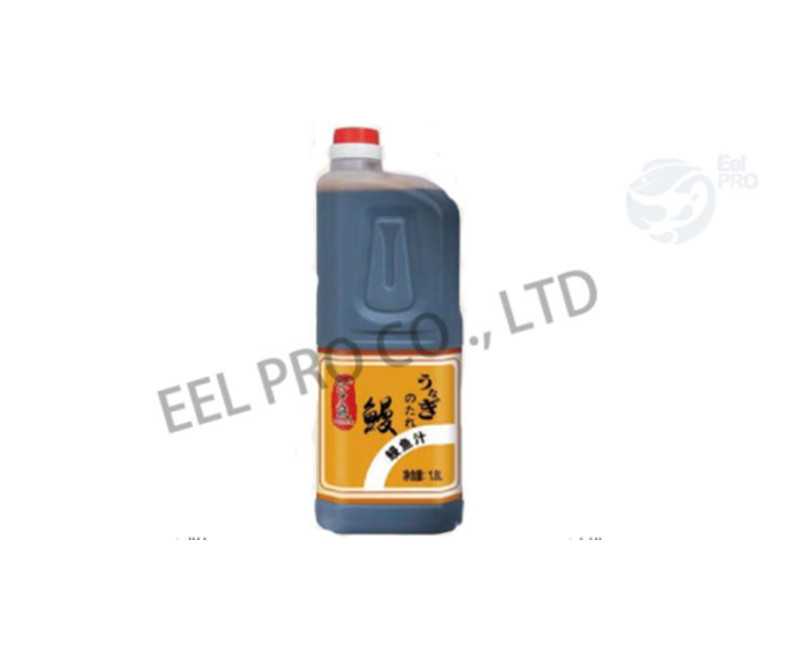
It is worth noting that the eel sauce brushed on kabayaki adds sugar and sodium. Diners watching their intake may ask for the sauce on the side or use less during home preparation. A lighter coating of tare still delivers the characteristic glaze and aroma without adding excess calories.
Grilled eel is one of the better animal-source foods for vitamin A. A 100-gram serving can provide well over 1,000 micrograms of retinol — far more than most fish and comparable to beef liver. Vitamin A supports vision in low light, maintains skin and mucous membranes, and contributes to normal immune function.
Unagi is also a solid source of vitamin E, a fat-soluble antioxidant. A single serving can provide about 4 milligrams of alpha-tocopherol, which is roughly a third of the daily reference intake for adults. Vitamin E helps protect cell membranes from oxidative damage and works alongside selenium to support thyroid function. These properties are part of what makes the nutrition profile of eel appealing for health-conscious diners.
A serving of eel supplies several times the daily reference intake of vitamin B12, which the body needs for nerve function and red blood cell formation. A 100-gram portion of grilled unagi can contain over 3 micrograms of B12, more than most shellfish and far more than plant-based foods. Eel also contains zinc, iron, calcium, and potassium, though in smaller amounts than the headline vitamins.
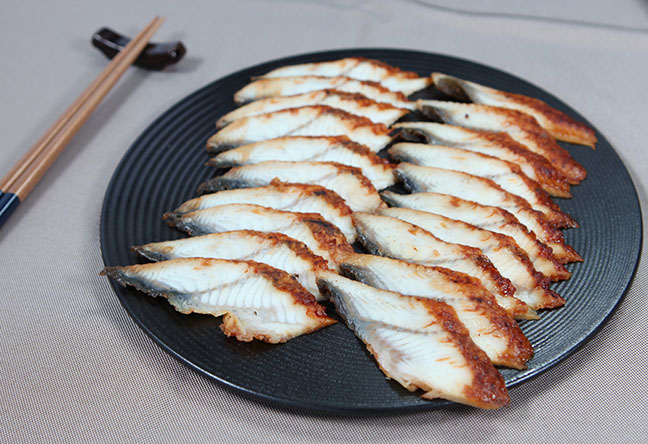
One fillet of kabayaki (about 100 to 120 grams) is a reasonable single serving. Eating unagi once or twice a week fits within most balanced diets without excessive calorie intake. The eel health benefits are best realized as part of a varied seafood rotation rather than from eating eel every day. Rotating between unagi, salmon, mackerel, and sardines gives diners a range of nutrients while avoiding over-reliance on a single species.
For restaurant operators, pairing kabayaki with vegetables and rice rather than heavy sauces keeps the dish balanced. A serving of unagi over brown rice with steamed greens and miso soup creates a well-rounded meal. You can also explore eel recipes that use lighter broths to preserve the nutritional profile.
People with seafood allergies should avoid eel entirely. Those monitoring sodium or sugar intake should account for the tare glaze. Pregnant women can generally eat cooked eel in moderation — it is fully cooked as kabayaki, unlike some raw fish sushi — but should follow their physician's guidance regarding portion frequency.
Heavy-metal concerns for freshwater eel are lower than for large predatory fish like swordfish or king mackerel. Farm-raised unagi from reputable suppliers is routinely tested for mercury and other contaminants. Buyers can request kabayaki sauce and product specification sheets to verify sourcing standards, certifications, and test results before purchasing.
Yes. Grilled eel is high in protein, omega-3 fatty acids, and vitamins A and E. It also provides B12, zinc, and iron. The nutritional value of unagi makes it a solid seafood choice when eaten in reasonable portions.
The primary benefits come from omega-3 fatty acids (EPA and DHA) for heart health, vitamin A for vision and immunity, and vitamin E as an antioxidant. The high protein content also supports muscle maintenance.
Yes. Flash-frozen kabayaki retains the protein, omega-3, and fat-soluble vitamin content of fresh eel. Reheating by grill or oven preserves more nutrients than prolonged steaming.
Once or twice a week is a reasonable frequency for most adults. This lets you gain the nutritional benefits without over-consuming calories from the sauce or fat.
Grilled unagi is a practical, nutrient-rich seafood that brings protein, omega-3, and vitamins to the table. The eel health benefits — from heart-supporting omega-3s to immune-boosting vitamin A — make it a smart menu choice for health-conscious diners. Eelpro Co., LTD supplies frozen unagi kabayaki, eel sauce, and freshwater eels to restaurants, distributors, and importers worldwide. Contact us to discuss product specifications and sourcing for your market.



 WhatsApp
 sales@chinaeels.com
 +8619937922411