





Unagi sushi pairs grilled freshwater eel with seasoned rice and a sweet-savory glaze. It appears as nigiri, rice bowls, and sushi rolls on Japanese menus worldwide. For restaurants and food distributors, it is also a convenient menu option: the eel arrives fully cooked and portioned, requiring only a brief reheating step before service.
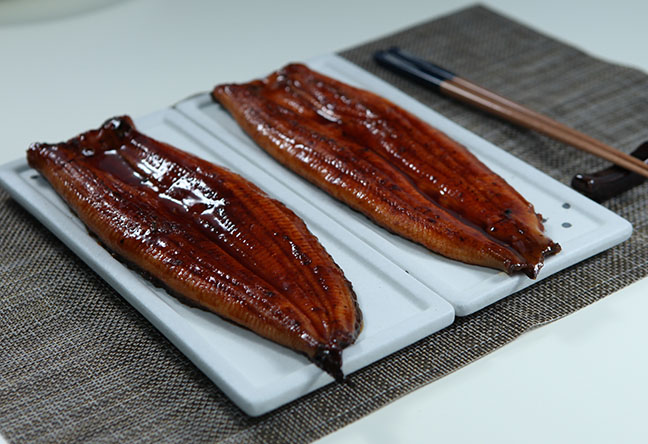
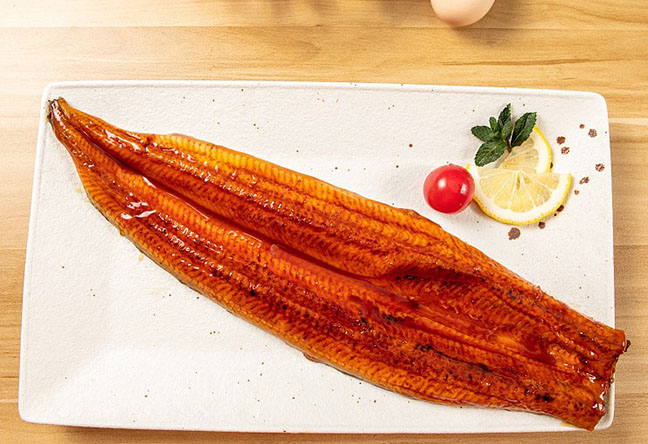
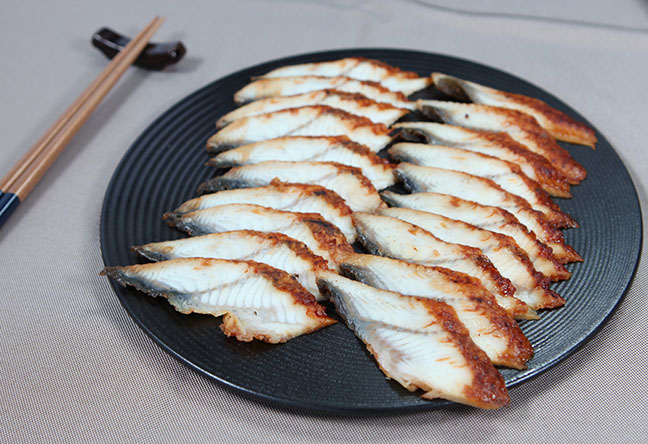
Unagi sushi is Japanese sushi made with cooked freshwater eel. The eel is most often prepared in the kabayaki style: filleted, brushed with a sweet soy-based sauce, grilled, then brushed again as it cooks. The result is tender flesh, a glossy finish, and a gently smoky flavor.
Unlike the raw fish found in some sushi, unagi is cooked before it reaches the plate. It should also not be confused with anago, a saltwater conger eel. Anago is typically softer and served with a lighter sauce, while unagi has a richer taste and more noticeable fat.
In a sushi restaurant, unagi may be served in several forms:
Warm, glazed eel against lightly vinegared rice is what makes the dish so satisfying. Cucumber brings crunch, while toasted sesame, scallion, or sansho pepper helps balance the eel’s richness.
The eel is the star of the roll. Quality frozen kabayaki should have clean fillets, an even cut, and an appealing grilled aroma after reheating. The flesh should stay tender and hold together neatly when sliced.
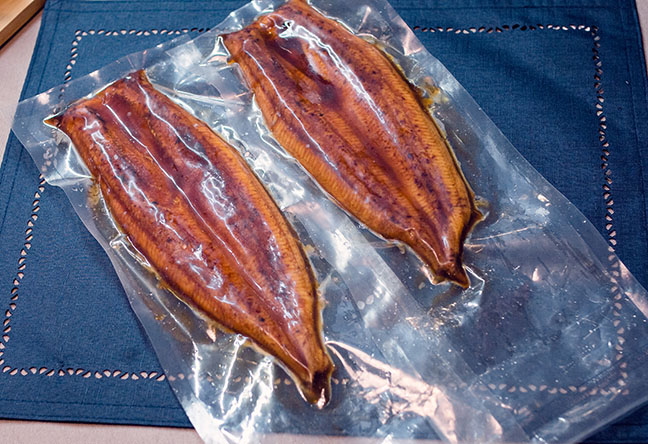
For foodservice use, frozen unagi kabayaki provides a ready-to-portion format. Depending on the product specification, fillets can be reheated by steaming, grilling, baking, or microwave before being placed on rice or rolled in nori.
Sushi rice is short- or medium-grain rice seasoned with rice vinegar, sugar, and salt. Its light stickiness allows the rice to hold its shape without becoming heavy or dense. Let the rice cool until it is warm or at room temperature before rolling. Rice that is too hot will soften the nori quickly.
Nori adds a roasted, savory flavor and holds the roll together. Cucumber is the traditional pairing in unakyu maki. Avocado, pickled radish, shiso leaves, and sesame also work well on modern menus. Keep the fillings in proportion, since too much cucumber or sauce can overpower the eel.
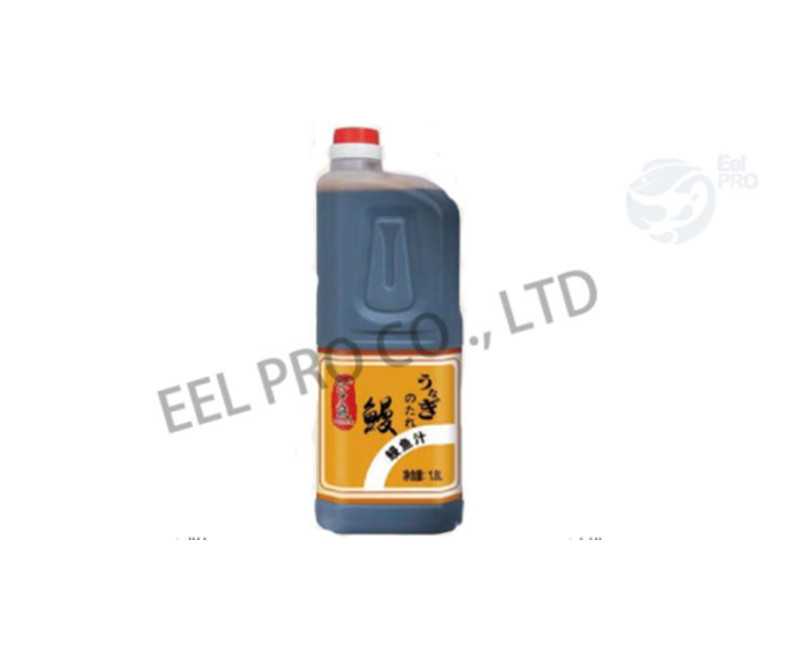
Unagi tare, also known as eel sauce, is commonly made with soy sauce, mirin, sugar, and sometimes sake. It is reduced into a thick glaze. Restaurants may brush it over the eel, drizzle it across the rice, or serve a small amount on the side. For a consistent finish in the kitchen, review our eel sauce for unagi product information.
For anyone wondering how to prepare it, the process is more straightforward than handling raw fish. Most of the work comes down to properly seasoning the rice and reheating the kabayaki with care.
For nigiri, shape a small oval of rice, lay a narrow strip of kabayaki over it, and brush with tare. Some chefs add a thin band of nori to secure the eel. Serve soon after assembly so the eel remains pleasantly warm.
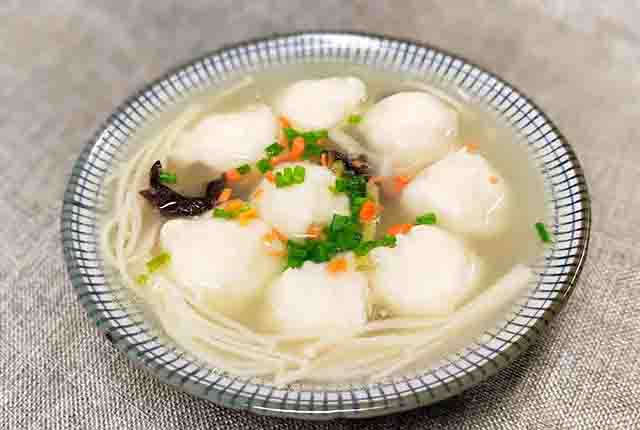
For menus that include broader Japanese comfort-food choices, the same kabayaki works well in rice bowls, bento boxes, and eel noodle soup recipes. That flexibility gives distributors and restaurant operators several ways to use a frozen eel format.
The term “eel roll” can refer to any sushi roll that contains eel. An unagi roll is more specific: it generally features freshwater eel prepared as unagi, often paired with cucumber and a sweet soy-based sauce.
When comparing the two, the terms overlap but are not interchangeable. The dish can mean nigiri, a rice bowl, or a roll. Eel roll refers to the rolled format and may be used loosely on English-language menus. For a more precise menu description, identify both the preparation and filling, such as “kabayaki unagi and cucumber roll.”
| Menu term | Typical meaning |
|---|---|
| Unagi (broad) | Cooked freshwater eel served with sushi rice in various forms. |
| Unagi nigiri | Kabayaki placed on top of a compact rice portion. |
| Unagi roll | A sushi roll containing grilled freshwater eel. |
| Unakyu maki | A roll made with unagi and cucumber. |
Because unagi is naturally rich, portions do not need to be large. A six-piece roll works well as an appetizer, while a larger serving suits a main course or bento. Pair it with miso soup, edamame, pickled ginger, or a simple cucumber salad.
Maintain a consistent flavor profile by using the same tare for reheating and final plating. Our article on kabayaki sauce explains how the glaze influences aroma, color, and finished flavor.
Keep frozen product frozen until it is needed, then thaw it according to your food-safety procedures. After thawing or reheating, follow the supplier’s handling instructions and local regulations. Use clean utensils, separate raw and cooked ingredients, and record opening dates on foodservice packs.
For importers, important purchasing details include fillet size, net weight, glazing percentage, packaging format, storage temperature, shelf life, and available certifications. These specifications make portion planning easier and help keep menu costs under control.
It is Japanese sushi made with cooked freshwater eel, usually grilled in the kabayaki style and coated with a sweet-savory eel sauce. This staple of japanese eel cuisine can be served as nigiri, in a sushi roll, or over rice.
Cook and season sushi rice, reheat prepared kabayaki, and combine it with nori and fillings such as cucumber. Roll the ingredients, slice the roll, and finish with eel sauce. For nigiri, place a piece of warm eel over shaped sushi rice.
It is a broad term for sushi featuring cooked freshwater eel. An eel roll is one specific format. An unakyu maki, for example, is an eel roll made with unagi and cucumber.
Traditional unagi is cooked before serving. Freshwater eel should not be eaten raw. Kabayaki is typically grilled or otherwise cooked, then reheated before it is used in sushi.
Unagi sushi adds a cooked seafood option to the menu, with familiar ingredients, clear preparation steps, and flexible portion sizes. Eelpro Co., LTD supplies frozen unagi kabayaki, eel sauce, freshwater eels, and other frozen seafood for overseas restaurants, importers, and distributors. Contact us to discuss product specifications and sourcing for your market.


 WhatsApp
 sales@chinaeels.com
 +8619937922411