





Eel nutrition brings together high-quality protein, vitamin A, B vitamins and omega-3 fatty acids in a single serving. For restaurants, distributors and food importers, freshwater eel is more than a classic Japanese ingredient. It is also a versatile menu item with recognizable nutritional value.
Freshwater eel, called unagi in Japanese cuisine, is often grilled with sweet-savory tare sauce and served over rice. A 100-gram serving of grilled unagi provides about 230 calories and 23 grams of protein. Actual values vary by eel species, trimming, cooking method and the amount of sauce used.
When reviewing eel nutrition facts, calories are only part of the picture. Eel supplies protein, fats that include omega-3 fatty acids, and several vitamins that support normal body functions.
| Nutrient or feature | What it means for a 100 g grilled serving |
|---|---|
| Energy | About 230 kcal |
| Protein | About 23 g |
| Fat | Varies by eel, trimming and cooking method |
| Key vitamins | Vitamin A and several B vitamins |
| Other nutrients | Omega-3 fatty acids and minerals such as phosphorus and selenium |
This table is a practical guide for menu planning, not a substitute for a laboratory nutrition panel. Grilled eel sold with sauce will have a different calorie and sodium profile than plain cooked eel. If you package retail portions or supply foodservice customers, test the finished product and review labeling requirements in the destination market.
How much protein is in eel? A 100-gram serving of grilled freshwater eel contains about 23 grams of protein. That is enough to make a rice bowl, sushi set or noodle dish feel satisfying without requiring an oversized fish portion.
Eel protein contains amino acids needed to build and maintain body tissues. Protein can also help diners feel full after a meal. Final protein values depend on whether the product is measured raw, cooked, or prepared with sauce and other ingredients.
Unagi nutrition depends on both the fish and the preparation method. Freshwater eel has a naturally rich texture because it contains more fat than many lean white fish. That fat carries flavor well, making grilled unagi a natural match for plain rice, sushi rice and noodles.
Serving size matters on a restaurant menu. A 100-gram portion of grilled eel provides about 230 kcal and 23 grams of protein, while a larger rice bowl adds calories from rice and sauce. A small sushi topping contains less eel, so it also contributes less protein.
The preparation method can change the nutritional profile:
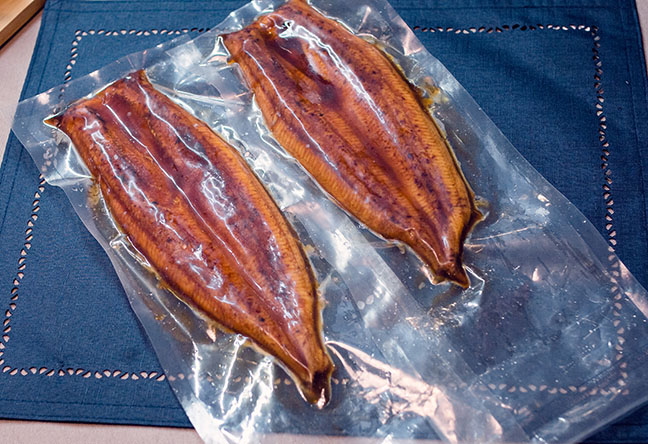
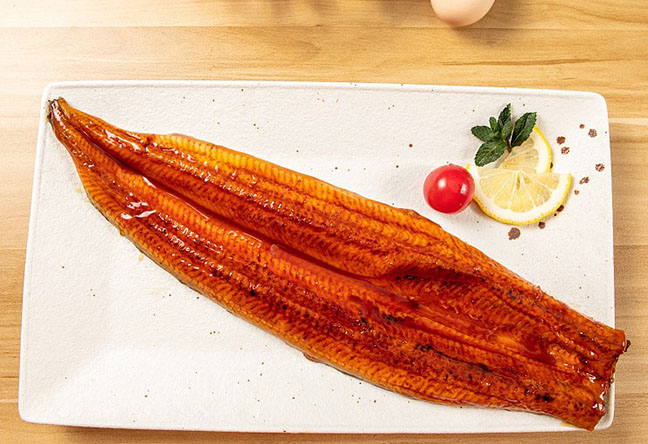
Our unagi kabayaki is made for efficient foodservice preparation. Buyers can portion it for rice bowls, sushi, bento boxes and Japanese-style set meals. Its format also helps kitchens keep serving sizes consistent during busy service.
Eel vitamins include vitamin A, which is associated with normal vision, immune function and skin health. Levels can vary considerably by species, origin and preparation. Because vitamin A is fat-soluble, eel is best enjoyed as part of a varied diet rather than as a reason to add extra supplements.
Eel also provides several B vitamins. Vitamin B12 supports normal red blood cell formation and nervous system function. Other B vitamins help the body release energy from food and support normal cell processes. Exact levels depend on the product and cooking conditions, so certified nutrition analysis should be used for packaging claims.
Freshwater eel contains omega-3 fatty acids, including the long-chain fats EPA and DHA. These seafood-derived fats are linked with normal heart and brain functions as part of a balanced eating pattern. Eel is not the only source of omega-3s, but its rich flavor and tender texture make it an appealing choice for seafood-loving customers.
Eel can also provide minerals such as phosphorus and selenium. Phosphorus is involved in bones, teeth and energy metabolism. Selenium helps protect cells from oxidative damage and supports thyroid function. Before using these nutrients in commercial claims, confirm their levels in the finished serving through product testing.
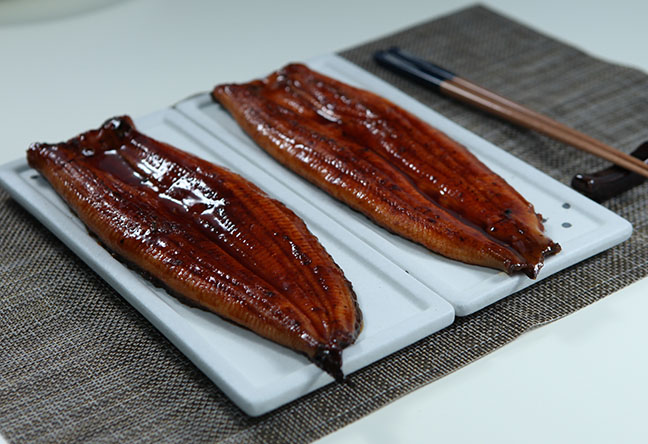
Freshwater eel nutrition makes it a useful protein-rich ingredient for several menu formats. Japanese restaurants often serve unagi over steamed rice with sansho pepper, while sushi shops feature it in nigiri, rolls and hand rolls. It also pairs well with egg, cucumber, green onion and seasonal vegetables.
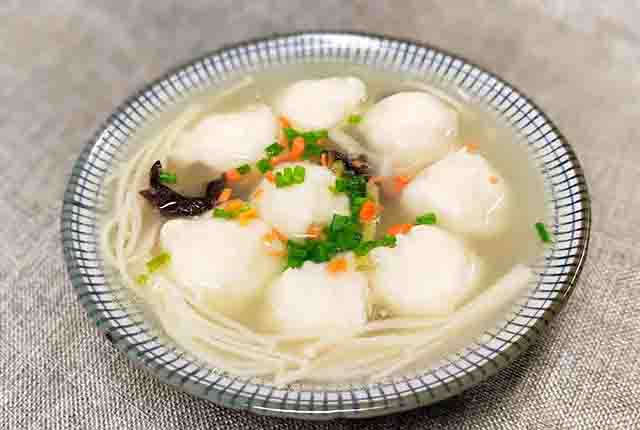
For a lighter meal, serve a moderate eel portion with leafy vegetables and a smaller serving of rice. For a more substantial option, pair kabayaki with rice, miso soup and pickles. Eel also adds depth to noodle dishes; our eel recipes include ideas for using cooked eel in a warming soup.
Sauce deserves careful attention. A thick coating of tare adds sweetness and salt, making the finished meal more calorie-dense than plain grilled fish. We supply eel sauce for buyers who want to control the amount used during finishing, plating or table service. Brush on a light layer during grilling, then offer extra sauce separately.
Our experience with overseas buyers suggests that portion control and clear menu descriptions are often more useful than broad health claims. A menu can list the serving size, identify the fish as freshwater eel and note the cooking method. That gives customers practical details without overstating what one food can do.
Is eel healthy? For most people, eel can fit into a balanced diet. It supplies protein, vitamin A, B vitamins and omega-3 fatty acids, though it is also a relatively rich fish. The best choice depends on portion size, the overall meal, individual dietary needs and how much sauce is used.
Customers managing sodium, calories or specific medical conditions may need to choose portions and side dishes carefully. People with seafood allergies should avoid eel, and food businesses must prevent cross-contact in line with local food safety procedures. Eel should be cooked thoroughly and handled according to the storage conditions on the product label.
For importers and distributors, product specifications matter just as much as nutrition. Confirm the scientific name, country of origin, frozen storage requirements, packaging format, net weight and cooking instructions. A reliable nutrition panel should refer to the product as sold or as prepared, depending on local labeling requirements.
For a kabayaki sauce pairing guide, see our article on kabayaki sauce. It explains how sauce influences flavor, glazing and final presentation.
The main eel nutrition facts are that 100 grams of grilled unagi provides about 230 kcal and 23 grams of protein. Eel also contains vitamin A, B vitamins, omega-3 fatty acids and minerals. Values change with species, cooking method and sauce.
How much protein is in eel? A 100-gram serving of grilled freshwater eel provides about 23 grams of protein. Raw, cooked and sauced products may show different values, so commercial labels should use data for the exact finished product.
Is eel healthy compared with other fish? Eel offers useful protein, vitamins and omega-3 fats, but it has a richer fat profile than many lean fish. It can be a healthy choice when served in a suitable portion and included in a varied diet.
Yes. Eel sauce adds sugar and sodium, and the amount used changes the calories of the finished dish. Serving sauce on the side or measuring it during preparation can help kitchens keep portions consistent.
Eel nutrition gives restaurants and food distributors a straightforward story: a flavorful seafood ingredient with about 23 grams of protein per 100 grams of grilled unagi, plus vitamin A, B vitamins and omega-3 fatty acids. Eelpro Co., LTD supplies frozen unagi kabayaki, eel sauce, frozen seafood and freshwater eels for overseas buyers. Contact us to discuss specifications, packaging and products for your market.



 WhatsApp
 sales@chinaeels.com
 +8619937922411