





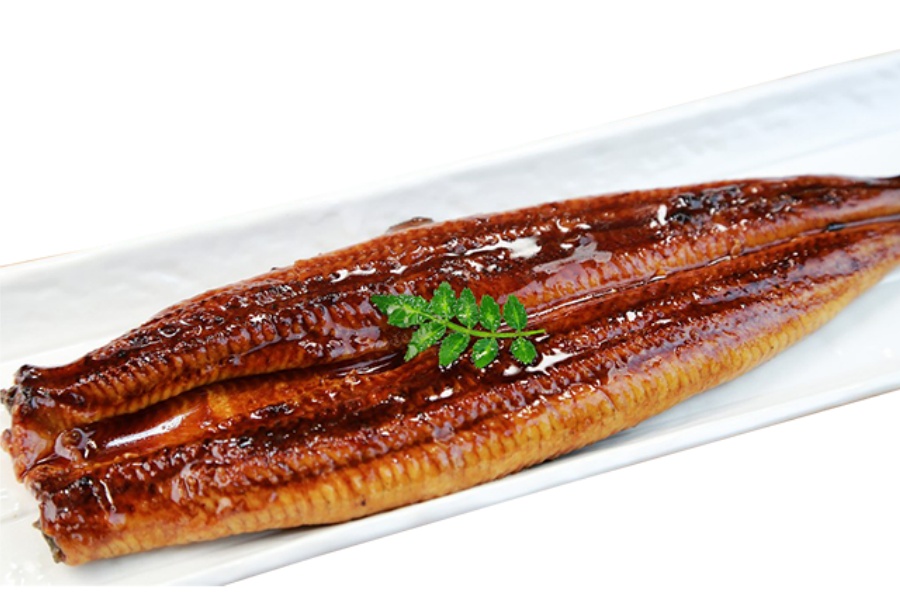
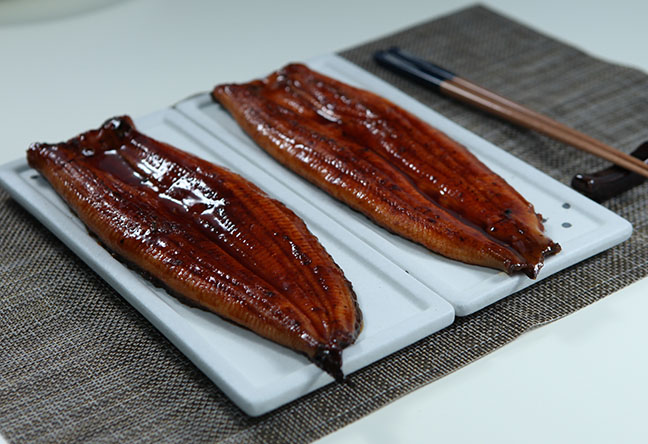
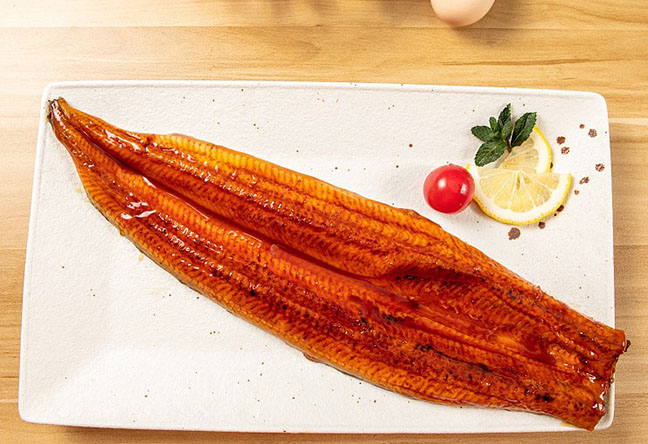
If you've eaten at a Japanese restaurant, chances are you've had unagi sauce without knowing it. It's that dark, glossy, sweet-savory glaze on your unagi don, eel roll, or kabayaki. For B2B buyers sourcing eel products, understanding what goes into this sauce — and how to choose the right one — matters more than you'd think.
In our experience supplying frozen unagi kabayaki to restaurants across several continents, the sauce question comes up in nearly every sourcing conversation. So let's break it down properly.
Unagi sauce is a thick, syrupy Japanese condiment made by reducing soy sauce, mirin, sake, and sugar. It's the glaze applied to grilled freshwater eel (unagi) during the cooking process. In Japanese, it's called tare (たれ) — literally "dipping sauce" or "glaze."
Here's the part that trips people up: unagi sauce contains no eel. The name comes from what it's used on, not what it's made from. The four base ingredients are pantry staples. The magic is in the reduction and the ratios.
Some people also call it eel sauce or nitsume. These terms overlap, but there are differences worth knowing — we'll get to those.
A traditional unagi sauce has four ingredients:
A typical starting ratio is 4:2:1:2 (soy:mirin:sake:sugar by volume). But every restaurant and tare house has its own version. Some add dashi for umami depth. A few include eel bones or trimmings simmered into the sauce — but the classic tare is just the four basics.
The process is simple: combine everything in a pot, simmer gently for 15-25 minutes, and reduce until the sauce coats a spoon. The sugars caramelize slightly, deepening the color from light brown to dark amber. Too much reduction and it turns bitter. Too little and it won't cling to the eel.
One detail that separates commercial producers from home cooks: in professional unagi kitchens, tare is never fully consumed. A portion of each day's sauce is saved and folded into the next batch. This tsukai-tare tradition means a restaurant's sauce builds complexity over months or years. Some shops in Tokyo have tare that's been continuously refreshed for decades. You can't fake that depth in a single batch.
These four terms cause endless confusion. Here's the practical breakdown:
For practical sourcing: if a supplier lists "eel sauce" or "unagi sauce" on their product, it's tare. The quality varies based on ingredient ratio and whether it's a fresh reduction or a mass-produced shortcut.
The sauce serves three roles in Japanese eel cuisine:
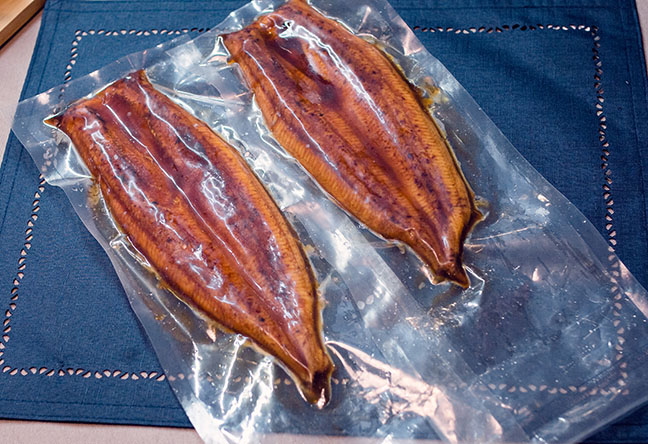
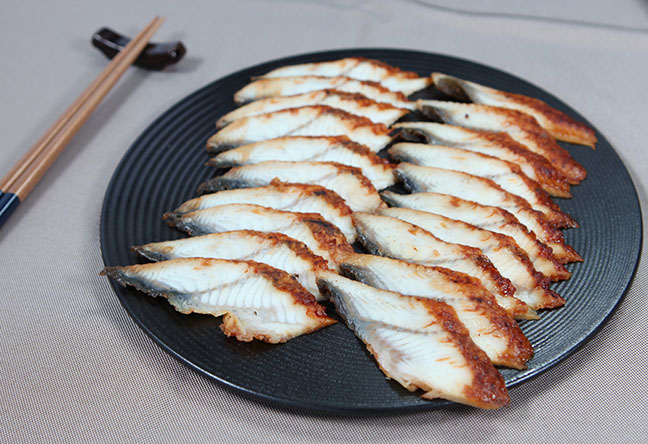
For restaurant kitchens working with frozen unagi kabayaki, the sauce often comes pre-applied. But many chefs prefer to buy unsauced fillets and apply their own tare — it gives them control over flavor and a chance to build a house signature.
If you're sourcing unagi sauce for a restaurant chain, distribution business, or foodservice operation, three things matter:
1. Ingredient quality. A tare made with hon-mirin and koikuchi soy sauce will taste noticeably better than one made with mirin-style seasoning and generic soy. Ask suppliers for an ingredient list. If "mirin-style seasoning" appears instead of hon-mirin, expect a flatter sauce.
2. Viscosity and consistency. Unagi sauce should be thick enough to coat eel without running off, but fluid enough to brush. Batch-to-batch consistency matters in foodservice — your customers expect the same flavor every visit.
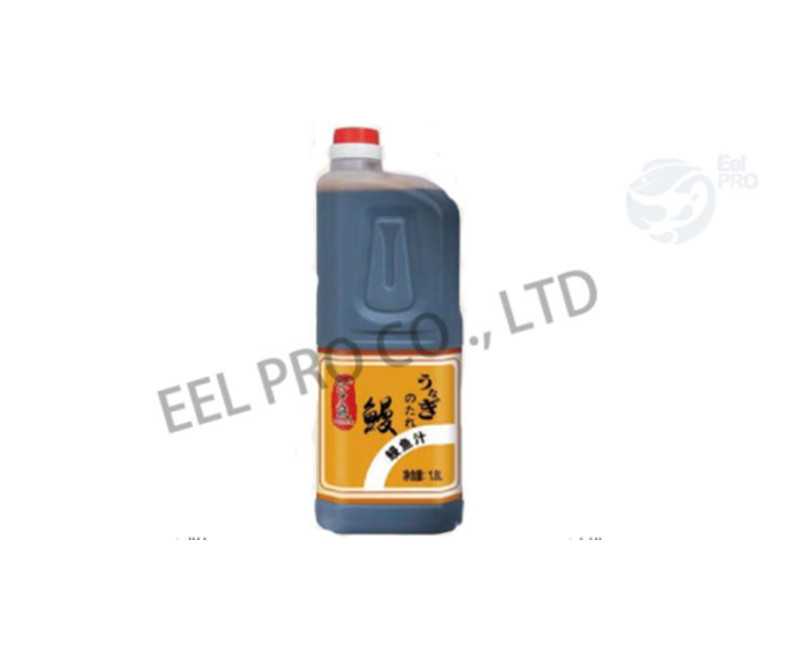
3. Shelf life and storage. Commercial bottled tare lasts 6-12 months unopened at room temperature. Once opened, refrigerate and use within 3-4 weeks. The high sugar and salt content provides natural preservation, but fresh-made sauce from a restaurant supplier may have a shorter shelf life — check the label.
Yes, essentially. "Unagi sauce" and "eel sauce" refer to the same thing — the sweet-savory tare used on Japanese grilled eel. The terms are used interchangeably, though "unagi sauce" is more specific to Japanese cuisine.
No. Despite the name, unagi sauce is made from soy sauce, mirin, sake, and sugar. It contains no eel. The name refers to what it's used on, not what it's made from.
Traditional unagi sauce is vegetarian — it contains no animal products. However, some commercial versions may include dashi (which often contains bonito fish flakes). Check the ingredient list if serving vegetarian customers.
Unagi sauce tastes sweet, salty, and deeply umami — similar to a thick teriyaki sauce but richer and less sweet. The mirin adds a complex sweetness, while the soy sauce provides salt and umami depth.
Unagi sauce is four ingredients, twenty minutes of simmering, and centuries of tradition. It's the reason unagi don tastes like nothing else, and it's one of the simplest ways to elevate frozen eel products from commodity to signature dish.
Whether you're running a sushi kitchen or sourcing ingredients for distribution, getting the tare right is worth the effort. Start with a quality unagi sauce, experiment with your own ratios, and taste the difference for yourself.


 WhatsApp
 sales@chinaeels.com
 +8619937922411