





The right unagi sauce recipe can change the way your restaurant serves eel. Four ingredients, twenty minutes of simmering, and you have something that beats most bottled versions — and costs less. This guide walks through the recipe, the ratios, and the scaling considerations for both home cooks and commercial kitchens.
We've supplied eel sauce and frozen unagi kabayaki to hundreds of kitchens. The question of "should I make my own tare or buy it" comes up constantly. This recipe should help you decide.
For approximately 1 cup (250ml) of finished tare:
That's it. No special equipment, no obscure ingredients. The entire process takes under 30 minutes including cleanup.
The recipe above uses a 4:2:1:2 ratio (soy:mirin:sake:sugar). This is a solid starting point, but every tare house in Japan has its own ratio. Here are three common variations:
Start with the balanced ratio. Make it once, taste it, then adjust. After 3-4 batches, you'll find the ratio that works for your kitchen.
Here's something no bottle will tell you: in professional unagi restaurants, tare is never fully used up. Each day, a portion of the sauce is saved and added to the next batch. This tsukai-tare tradition means the sauce builds complexity over time.
Some famous unagi shops in Tokyo have tare that's been continuously refreshed for 50+ years. The flavor gets darker, deeper, and more layered with each generation. You can start this tradition in your own kitchen:
The used-tare method is why restaurant unagi tastes different from home-cooked eel — even when the ingredients are identical. It's worth trying if you cook unagi regularly.
If you're making tare for a restaurant chain or foodservice operation, the recipe scales linearly — but there are practical considerations:
Batch size. A home recipe makes 250ml. A restaurant batch might be 5-10 liters. The reduction time increases with volume: a 5L batch takes 45-60 minutes to reduce properly, not 20 minutes. Use a wide, shallow pot to maximize surface area for evaporation.
Consistency control. In commercial production, you need the same viscosity every batch. Use a thermometer and a Brix refractometer. Target: 35-42° Brix for brushing consistency, 45-50° Brix for a thicker glaze.
Cost breakdown. Making your own tare at scale costs roughly $2-4 per liter in ingredients. Buying pre-made eel sauce wholesale runs $8-15 per liter. The savings are real — but only if you have the labor to manage consistent production.
Shelf life. Homemade tare keeps 2-3 weeks refrigerated. For longer storage, freeze in portions. Commercial bottled versions use preservatives for 6-12 month shelf life — something to consider if your operation can't use fresh tare quickly.
We've watched a lot of kitchens make tare for the first time. Here are the four most common mistakes:
Unagi sauce isn't just for eel. If you've made a batch and have some left over, try it on:
The sweet-savory profile works on almost any grilled or pan-fried food. Don't let good tare go to waste.
Yes, but the flavor will be noticeably simpler. Sake adds depth that soy and mirin alone can't provide. If you can't use alcohol, substitute 2 tablespoons of water or dashi — the sauce will still be good, just less complex.
Refrigerated in a clean jar, homemade tare keeps for 2-3 weeks. The high sugar and salt content acts as a natural preservative. For longer storage, freeze in small portions for up to 3 months.
Unagi sauce (tare) uses soy, mirin, sake, and sugar. Teriyaki sauce uses similar ingredients but often omits sake and adds garlic, ginger, or sesame. Tare is simpler and specifically designed for eel.
Yes. This recipe scales linearly. For commercial batches, use a Brix refractometer to ensure consistent viscosity (target 35-42° Brix for brushing). Making your own tare costs roughly 40-50% less than buying pre-made at scale.
A good unagi sauce recipe is one of the highest-ROI skills in a Japanese kitchen. Four ingredients, twenty minutes, and you have something that outperforms most commercial bottles. Whether you're cooking at home or running a restaurant, the ability to make your own tare — and potentially build a house version through the used-tare method — is worth the small effort it takes to learn.
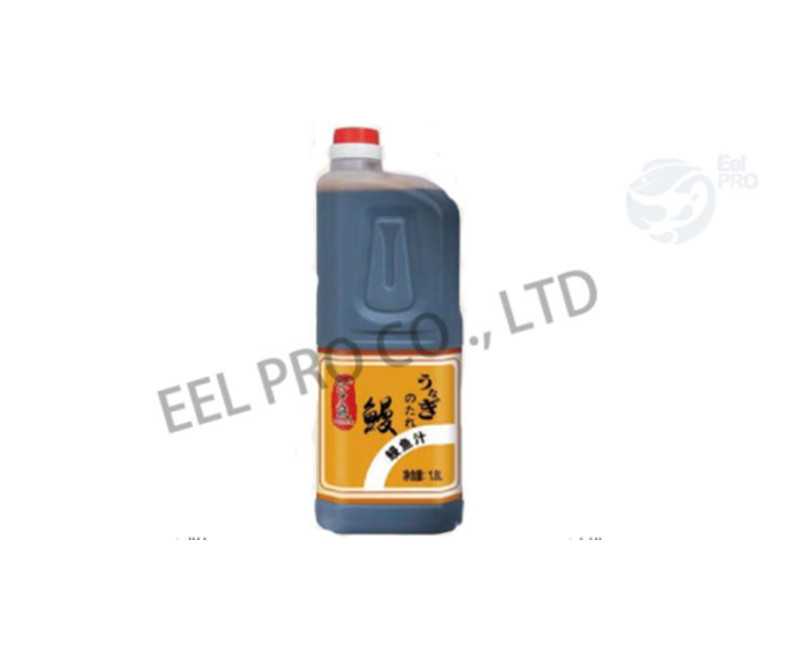
Want to compare homemade tare against a commercial option? Our kabayaki sauce guide breaks down what to look for when buying pre-made eel sauce — and when it's worth making your own.

 WhatsApp
 sales@chinaeels.com
 +8619937922411