




Walk into any traditional Japanese restaurant that serves unagi eel, and you're looking at one of the most culturally significant — and commercially complex — ingredients in Japanese cuisine. Unagi isn't just a fish. It's a centuries-old tradition, a logistical puzzle, and for B2B buyers, a sourcing decision that requires real understanding.
At Eelpro, we supply frozen unagi kabayaki to restaurants and distributors worldwide. After years in this business, we've found that the more our clients understand about unagi, the better their purchasing decisions. So here's the full picture.
Unagi (うなぎ) is the Japanese word for freshwater eel — specifically, the species Anguilla japonica, native to East Asia. It's not the same as anago (saltwater conger eel) or the European eel (Anguilla anguilla). The distinction matters because each species has different flavor, texture, and regulatory status.
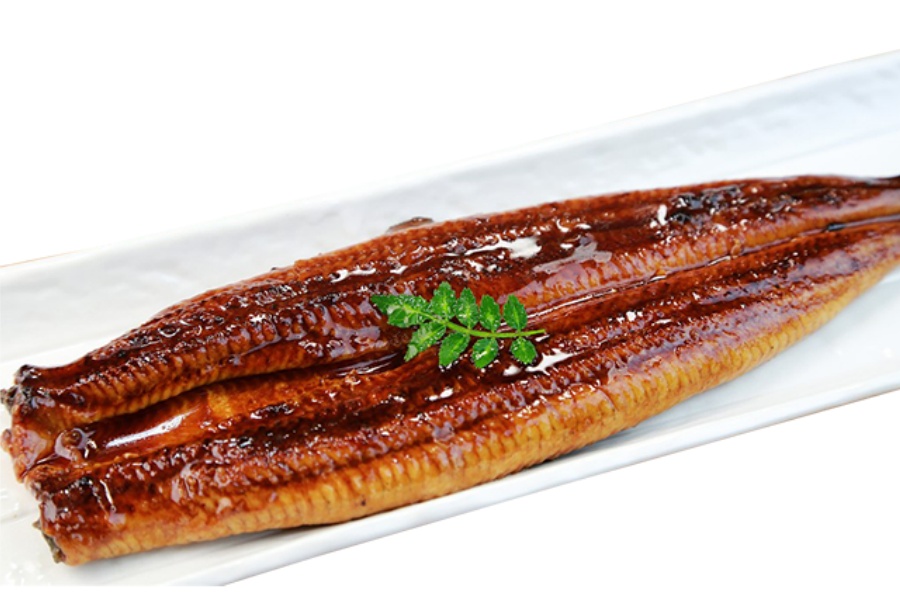
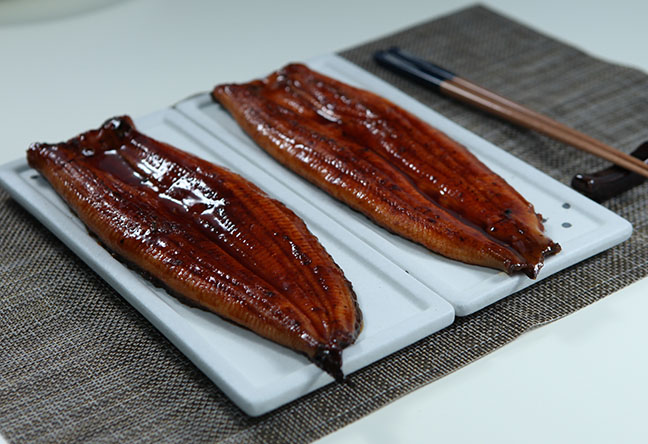
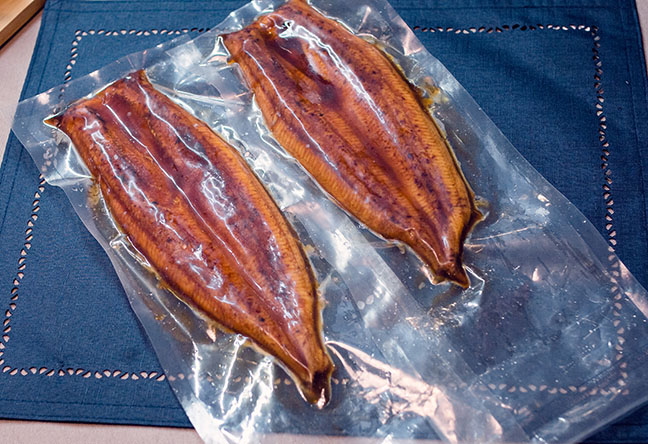
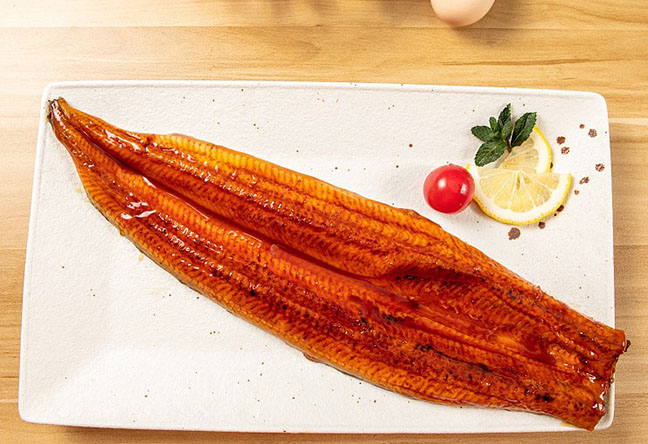
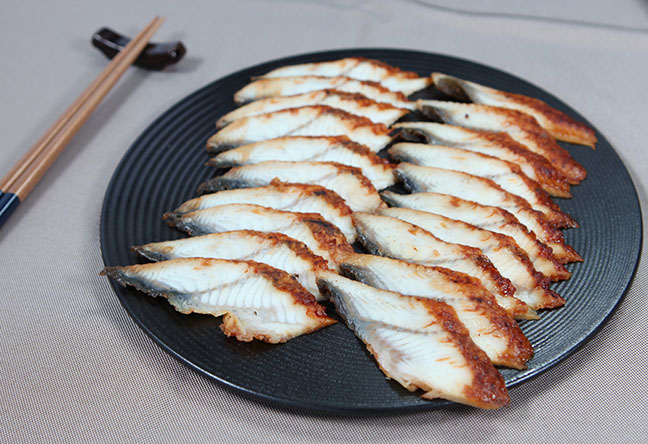
Unagi is almost always eaten cooked, never raw. The classic preparation is kabayaki: the eel is split down the back, deboned, skewered, and grilled over charcoal while being basted repeatedly with tare sauce. The result is a dark, glossy fillet with a caramelized crust and tender, rich flesh underneath.
One 200g frozen kabayaki fillet is a standard restaurant portion — enough for one unagi don bowl.
Here's the part that explains the price tag: Anguilla japonica cannot be bred in captivity from eggs at commercial scale. Every unagi you've ever eaten started life as a glass eel (elver) caught in the wild — in rivers in China, Taiwan, and Japan — and then farmed in aquaculture ponds until market size.
The life cycle goes like this:
This dependency on wild glass eel supply is why unagi prices swing dramatically. A bad elver season in China or Taiwan can push prices up 30-40% across the global market. For B2B buyers, this volatility is the single biggest planning challenge.
These terms get conflated constantly. Here's the practical distinction:
For sourcing decisions, the species question is usually settled: you want Anguilla japonica for authentic Japanese unagi. The real question is whether to buy pre-grilled kabayaki or process raw eel yourself — and for 90% of restaurants outside Japan, frozen kabayaki is the practical answer.
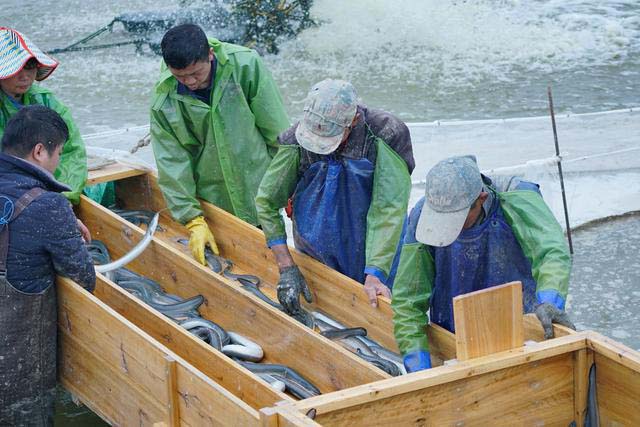
Most of the world's farmed unagi comes from China, which produces roughly 80% of global supply. Taiwan and Japan produce the remainder. The farming process:
Processing for kabayaki is labor-intensive: the eel is pinned through the head, split down the back with a special knife, deboned, skewered, grilled over charcoal for 5-8 minutes, basted with tare 3-5 times, then blast-frozen. This is why even "raw" frozen unagi costs significantly less than finished kabayaki.
Unagi is genuinely nutritious — which is part of why it's been valued in Japanese culture for centuries. A 100g serving of grilled unagi contains:
This nutritional density is the reason behind the Japanese tradition of eating unagi on Doyo-no-Ushi-no-Hi (Day of the Ox) — a mid-summer day when eating eel is believed to restore energy and fight heat fatigue. The custom dates back to the Edo period and is still widely observed.
For distributors and restaurant chains, unagi presents three problems that most seafood doesn't:
1. Price volatility. Glass eel supply is the wildcard. When the 2019 elver season underperformed, wholesale kabayaki prices rose nearly 25% in a single quarter. Buyers need buffer margins or flexible menu pricing.
2. Sustainability scrutiny. Anguilla japonica is listed as Endangered on the IUCN Red List. The EU has banned all eel imports and exports. The U.S. has no federal ban, but some buyers and retailers have internal policies. Knowing your supply chain — which farm, which river system, what certifications — is increasingly part of the conversation.
3. Quality variation. Two frozen kabayaki fillets from different farms can look identical but taste completely different. Variables include feed composition, water quality, aging time, grilling temperature, and tare recipe. This is why the sauce matters — and why sampling before bulk purchase is non-negotiable.
Unagi is always cooked — never eaten raw. The standard preparation is kabayaki: split, deboned, grilled over charcoal, and basted with tare sauce. Raw freshwater eel can contain parasites, making cooking essential for safety.
Unagi is freshwater eel (Anguilla japonica) — richer, fattier, sweeter, and typically grilled. Anago is saltwater conger eel — lighter, softer, less fatty, and typically simmered. Unagi is the premium choice for donburi and kabayaki.
Unagi is expensive because Anguilla japonica cannot be bred in captivity from eggs at commercial scale. Every eel starts as a wild-caught glass eel, and wild elver supply fluctuates year to year. When elver seasons underperform, prices spike across the market.
Fully closed-loop farming (egg-to-plate) remains experimental. Current aquaculture relies on wild glass eels, which puts pressure on natural populations. Responsible sourcing means working with farms that track their elver origins and comply with CITES regulations.
Unagi eel is a fascinating ingredient — biologically, culturally, and commercially. For B2B buyers, understanding the supply chain behind that glossy kabayaki fillet is the difference between a smart purchase and an expensive mistake. Know your species, know your farm, and always sample before committing to volume.
At Eelpro, we've built our business on transparent unagi sourcing. If you're sourcing frozen unagi for your business, we can walk you through the details that matter — from elver origin to grilling temperature.

 WhatsApp
 sales@chinaeels.com
 +8619937922411