





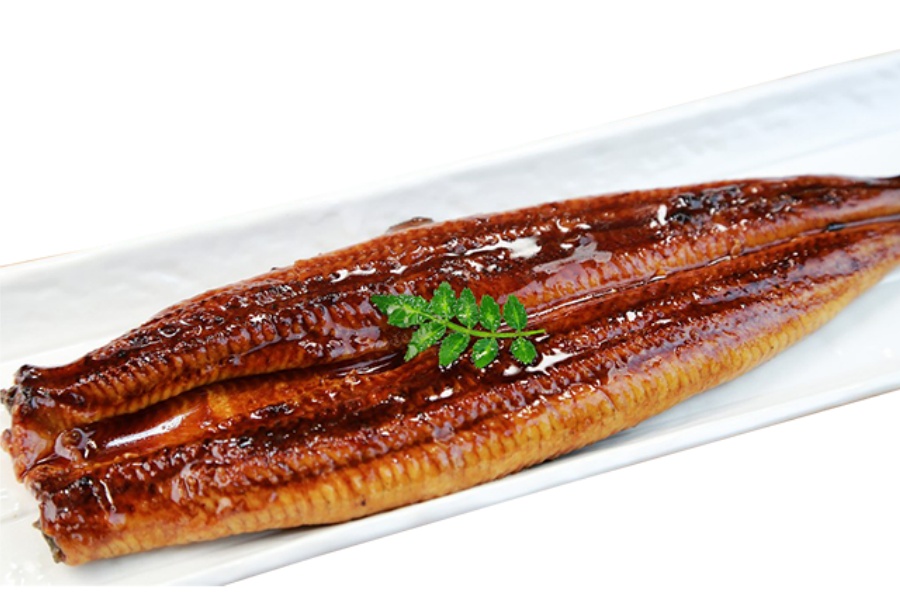
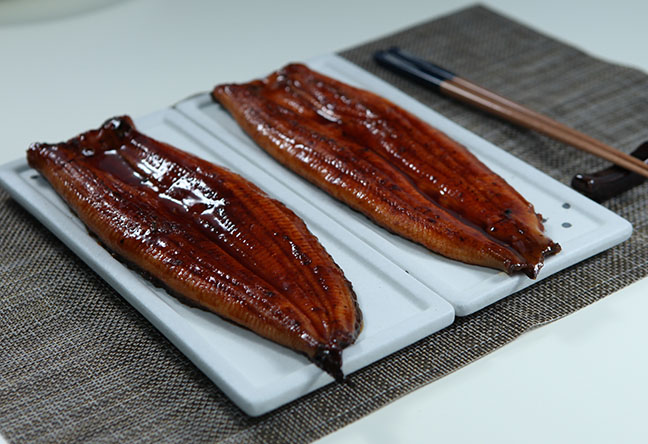
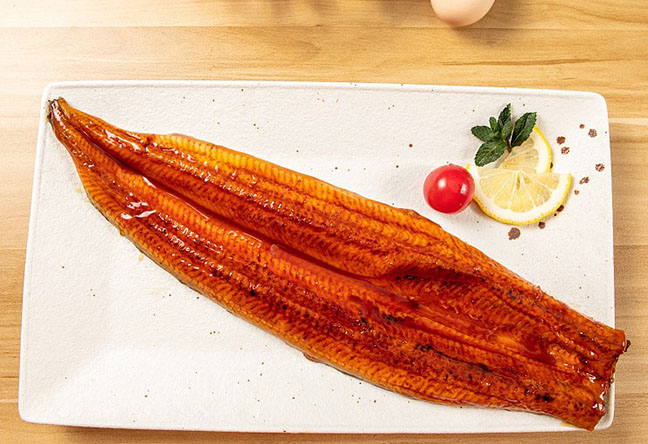
If you've ever wondered why Japanese grilled eel tastes so different from anything else on a restaurant menu, the answer is usually kabayaki sauce. This thick, glossy, sweet-savory glaze — known in Japan as unagi tare or simply tare — is what gives unagi kabayaki its characteristic caramelized crust and deep umami flavor.
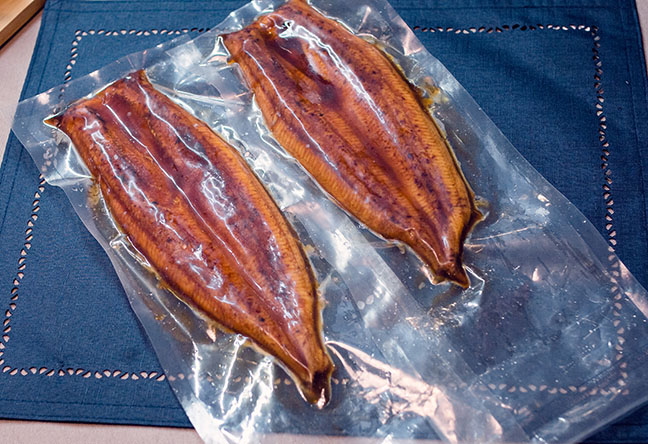
At Eelpro, we've been supplying frozen unagi kabayaki and eel sauce to restaurants and distributors worldwide for years. After watching hundreds of kitchens work with this ingredient, we've learned that understanding the sauce is half the battle. So here's everything you need to know.
Kabayaki sauce is a reduction of soy sauce, mirin, sake, and sugar, simmered until it reaches a syrupy consistency. It's the glaze brushed onto eel during the grilling process — not a dipping sauce on the side. The name comes from kabayaki (蒲焼), the Japanese method of splitting an eel, skewering it, and grilling it while repeatedly basting with tare.
Despite the name "eel sauce," kabayaki sauce contains no eel. It gets its name from what it's used on, not what it's made of. A well-made tare is dark amber, thick enough to coat the back of a spoon, and balances sweet, salty, and umami in every bite.
Traditional kabayaki sauce starts with four ingredients you probably already have:
The classic ratio is roughly 4 parts soy sauce, 2 parts mirin, 1 part sake, 2 parts sugar — but every tare house in Japan guards its own ratio. Some add a splash of dashi for roundness. Others skip sake entirely.
Making tare is straightforward but requires patience. You combine the ingredients in a saucepan, bring to a gentle simmer, and let it reduce for 15 to 25 minutes. The liquid thickens as water evaporates. You're looking for a consistency that coats a spoon but still flows — not a hard caramel.
The color deepens from light brown to dark amber as the sugars caramelize slightly. If you reduce too far, the sauce turns bitter. Not enough, and it runs off the eel. That sweet spot is something you develop a feel for after a few batches.
Here's something most recipes don't mention: in professional unagi restaurants, tare is never fully used up. Instead, a portion of the day's sauce is saved and added back to the next batch. This tsukai-tare (used sauce) tradition means a restaurant's sauce builds complexity over months or years.
Some famous unagi shops in Tokyo have tare that's been continuously refreshed for decades. The flavor gets darker, deeper, and more layered with each generation. You won't replicate that at home on day one — but it's worth knowing why restaurant tare tastes different from a fresh batch.
If you're sourcing unagi kabayaki for a restaurant chain or distribution business, the sauce question comes up fast. Your tare choice affects three things:
These names get used interchangeably, and it causes confusion. Here's the breakdown:
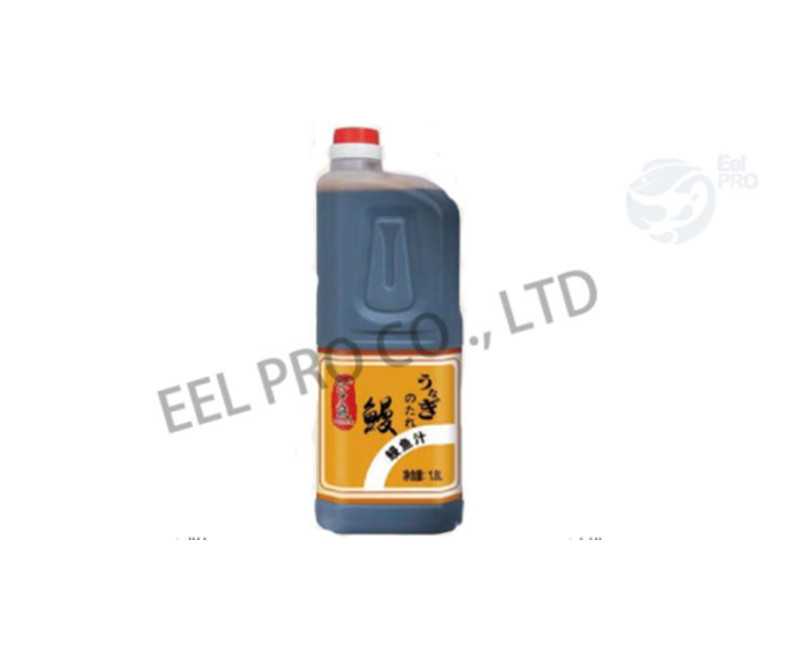
For practical purposes, if you're buying eel products and the supplier says "eel sauce included," it's almost certainly a basic tare. The quality varies enormously.
No. Despite the name, kabayaki sauce is made from soy sauce, mirin, sake, and sugar. It contains no eel or eel extract. The name refers to the dish it's used on, not its ingredients.
They're related but not identical. Teriyaki sauce uses similar ingredients (soy, mirin, sugar) but typically omits sake and often includes garlic, ginger, or sesame. Kabayaki sauce is simpler and specifically designed for eel.
In the refrigerator, homemade tare keeps for 2-3 weeks. The high sugar and salt content acts as a natural preservative. Commercial bottled versions last 6-12 months unopened. In a professional kitchen, the "used tare" method means it's continuously refreshed and never truly expires.
Yes. While it's designed for eel, kabayaki sauce works well on grilled chicken, tofu, mushrooms, and rice bowls. Its sweet-savory profile pairs with most grilled or pan-fried proteins.
Kabayaki sauce is the difference between grilled eel and great grilled eel. Four ingredients, 20 minutes of simmering, and a willingness to experiment — that's all it takes to understand why this sauce has defined Japanese eel cuisine for centuries.
Whether you're running a sushi kitchen or sourcing frozen unagi for distribution, getting the tare right is non-negotiable. Start with a quality eel sauce, experiment with your own ratios, and build a flavor that becomes your signature.


 WhatsApp
 sales@chinaeels.com
 +8619937922411