





When most people think of eel in Japanese cuisine, they picture kabayaki — that glossy grilled fillet over rice. But there's a quieter, lesser-known dish that unagi lovers swear by: eel soup. In Japan, it's called kimosu (肝吸) or kimo-jiru, and it's one of the most distinctive things you can order at a traditional unagi restaurant.
At Eelpro, we've spent years working with unagi products and the byproducts of kabayaki processing. Eel soup is a perfect example of using every part of the fish — and it deserves more attention than it gets outside Japan.
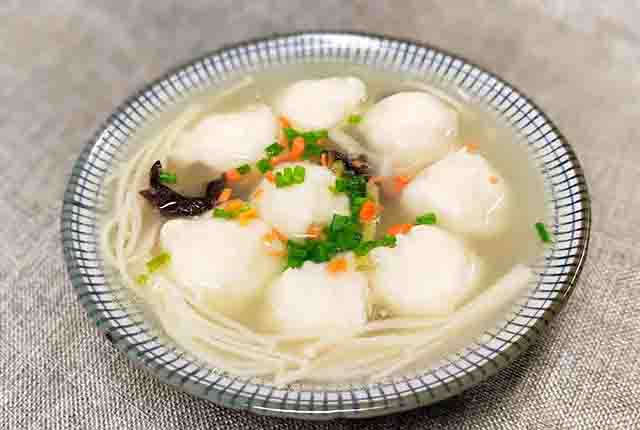
Eel soup refers to a Japanese clear broth soup made with eel liver (kimo). It's served as a companion dish to unagi don or kabayaki in traditional unagi restaurants. The soup is light, clean, and slightly earthy — a counterpoint to the rich, sweet grilled eel it accompanies.
The basic version contains three things: eel liver, clear broth (dashi), and green onion. That's it. The simplicity is the point — the flavor comes from the quality of the ingredients, not from complexity.
It's worth noting that "eel soup" as a term can also refer to other dishes in different cultures. Korean cuisine has spicy eel soups, and some Chinese regional cuisines have eel-based broths. But in the context of Japanese unagi cuisine — which is what most of our B2B clients are sourcing for — eel soup means kimosu.
If you've never tried it, eel liver soup is hard to describe by comparison. The broth is clean and savory — dashi-based, so it has that umami backbone from kombu and bonito. The eel liver itself is soft, slightly mineral, and rich without being heavy. Think of it as somewhere between chicken liver and soft-shell clam, but milder than either.
The green onion adds a sharp, fresh note that cuts through the richness. Some versions include a small piece of eel meat or skin trimmings. The overall effect is warming and restorative — which is exactly why it's traditionally served alongside the heavier, sweeter kabayaki.
In a good unagi restaurant, the kimosu is included automatically with your unagi don order. It's not a side dish you choose — it's part of the meal. That tells you something about how integral it is to the experience.
The whole process takes 15 minutes. The only specialized ingredient is eel liver — everything else is standard Japanese pantry.
If you're sourcing eel products for a restaurant or distribution business, eel soup represents an opportunity most buyers miss. Here's why:
1. It uses a byproduct. Eel liver is generated during kabayaki processing — it's the same fish, just a part that doesn't go into the fillet. For processors, selling eel liver (or kimosu-ready offcuts) creates a secondary revenue stream from material that would otherwise be waste.
2. It's a menu differentiator. Most Japanese restaurants outside Japan don't serve kimosu. Adding it to your menu — even as a complimentary side with unagi don — signals authenticity. It's the kind of detail that Japanese expatriate customers and serious food enthusiasts notice immediately.
3. It's nutritionally dense. Eel liver is exceptionally high in vitamin A — significantly more per gram than the eel fillet itself. It's also rich in iron and B vitamins. For health-conscious diners, this is a genuine selling point.
4. The cost is low. Since eel liver is a processing byproduct, the ingredient cost is minimal. The broth is dashi — one of the cheapest broths to make. A bowl of kimosu costs less than $1 in ingredients but can be priced or positioned as a premium addition.
While kimosu is the Japanese version, eel soup appears in other Asian cuisines:
For B2B sourcing, the Japanese kimosu is the most commercially relevant version — it's the one that pairs with the kabayaki supply chain and the one international Japanese restaurants are most likely to add.
If you want to serve eel soup, you need eel liver — and that means talking to your unagi supplier. Here's what to ask:
At Eelpro, we can supply eel liver alongside our frozen kabayaki. It's not a standard catalog item, but for clients who want to serve authentic kimosu, we arrange it as an add-on to kabayaki orders. If this is something you're exploring, reach out and we can discuss specifics.
Japanese eel soup (kimosu) is made from eel liver, clear dashi broth, green onion, and a light seasoning of soy sauce and sake. That's it — the simplicity is the point.
Eel liver is soft, slightly mineral, and rich without being heavy. It's milder than chicken liver, with a texture somewhere between soft tofu and tender clam. The flavor is clean and earthy, not fishy.
Yes. Eel liver is exceptionally high in vitamin A, iron, and B vitamins. The dashi broth is low in calories and fat. A bowl of kimosu is a nutrient-dense, low-calorie dish — traditionally believed to aid recovery from fatigue.
Not authentically. The liver is the defining ingredient. If you can't source eel liver, you can make a similar clear soup with eel meat trimmings or eel skin, but it won't be kimosu — it will be a different dish.
Eel soup is a small dish with a big story. It represents the Japanese philosophy of using every part of the ingredient, it pairs perfectly with the rich sweetness of kabayaki, and it's one of the most authentic touches you can add to a Japanese restaurant menu outside Japan.
For B2B buyers, it's also a low-cost, high-impact addition that turns a processing byproduct into a menu asset. If you're already sourcing frozen unagi kabayaki, ask your supplier about eel liver. The soup it makes might surprise you — and your customers.
Want to explore the full range of unagi products? Start with understanding the sauce, then consider how byproducts like liver can round out your menu.


 WhatsApp
 sales@chinaeels.com
 +8619937922411