





What is unagi? In Japanese cuisine, unagi means freshwater eel. Most often, the word brings to mind eel that has been split, grilled, and glazed with a sweet-savory sauce. It is a familiar sight on sushi menus, rice bowls, bento boxes, noodle dishes, and traditional summer menus across Japan.
For restaurants, importers, and seafood distributors, unagi is also a versatile frozen foodservice product. Eelpro supplies frozen unagi kabayaki to overseas buyers, allowing kitchens to serve a consistent grilled eel dish without the labor and handling requirements of live or raw eel.
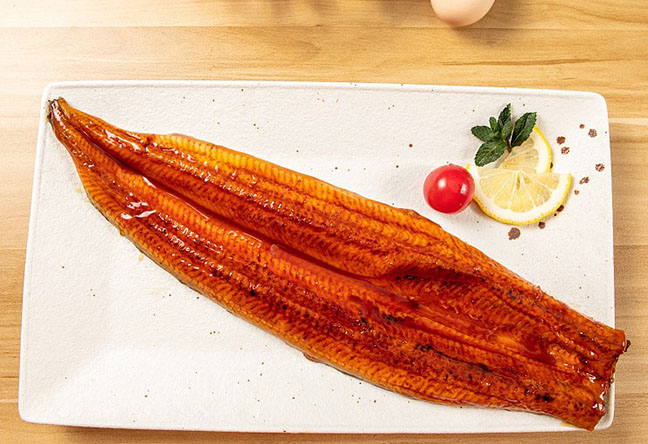
“Unagi” is the Japanese word for freshwater eel. While it can refer to the fish itself, restaurant menus usually use the term for prepared grilled eel. It may describe the ingredient, an eel-topped rice bowl, or a full dish such as unagi don.
Unagi should not be confused with “anago,” the Japanese word for conger eel. Both are long-bodied fish used in Japanese cooking, but they are different species with distinct habitats, textures, and traditional preparations. Unagi is generally richer and more substantial, while anago tends to be lighter in flavor.
The Japanese eel, Anguilla japonica, is one of the best-known freshwater eel species in East Asian cuisine. It spends much of its growth period in rivers, lakes, estuaries, and coastal waters before migrating to the sea to reproduce. This unusual life cycle is one reason eel supply, aquaculture, and fisheries management receive close attention in producing regions.
In international foodservice trade, “freshwater eel” may also refer to other Anguilla species, depending on the source country and product specification. Buyers should not rely on a general product name alone. Before ordering, check the scientific name, country of processing, size grade, glaze percentage, packaging style, and required import documentation.
The classic preparation is called kabayaki. The eel is opened, filleted, and typically deboned before cooking. It is grilled, steamed in some regional styles, brushed with tare sauce, then grilled again. The final pass over the heat creates the glossy finish and gentle caramelization associated with grilled unagi.
This process highlights the eel’s natural fat and gives the meat its soft, tender texture. Tare commonly contains soy sauce, sugar, mirin, and sometimes sake. Every producer and restaurant has its own balance, so one kabayaki sauce may be deep and savory while another is sweeter, thicker, or more pronounced in its soy flavor.
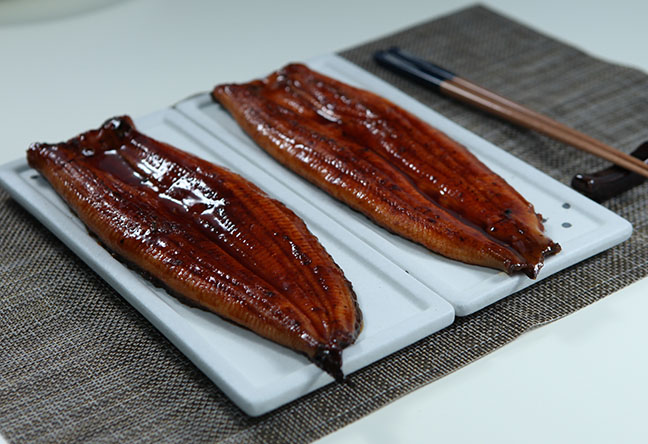
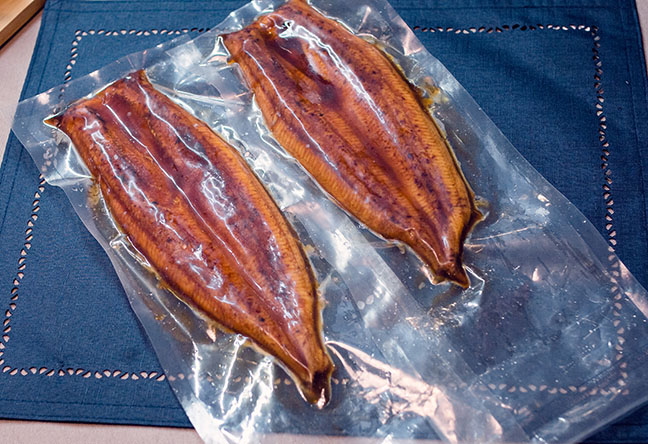
Unagi kabayaki is freshwater eel that has been split, seasoned, basted, and grilled. It is one of the most recognized forms of Japanese eel. Frozen unagi kabayaki is widely sold in vacuum packs, retail packs, and foodservice cartons. Depending on the specification, it may be fully cooked and ready to reheat or packed with sauce supplied separately.
For a busy restaurant kitchen, frozen kabayaki saves considerable preparation time. After thawing according to the product instructions, a chef can heat the eel, add sauce if required, and serve it over rice. The fillets can also be sliced for sushi rolls, donburi, bento boxes, appetizer plates, or noodle dishes.
At Eelpro, we export frozen unagi kabayaki and can discuss product details such as portion size, packaging format, sauce options, private labeling, and delivery requirements with overseas buyers. Always follow the cooking, thawing, and storage directions listed on the product specification sheet.
Unagi is most commonly served with steamed white rice. The best-known format is unagi don, a bowl of rice topped with grilled eel and finished with tare. Unaju features a similar combination in a lacquered box. Restaurants often serve it with sansho pepper, Japanese pickles, clear soup, or a small salad to offset the eel’s richness.
Other popular examples of eel cuisine include:
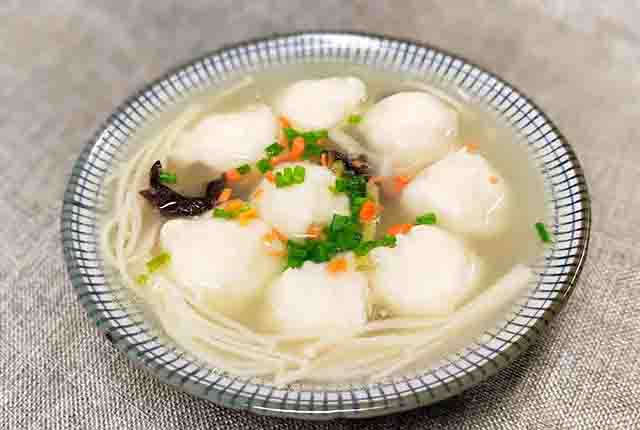
Our guide to how to cook eel noodle soup shows one way to use eel beyond the standard rice bowl. For menu development and sauce planning, you can also review our article on kabayaki sauce and grilled eel.
Unagi is a nutrient-dense fish and a source of protein. It also contains vitamins A, B, and E. Its naturally rich, fatty texture is a major part of its appeal, but portion size is worth considering, especially when the dish includes a generous amount of sweet tare sauce and white rice.
Nutritional values vary according to species, farming or fishery conditions, trimming, cooking method, and sauce quantity. Businesses selling packaged food should use the nutrition panel and laboratory information supplied for the exact product. General nutrition figures should not be applied across every eel item or recipe.
Texture matters as much as nutrition when serving unagi. Properly prepared eel should be moist, tender, and easy to separate with chopsticks. Overheating can dry the flesh or cause the sauce to scorch, so foodservice teams should follow the supplier’s reheating recommendations closely.
Japan has a long-standing custom of eating unagi on Doyo-no-Ushi-no-Hi, often translated as the Day of the Ox during the summer period. The tradition is linked to eating nourishing foods during the hottest part of the year. Around this seasonal date, many restaurants promote grilled eel rice bowls and other kabayaki dishes.
The custom has helped establish unagi as a recognizable summer menu item, yet it is not limited to one season. Frozen products allow restaurants, distributors, prepared-food producers, and retailers to offer unagi throughout the year. It fits Japanese restaurants, pan-Asian concepts, meal kits, prepared meals, and freezer sections.
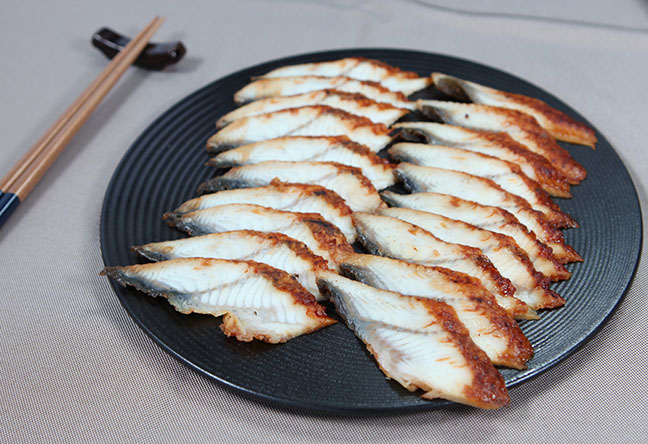
| Feature | Unagi | Anago |
|---|---|---|
| Common English term | Freshwater eel | Conger eel |
| Typical habitat | Freshwater and coastal environments | Saltwater or marine environments |
| Texture | Rich, soft, and fatty | Generally lighter and leaner |
| Common preparation | Kabayaki with tare sauce | Tempura, sushi, simmered dishes, or grilled preparations |
These are broad culinary distinctions rather than a substitute for a formal product specification. Flavor, texture, portion yield, and cooking performance can vary based on the species, fish size, processing method, sauce application, and heating treatment.
When sourcing frozen eel, request the details that directly affect menu cost and kitchen performance. Important points include whole or fillet format, skin-on or skinless preparation, average piece weight, pieces per carton, sauce coverage, net weight, glaze percentage, storage temperature, and shelf life.
You should also confirm whether the eel is fully cooked, how it should be thawed, and whether it is suitable for oven, grill, microwave, or pan reheating. A clear product specification helps purchasing teams compare offers accurately and helps chefs deliver a consistent portion at service.
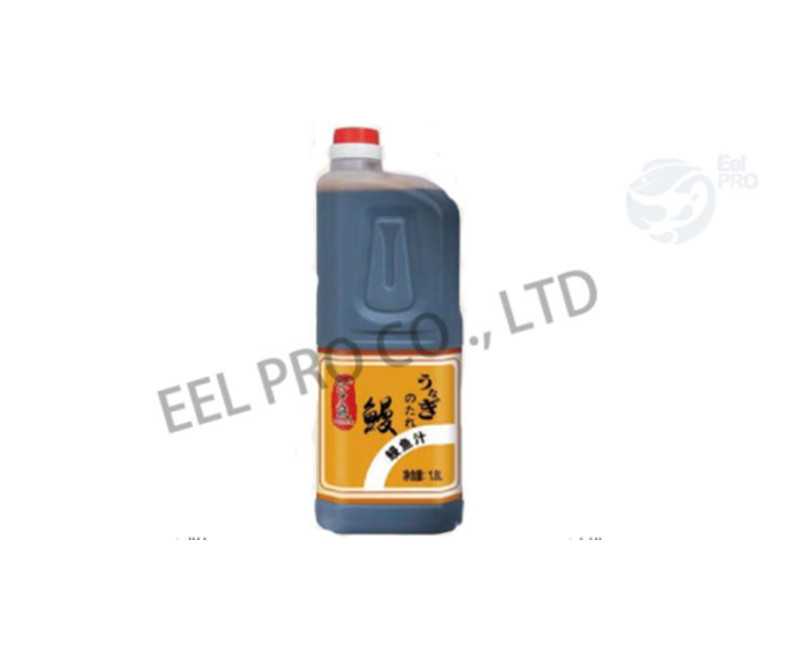
Eelpro provides eel sauce as a separate product for buyers who want more control over sauce quantity or prefer to combine grilled eel with their own recipe. We also export frozen seafood for distributors seeking more than one product category from a Chinese supplier.
Unagi means freshwater eel in Japanese. On a menu, it often refers to freshwater eel that has been grilled and served with tare sauce, commonly as unagi kabayaki or a rice bowl.
Yes, unagi served in restaurants is normally cooked. Kabayaki is split, grilled, basted with sauce, and grilled again. Frozen unagi products may be fully cooked or require a specified heating step, so check the supplier’s label and instructions.
Unagi is freshwater eel, while anago is conger eel, a saltwater fish. Unagi is usually richer and fattier, while anago is often lighter. They are used in different dishes, although both appear in Japanese cuisine.
Unagi is commonly served over steamed rice with tare sauce. It can also be used in sushi, bento meals, noodle soup, chazuke, and other prepared dishes.
Yes. Frozen unagi kabayaki is available for foodservice, distribution, and retail applications. Buyers should confirm the species, size, packaging, sauce, storage conditions, and reheating instructions before ordering.
Now that you know what is unagi, you can compare the right format for your menu or distribution plan. Contact Eelpro to discuss frozen unagi kabayaki, eel sauce, and other frozen seafood products for your market.


 WhatsApp
 sales@chinaeels.com
 +8619937922411