





An eel rice bowl is a smart meal-prep option when you want tender unagi, seasoned rice, and vegetables ready with minimal effort. With sensible portions, proper cooling, and a clear reheating plan, you can prepare three lunches or dinners without ending up with dry rice or rubbery eel.
This guide outlines a practical three-day schedule for home kitchens, meal-kit producers, caterers, and foodservice teams. It also looks at how frozen unagi kabayaki, eel sauce, packaging, and portion control shape the finished bowl.
For three standard portions, prepare the following ingredients:
For a foodservice menu, 100–150 g of cooked eel with 200–250 g of cooked rice per serving is a solid starting point. Adjust the final portion to suit your selling price, container size, and nutrition target. Keep the rice and toppings consistent across all three bowls so the product looks uniform at packing and at service.
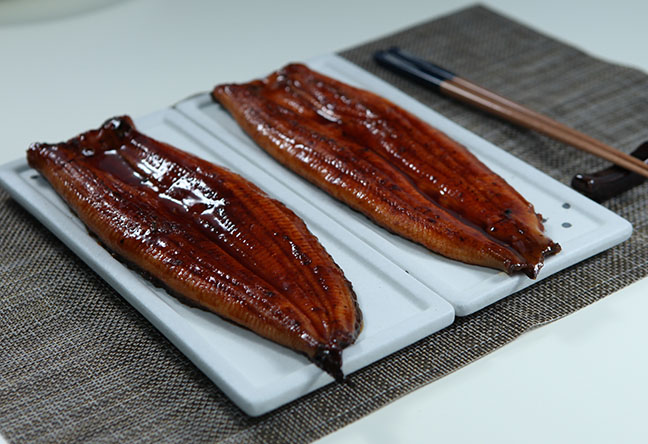
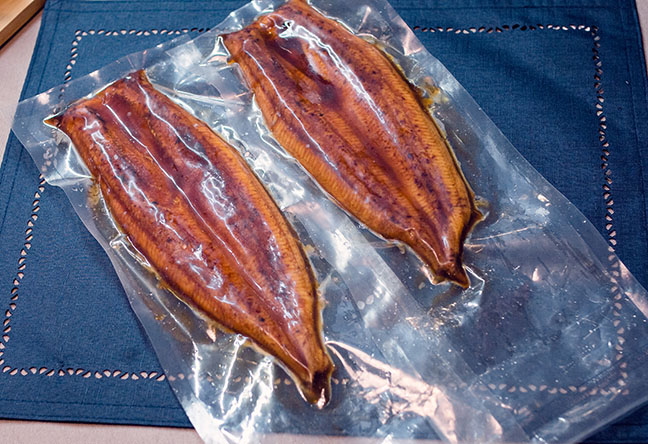
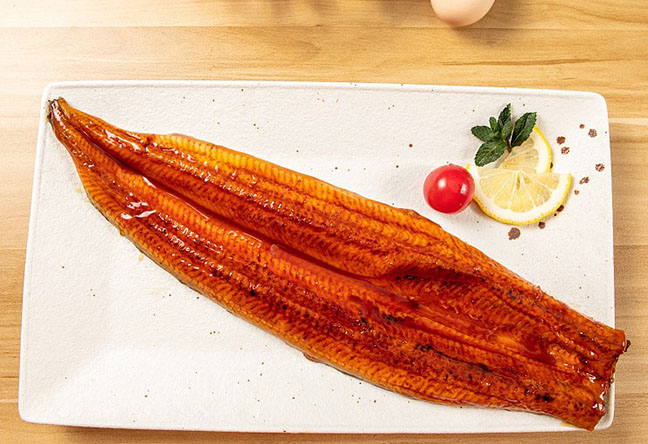
Frozen unagi kabayaki can streamline production because the eel is already grilled and glazed. After thawing according to your approved process, heat it until fully hot, then portion it using a clean scale or standard serving scoop.
Cook short-grain or medium-grain rice according to the supplier’s instructions. Japanese-style rice is especially suitable because its lightly sticky texture holds sauce and toppings well. Once cooked, move the rice from the cooker or pot into shallow trays. Avoid leaving a deep mass of hot rice in a sealed container.
Spread the rice in an even layer so steam can escape. Cool it promptly, then divide it among three containers. Shallow containers cool more quickly than tall ones and leave enough room for eel and vegetables without pressing the rice down.
Heat the kabayaki in a convection oven, steamer, skillet, or microwave, depending on your kitchen setup. Follow the product handling instructions and confirm that the center is fully hot before packing. In commercial production, record the heating method, batch, and holding time.
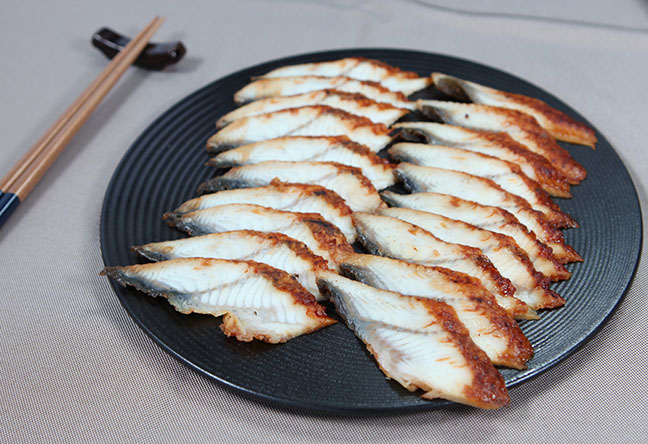
Cut each eel fillet into two or three pieces. It is easier to eat that way, and each bowl has a cleaner presentation. Add the eel over the rice once both components are ready for packing.
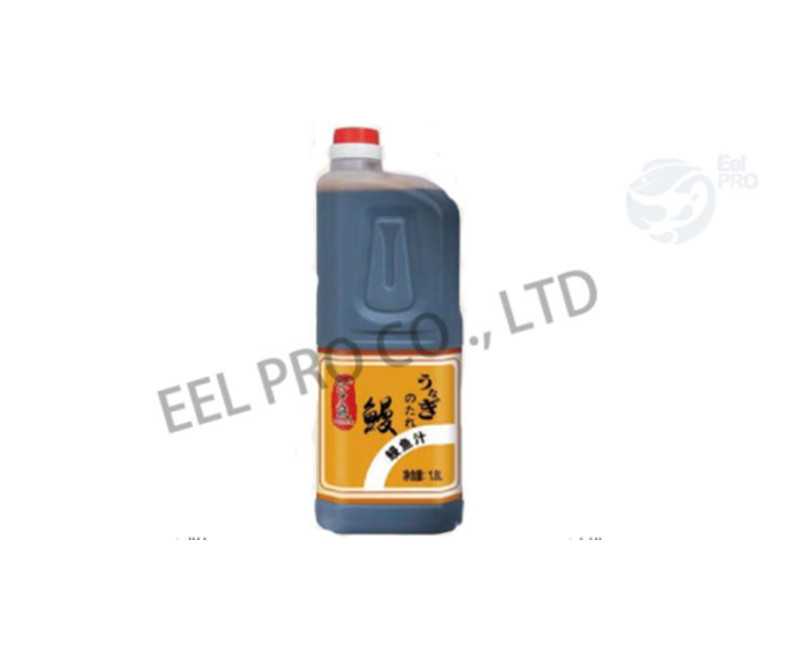
For a deeper sauce finish, brush on a measured amount of eel sauce after heating. The amount matters: too little leaves the rice bland, while too much can create a watery container after refrigeration. Packing sauce in a separate cup gives customers more control and helps preserve the rice texture.
Choose vegetables that hold up well in the refrigerator. Blanched broccoli, edamame, carrots, and spinach are dependable options. Drain them thoroughly before packing, as excess water can pool under the rice or thin the sauce.
Keep crisp ingredients, including cucumber, nori, and fried onions, in a separate compartment or small packet. Add them just before serving. It is an easy way to improve a make-ahead eel bowl without changing the core recipe.
| Day | Meal plan | Best preparation notes |
|---|---|---|
| Day 1 | Freshly packed bowl | Add sauce, vegetables, and hot eel after cooking. Eat once the bowl reaches a comfortable serving temperature. |
| Day 2 | Reheated bowl | Reheat the rice and eel together if the container allows. Add crisp toppings after heating. |
| Day 3 | Last planned bowl | Check the container seal, smell, and appearance before reheating. Do not use food that has been left at room temperature for an extended period. |
For home meal preparation, make all three bowls on Day 1 and refrigerate them. Restaurants and caterers may prefer to batch-cook rice and vegetables, then heat the eel closer to service. This reduces the eel’s storage time and often gives it a better texture.
Label every container with a date and, when relevant, a time. Standard food-safety guidance recommends refrigerating cooked leftovers within two hours, or within one hour when the surrounding temperature is above 32°C (90°F), then using refrigerated leftovers within three to four days. Your local food code or customer specification may require a shorter period, so always follow the stricter rule.
The main challenge in unagi meal prep is managing moisture. Eel sauce, vegetables, and rice can all release or absorb water during storage. These steps help keep the bowl balanced:
For an eel donburi meal prep program, container design affects both portion appearance and reheating. A wide, shallow bowl displays the eel clearly and heats more evenly. A divided tray works well when sauce and vegetables need to stay separate. For delivery, test the container after 30–60 minutes of transport. Check for leaking sauce, condensation, lid distortion, and rice sticking in the corners.
Buyers comparing suppliers should also consider fillet size, glaze level, cooking yield, case packing, frozen storage conditions, and lot consistency. A meal-kit producer may need uniform pieces for automated or semi-automated portioning. A caterer may prefer larger fillets that can be cut into attractive servings. These purchasing details directly affect the finished bowl.
Reheat one portion at a time whenever possible. If the sauce is packed separately, remove the sauce cup before heating. Cover the container loosely to retain moisture, but confirm that it is approved for microwave use.
Microwave the rice and eel in short intervals, checking between each round. Loosen or stir the rice if needed, and turn the eel so the center heats evenly. For commercial kitchens, use a calibrated thermometer and reheat according to your food-safety plan. In the United States, the USDA recommends reheating leftovers to 165°F (74°C). Do not judge doneness only by the heat of the container.
For oven service, transfer the eel and rice to an oven-safe tray, cover it to reduce drying, and heat until the center reaches the required temperature. Add fresh green onion, sesame, nori, or sansho after heating. Those finishing touches restore contrast after refrigeration.
Our kabayaki sauce guide explains how the glaze adds sweetness, savoriness, and shine. If customers will reheat your product, test the sauce after one, two, and three days. A sauce that tastes balanced on Day 1 can become more concentrated as the rice absorbs it.
Eel bowl storage should be planned before you start cooking. Keep the refrigerator at 4°C (40°F) or below where possible, and place sealed bowls on a stable shelf rather than in the refrigerator door. Do not stack hot containers tightly together. Leave room for cold air to circulate while the food cools.
For delivery or vending, use insulated transport with appropriate cold holding. The container should protect the bowl from crushing while helping prevent leaks. If the meal is sold chilled, provide clear reheating instructions: remove the sauce cup, loosen the lid, heat thoroughly, and consume promptly after reheating.
Can you prepare the rice, eel, vegetables, and sauce separately? Yes. This approach often produces the best result for three-day programs. Store rice in one sealed container, eel in another, and sauce and toppings separately. It requires more packing space, but each component can be reheated and finished at the right time.
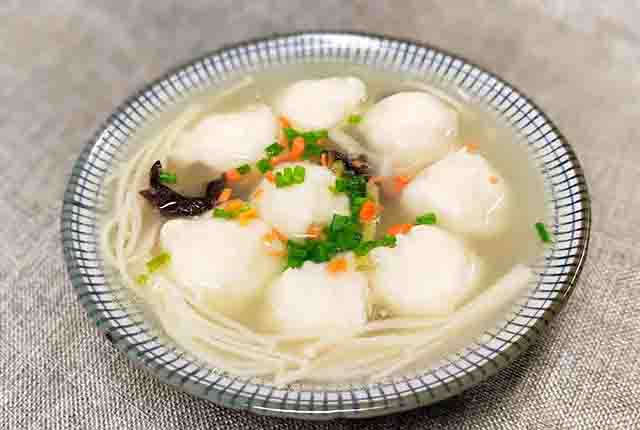
For additional menu ideas, see these eel recipes. The same kabayaki portions used for rice bowls can also support noodle soup, sushi toppings, bento boxes, and mixed seafood meal kits.
Cook and cool the rice in a shallow tray, heat the unagi kabayaki, drain the vegetables, and divide everything into three containers. Pack sauce separately when possible. Label each bowl with the preparation date, refrigerate promptly, and reheat one portion at a time.
A properly cooked and promptly refrigerated eel rice bowl is generally best used within three to four days at 4°C (40°F) or below. Follow your local food code, buyer specification, or company HACCP plan if it sets a shorter limit. Discard the bowl if it has an unusual smell, damaged packaging, or a questionable temperature history.
Yes, but the texture may change. Rice can become firmer or drier after freezing and thawing, while vegetables with high water content may soften. For better results, freeze the eel, rice, sauce, and vegetables separately in suitable airtight packaging. Thaw under refrigeration, then reheat thoroughly. Do not refreeze food that has already been thawed and reheated.
Use a leak-resistant, food-grade container with a secure lid. A divided tray or separate sauce cup is useful when the bowl will travel or remain refrigerated for several days. Test the package for stacking, condensation, reheating, and transport before placing it into regular production.
A well-planned eel rice bowl requires more than cooked rice and eel. Portion size, sauce control, cooling, labeling, packaging, and reheating all influence the customer experience. For dependable production, start with a small batch, test the bowl from Day 1 through Day 3, and note any changes in rice texture or sauce absorption.
Eelpro Co., LTD supplies frozen unagi kabayaki, eel sauce, frozen seafood, and freshwater eels for overseas buyers. Review our unagi kabayaki products and contact our team to discuss portion sizes, packaging, and meal-kit or foodservice requirements.

 WhatsApp
 sales@chinaeels.com
 +8619937922411