





An eel roll is a sushi roll made with grilled freshwater eel, cucumber, seasoned rice, and nori. In Japan, this simple pairing is commonly known as unakyu maki: “unagi” means freshwater eel, and “kyuri” means cucumber. On Western sushi menus, it may also appear as an unagi roll.
Its appeal is straightforward. Grilled eel has a soft, rich texture and a deep savory flavor that works especially well with a sweet soy-based glaze. Cucumber brings a clean crunch, while rice and nori provide structure without competing with the filling. For restaurants, the roll is also efficient to produce. Frozen unagi kabayaki can be portioned, reheated, sliced, and served with dependable results during a busy shift.
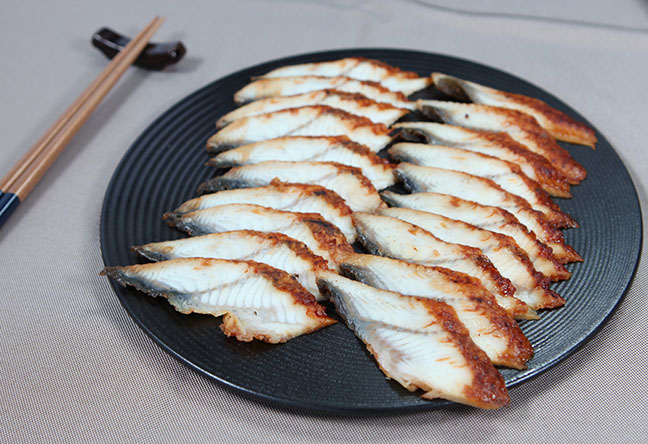
The classic filling is uncomplicated: cooked eel and cucumber. The eel is usually prepared in the kabayaki style, where the fillet is grilled and brushed with a sweet soy-based sauce. Many restaurants use prepared unagi sauce, also known as tare, to finish the roll, add gloss, and reinforce the eel’s caramelized flavor.
A standard roll often includes:
Some sushi chefs add sesame seeds, scallions, avocado, or a small amount of Japanese mayonnaise. These additions can work well for a particular menu, but they should not overwhelm the eel. A good eel roll is balanced: tender, warm eel; cool cucumber; lightly seasoned rice; and a subtle seaweed aroma.
For most restaurant menus, an eel roll vs unagi roll comparison has a simple answer: the names usually refer to the same basic preparation. “Unagi roll” names the ingredient directly, while “eel roll” is the English menu term. Both generally describe grilled freshwater eel rolled with sushi rice and other fillings.
The term unakyu maki is more precise. It normally refers to a maki roll containing unagi and cucumber. A menu item such as an “eel avocado roll,” “dragon roll,” or another specialty roll may use eel differently in its filling or presentation.
There is no single international formula for specialty rolls. Restaurants adapt them to local tastes, food costs, available equipment, and portion targets. Still, the basic unagi-and-cucumber combination remains the easiest version to recognize, prepare, and standardize.
The finished roll depends on more than the rolling mat. Properly heated eel, well-seasoned rice, neat knife work, and careful sauce application all affect the final result.
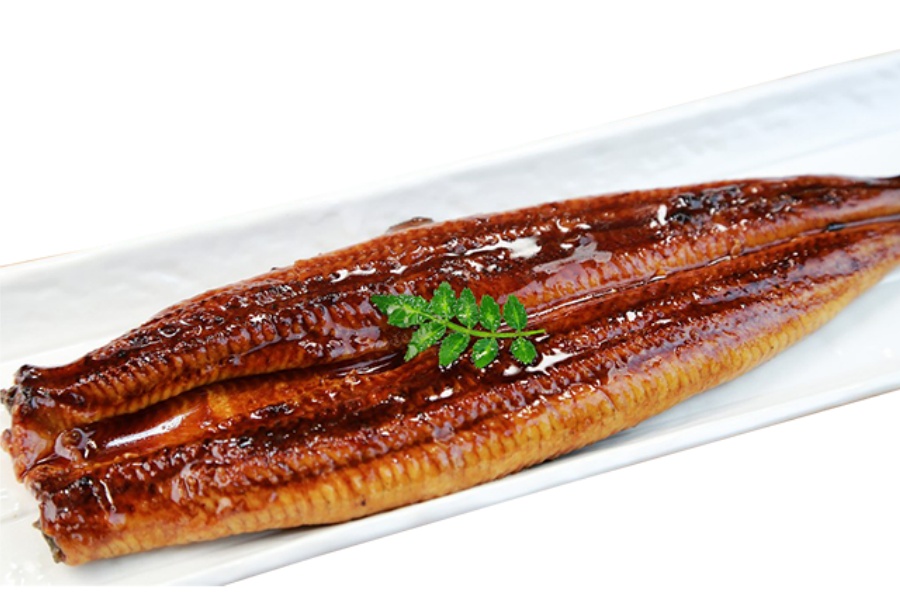
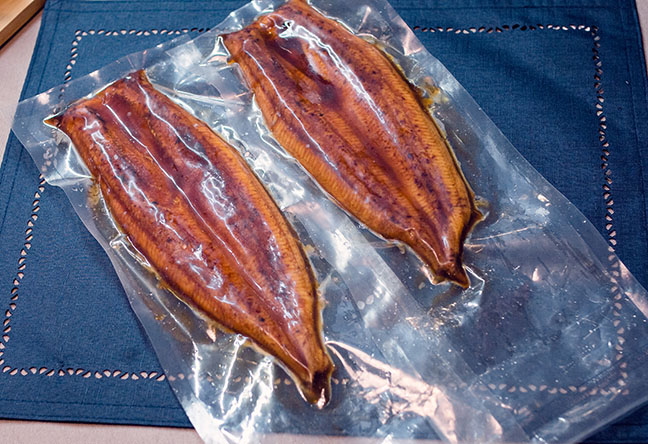
Commercial kitchens commonly receive frozen, pre-grilled unagi kabayaki. Thaw the fillet under refrigeration in line with your food-safety procedures. Reheat it using a grill, salamander, oven, or steamer, depending on the equipment available. A brief grilling step can restore the surface aroma and help the sauce cling to the eel.
Avoid overcooking. The fillet should be hot and tender, not dry or breaking apart before it reaches the cutting board. Once heated, check for any remaining visible bones and cut the eel into strips sized for the roll. For a standard maki, strips about 1 to 1.5 centimeters wide are often practical, although each kitchen should establish its own portion specification.
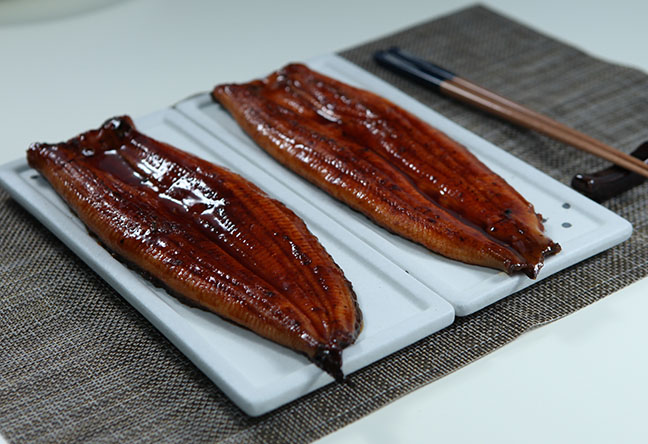
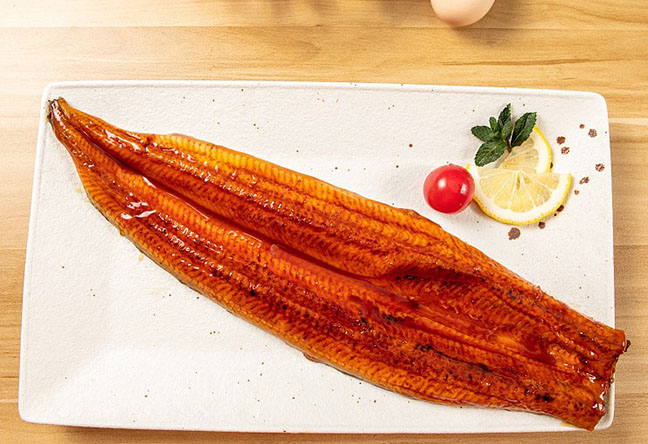
Eelpro supplies frozen unagi kabayaki for sushi restaurants, allowing buyers to work with a consistent cooked fillet instead of preparing whole raw eel during service.
Cook the sushi rice, then season it while warm with sushi vinegar. The grains should hold together when pressed, yet remain distinct rather than wet or mashed. Let the rice cool to a workable temperature before rolling.
Cut the cucumber into even batons. Removing some of the seeds can reduce excess moisture, particularly when the cucumber is very watery. Uniform pieces improve the appearance of each portion and keep the filling from shifting when the roll is cut.
Place a sheet of nori on a bamboo mat. Spread a thin, even layer of rice across the seaweed, leaving a narrow strip uncovered at the far edge. Arrange the eel and cucumber in a line near the lower third of the rice.
Lift the near edge of the mat and roll forward with firm, gentle pressure. The rice should enclose the filling without crushing the cucumber. Moisten the exposed strip of nori to seal the cylinder, then rest the roll seam-side down.
Use a sharp, damp knife to cut the roll into six or eight pieces. Wipe the blade between cuts when rice or sauce begins to collect. Finish with a light drizzle of tare, toasted sesame seeds, sliced scallion, or a small amount of mayonnaise, depending on the menu specification.
For dependable portions, weigh the eel and rice during recipe testing. Once the restaurant sets a standard, staff can repeat the same size, appearance, and flavor across lunch service, takeaway orders, and larger catering trays.
Sauce should support the eel, not turn the entire roll overly sweet. A balanced kabayaki sauce usually contains soy sauce, sugar, and mirin or a similar sweet cooking seasoning. Some kitchens make tare in-house, while others choose a prepared product to reduce prep time and limit variation.
Our eel sauce for unagi and sushi applications can be used to brush heated fillets, drizzle finished rolls, or serve on the side. Apply it with restraint. Too much sauce can soften the nori and make the sushi difficult to pick up.
When evaluating frozen unagi for your menu, review fillet size, trim, skin condition, bone removal, glaze level, packaging, and cold-chain documentation. Request cooking instructions and product specifications before placing a regular order. The right fillet should heat evenly and stay tender after slicing.
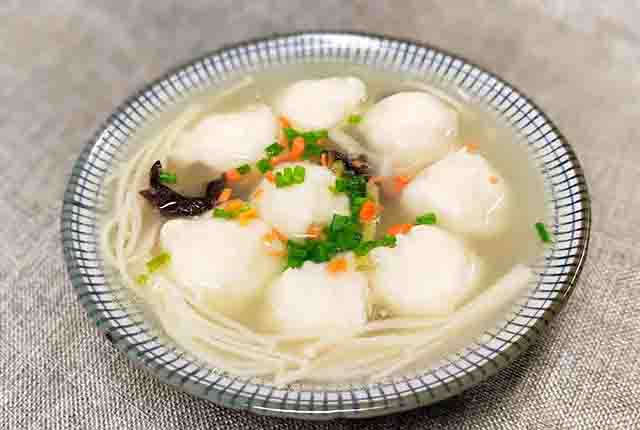
For a fuller look at how sauce shapes grilled eel, read our guide to kabayaki sauce and unagi preparation. The same cooked eel can also be used in rice bowls, donburi, hand rolls, and noodle dishes. Our eel noodle soup recipe guide offers another service option for restaurants building a broader eel menu.
Serve an eel roll with pickled ginger, wasabi, and soy sauce, although many diners also request extra unagi sauce. It pairs well with miso soup, edamame, seaweed salad, or a simple sashimi starter. For takeaway orders, pack the sauce separately whenever possible. This helps preserve the texture of the nori.
At home, cover a sushi mat with plastic wrap for easier cleanup. Keep the rice layer thin and avoid overfilling the roll. Warm the kabayaki gently, as an overly hot fillet can soften the nori before the roll is sliced.
For importers, distributors, and sushi groups, eel rolls offer several practical menu advantages. The ingredients are familiar, cooked eel reduces prep steps, and one fillet can support more than one menu format when portioned carefully. It may be a quiet performer, but customers remember the combination of smoky eel, sweet sauce, and crisp cucumber.
An eel roll is a sushi roll made with grilled freshwater eel, sushi rice, nori, and usually cucumber. It is often called an unagi roll. The eel is commonly prepared as kabayaki and finished with a sweet-savory tare sauce.
To make an eel roll, heat and slice cooked unagi kabayaki, cut cucumber into thin batons, spread seasoned sushi rice over nori, and place the fillings near the lower edge. Roll firmly with a bamboo mat, seal the nori, cut the roll into six or eight pieces, and add sauce or garnishes.
In most Western sushi restaurants, there is little practical difference between an eel roll and an unagi roll. Both names commonly describe grilled freshwater eel rolled with rice and other ingredients. Unakyu maki is a more specific Japanese name for a roll pairing unagi with cucumber.
A good eel roll relies on straightforward ingredients handled with care: tender unagi kabayaki, balanced sauce, fresh cucumber, properly seasoned rice, and clean rolling technique. Eelpro can support your sushi operation with frozen unagi kabayaki, eel sauce, and other frozen seafood products. Contact us to discuss product specifications, packaging, and supply requirements for your market.



 WhatsApp
 sales@chinaeels.com
 +8619937922411