





Eel soup is a light, savory Japanese dish often served with grilled freshwater eel or eel liver. It is far less widely known than unagi kabayaki, but it remains a familiar and valued part of traditional unagi restaurant meals. In Japan, diners may receive a small bowl of clear broth with eel liver alongside grilled unagi and rice. The soup is delicate rather than rich, offering warmth and a different perspective on Japanese eel cuisine.
For restaurants, importers, and home cooks, eel soup is a useful way to bring more variety to an eel menu than rice bowls alone. A well-made dashi, fresh green onion, and properly prepared eel create a refined starter, seasonal special, or accompaniment to a set meal. At Eelpro, we supply frozen unagi kabayaki, eel sauce, and frozen seafood for overseas buyers seeking reliable ingredients for Japanese-style menus.
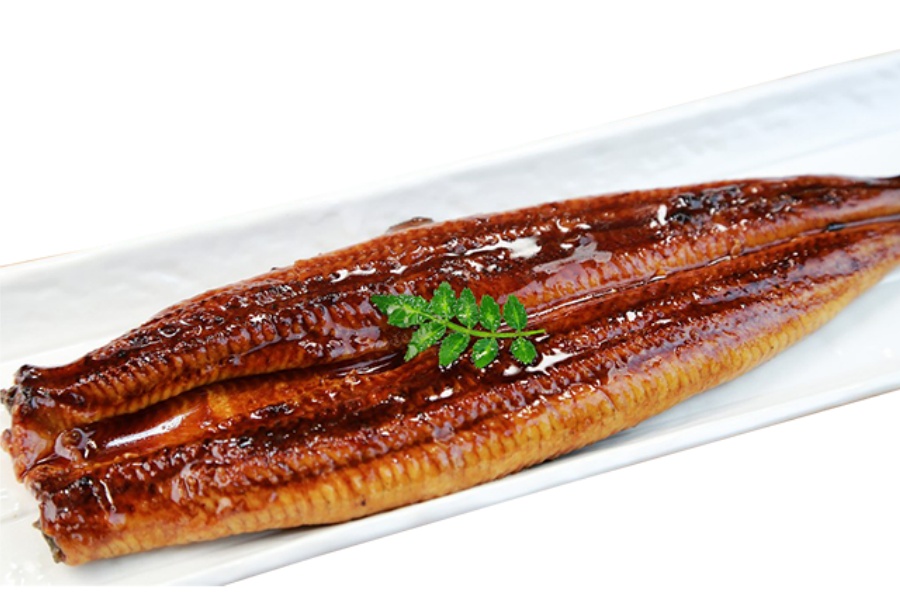
The traditional Japanese version is called kimosu, sometimes written as kimosui. “Kimo” refers to eel liver or internal organs, while “su(i)” means soup. This clear soup is commonly served in unagi restaurants, often as part of a meal that includes grilled eel over rice. Its basic ingredients are eel liver, dashi, soy sauce, and green onion.
Kimosu is not intended to be filling or heavily seasoned. The broth stays clear and clean, allowing the slightly earthy, mineral flavor of eel liver to come through. A small bowl may arrive before the main dish or be served alongside it. This balance is intentional: the soup refreshes the palate without competing with the sweet-savory flavor of grilled eel.
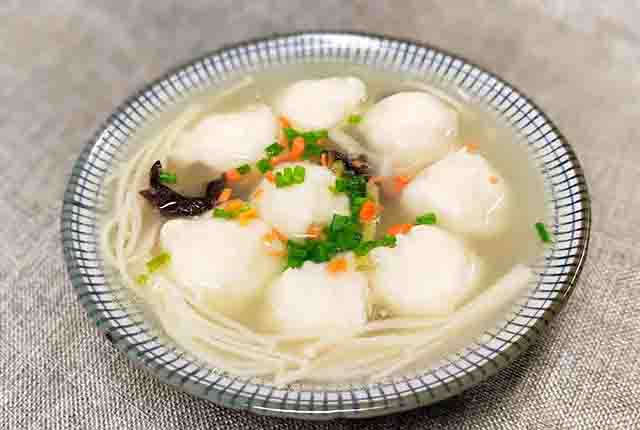
Other clear eel soups appear in regional and restaurant-specific cooking. Some recipes use pieces of eel meat instead of liver, while others include mushrooms, tofu, leafy greens, or noodles. Korean eel soups are separate dishes and may feature much stronger flavors, including chili, garlic, fermented seasonings, or perilla leaves. Although the ingredients overlap, the finished soup can be quite different from Japanese kimosu.
Eel liver has a firm bite and a concentrated flavor that adds depth to a simple stock. It also contains vitamin A, although levels vary by eel species, serving size, and preparation method. Since vitamin A can be consumed in excessive amounts, eel liver is best treated as a small delicacy rather than an everyday supplement.
Its main value is culinary. A few pieces of liver give dashi more body and make the soup feel distinctly traditional. For restaurants, serving kimosu can also create a more complete unagi experience and make thoughtful use of a specialty ingredient that might otherwise be overlooked.
Unagi soup usually tastes savory, clean, and gently sweet. Dashi forms the foundation, often made with kombu and bonito. Light soy sauce contributes salt and color without making the broth dark, while eel liver adds a richer, faintly mineral note. Green onion brings freshness, and some kitchens finish the bowl with mitsuba, ginger, or a touch of yuzu peel.
The flavor is very different from thick eel sauce. Kabayaki sauce is glossy, sweet, and deeply savory, with soy sauce, sugar, and mirin-style notes. A clear eel sauce for kabayaki and rice dishes is well suited to grilled eel, rice, noodles, and vegetables. It is not usually added generously to kimosu, where it would overwhelm the dashi and liver.
A good bowl of unagi soup should arrive hot, aromatic, and lightly seasoned. It works before grilled eel, beside steamed rice, or within a multi-course Japanese meal. Its warming quality makes it especially welcome in colder weather, yet the light texture also fits lunch menus and summer set meals.
There are two practical ways to prepare eel soup. The first follows traditional kimosu and uses cleaned eel liver. The second uses cooked eel meat, which is often easier for international kitchens to source, portion, and handle. In both cases, the key is a clean dashi broth and restrained seasoning.
This Japanese soup is normally served in a small bowl, around 150 to 200 ml per person. That size gives diners a clear taste of eel without turning the soup into the main course. In a busy kitchen, keep the stock hot for service, but avoid holding eel liver in the broth for long periods because its texture can become tough.
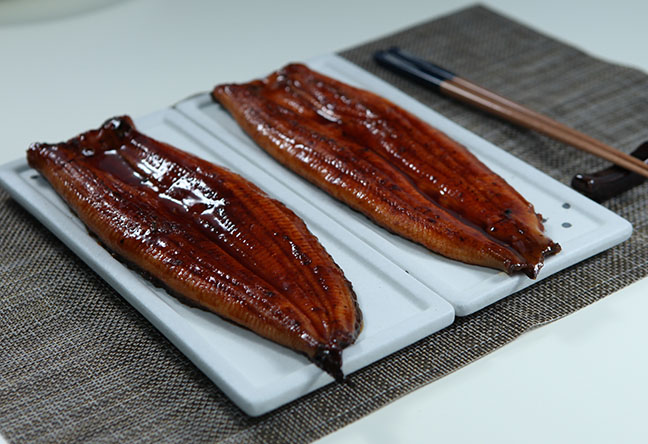
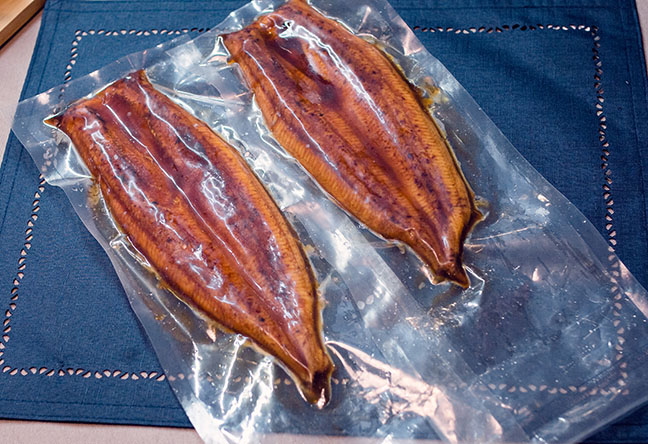
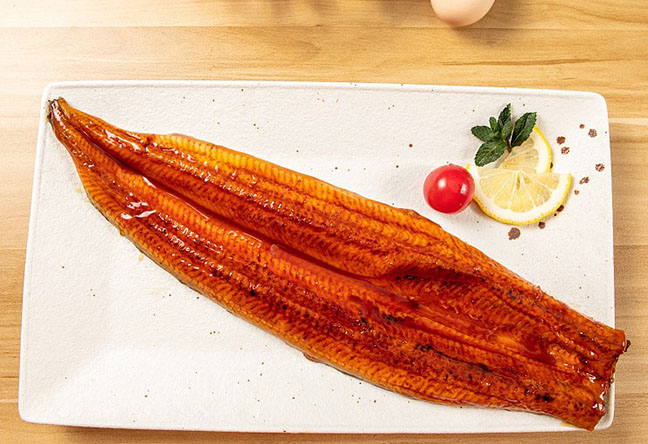
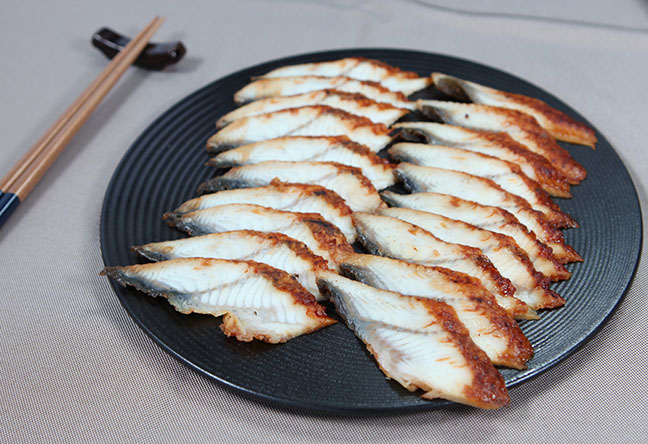
For faster restaurant service, add sliced cooked eel to dashi just before serving. Eelpro’s frozen unagi kabayaki is already grilled and seasoned, making it suitable for portioning into soup, rice bowls, noodles, or combination meals after thawing and reheating according to kitchen procedures.
Eel soup can take several forms on an overseas menu. A small kimosu serving pairs naturally with an unagi don set. It can also be served with grilled eel sushi, steamed rice, pickles, and green tea. For casual dining or colder weather, a noodle version makes the dish more substantial. Add soba, udon, or thin wheat noodles, then top with sliced eel and scallions.
An eel tasting set is another practical option. Serve a modest portion of kabayaki, a bowl of clear soup, rice, and seasonal vegetables. The soup introduces diners to the milder side of eel cuisine, particularly customers who know grilled fish but have never tried eel liver.
Clear menu wording matters. If customers are unlikely to recognize kimosu, describe it as “Japanese eel liver soup” and briefly list the main ingredients. When using eel meat instead of liver, “clear eel broth” or “eel noodle soup” is more accurate than kimosu. Precise descriptions help customers order confidently and simplify purchasing specifications for foodservice teams.
Flavor control is equally important. Some diners prefer a delicate dashi profile, while others expect a more pronounced soy flavor. Keep the main broth balanced and offer additional seasoning at the table where appropriate. Our guide to kabayaki sauce and eel menu pairing explains how sauce can support grilled eel without masking its natural character.
When sourcing eel for overseas foodservice, buyers should confirm the species, cut, cooking method, glaze level, packaging format, storage temperature, and required documentation. Frozen products help restaurants maintain consistent portions throughout the year while reducing the labor involved in processing whole eel in smaller kitchens.
For soup applications, ask whether the supplier can provide cooked eel portions, eel liver, or other frozen seafood suitable for broth-based dishes. Product format affects kitchen labor, yield, food safety procedures, and final presentation. A distributor may prefer standard-size kabayaki pieces, while a restaurant developing an eel noodle soup may need smaller, evenly sliced toppings.
Eel soup is worth trying because it reveals a quieter side of Japanese eel cuisine. It does not depend on a heavy glaze or a large serving. Instead, a clear broth, a few pieces of eel, and fresh garnish create a memorable starter with controlled food cost and a strong sense of tradition.
If you are developing an unagi menu, contact Eelpro about frozen unagi kabayaki, eel sauce, and frozen seafood for your market. You can also review our eel noodle soup preparation guide for another practical serving format.
Eel soup is a Japanese-style soup made with dashi broth and eel meat or eel liver. The traditional liver version is called kimosu or kimosui and is often served at unagi restaurants.
Simmer dashi with cleaned eel liver or cooked eel meat, season lightly with soy sauce and sake, and finish with green onion. Serve in a small bowl while hot.
A simple Japanese eel soup recipe uses approximately 600 ml dashi, 80 to 100 g cooked eel or a small portion of eel liver, light soy sauce, sake, and green onion. Keep the broth clear and season gradually.
Kimosoup is an English spelling used for kimosu or kimosui, the Japanese eel liver soup traditionally served with unagi meals. Spelling varies, but the dish refers to the same general preparation.



 WhatsApp
 sales@chinaeels.com
 +8619937922411