





This recipe unagi sauce guide covers the glossy, sweet-savory tare served with Japanese grilled eel. Known as unagi tare, the sauce is brushed over unagi kabayaki, spooned onto rice, and used to give grilled seafood, noodles, and vegetables a rich finish.
The classic formula is straightforward: soy sauce, mirin, sake, and sugar. After 15 to 20 minutes of gentle simmering, the liquid turns deep brown, shiny, and lightly syrupy. Make a small saucepan batch for dinner, or double it when you are serving several bowls of unagi don.
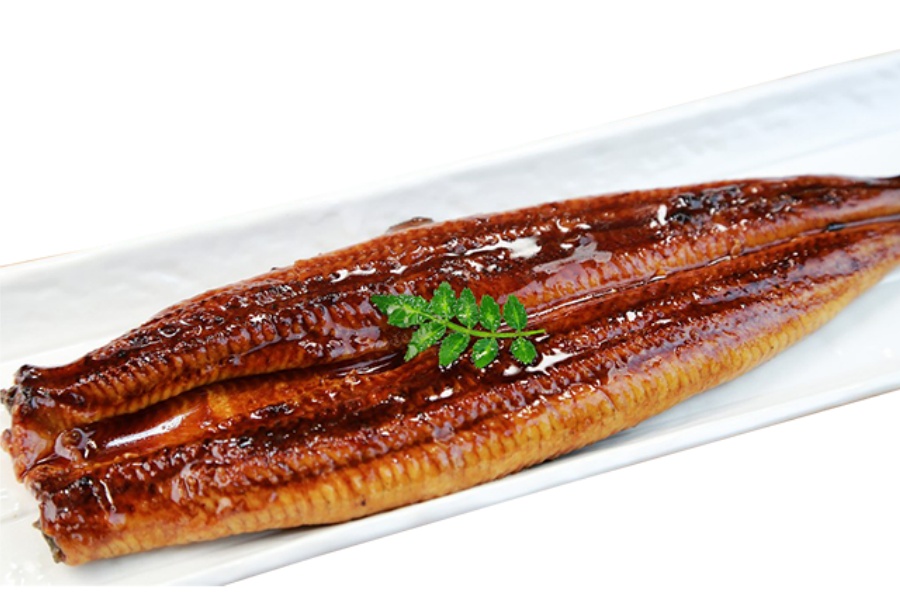
Unagi tare is the traditional sweet soy-based sauce associated with Japanese grilled eel. In Japanese cooking, “tare” describes a seasoned sauce used for dipping, glazing, or brushing onto food. With eel, it is applied during or after grilling so it lightly caramelizes on the surface without masking the fish.
You may also find it labeled as eel sauce or kabayaki sauce. The names often refer to closely related sauces, though the exact recipe varies by restaurant and manufacturer. Some versions contain dashi for extra umami, while others lean more heavily on mirin or sugar for a sweeter glaze.
The sauce is especially good with eel because it balances the fish’s rich, fatty texture. A little tare over steamed rice turns sliced kabayaki into a satisfying unagi don. Beyond eel, it works beautifully with grilled salmon, chicken, tofu, mushrooms, eggplant, and stir-fried vegetables.
This homemade eel sauce uses four pantry-friendly ingredients. A dependable starting ratio is 4 parts soy sauce, 2 parts mirin, 1 part sake, and 2 parts sugar.
This recipe makes roughly 200 to 250 ml after reduction, depending on your pan, heat level, and cooking time. The yield is lower than the starting volume because water evaporates as the sauce simmers.
If mirin is unavailable, use sweet cooking wine or add a little extra sugar to the sake. The flavor will be different, but the finished sauce will still work well for rice bowls and grilled seafood. For an alcohol-free version, replace the sake and mirin with water, extra sugar, and a small splash of rice vinegar. Add vinegar sparingly; too much can make the sauce taste sharp rather than rounded.
Low-sodium soy sauce is an option if you prefer a milder sauce, although it may need a slightly longer reduction or a small adjustment to the sugar. Do not add salt at the start. As the liquid reduces, every flavor becomes more concentrated.
Add the soy sauce, mirin, sake, and sugar to a small saucepan. Stir over low heat until the sugar dissolves. A heavy-bottomed pan is helpful here, particularly for a small batch, because it distributes heat more evenly and reduces the chance of scorching.
Bring the mixture to a gentle simmer, not a rolling boil. Leave the pan uncovered and cook for 15 to 20 minutes, stirring now and then. As it reduces, the sauce darkens from brown to a richer mahogany shade and develops a noticeable gloss.
Keep the heat modest. Sugar can catch quickly around the edge of a hot pan, especially once the sauce begins to thicken. If you notice dark residue on the bottom, take the pan off the heat and transfer the liquid to a clean saucepan before continuing.
The sauce is ready when it lightly coats the back of a spoon. While hot, it should still pour easily; it will thicken more as it cools. Do not wait until it looks as thick as honey in the saucepan. Over-reduced tare can become overly salty, sticky, and difficult to brush onto eel.
Allow the sauce to cool before pouring it into a clean, airtight container. Refrigerate it and use a clean spoon each time. Since this homemade preparation is not commercially processed, make only what you expect to use soon. Discard it if you notice mold, an unusual smell, or any unexpected change in appearance.
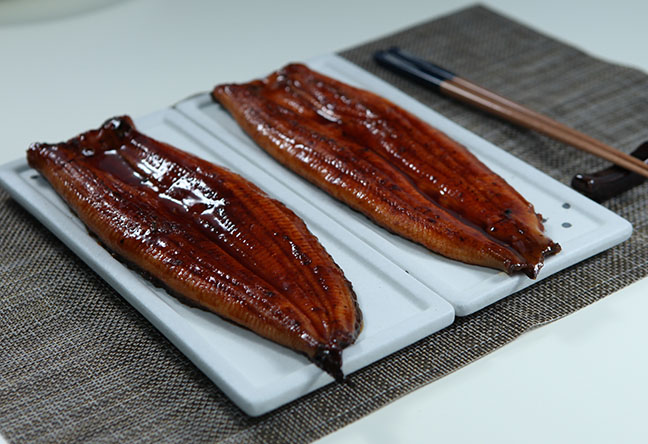
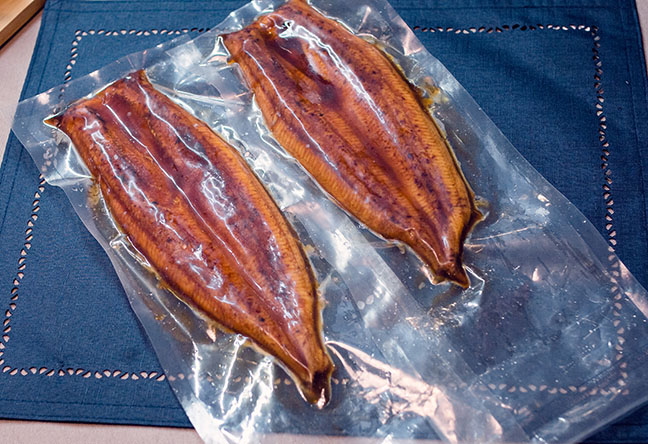
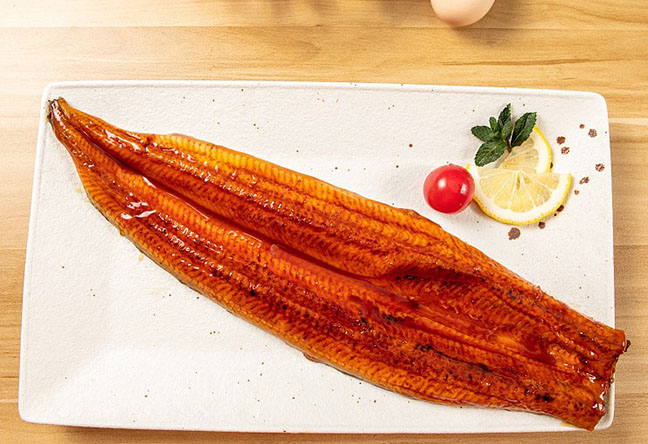
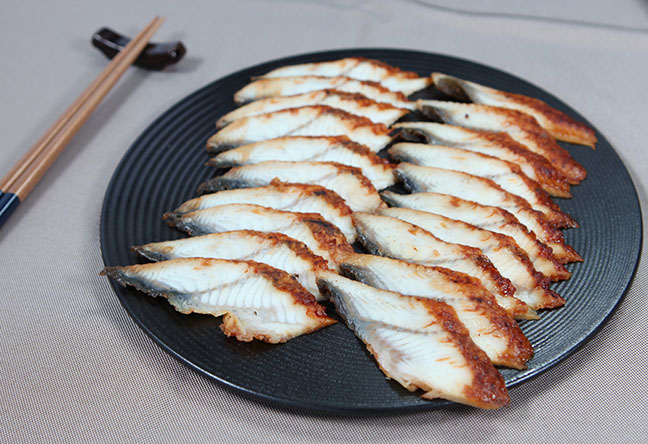
The classic use is with unagi kabayaki. Warm the grilled eel according to the package directions, brush on a thin layer of sauce, and place it over steamed Japanese rice. Finish with another small drizzle just before serving for the familiar style of unagi don.
For a deeper glaze, brush the sauce onto the eel during the final minutes of reheating. Two or three thin coats work better than one thick layer. They cling neatly to the fish and are less likely to burn under high heat.
You can also use the sauce in these dishes:
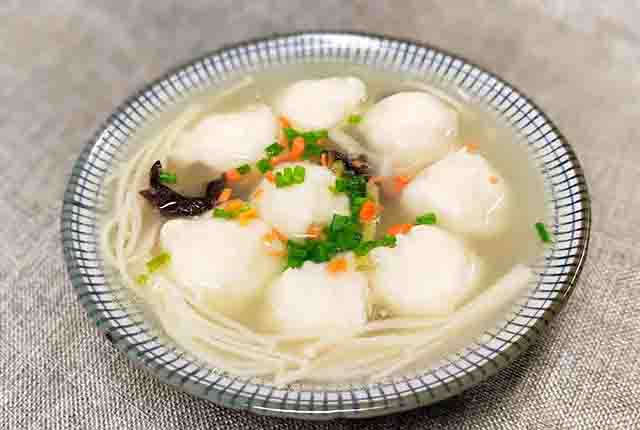
For another easy serving idea, see our guide to how to cook eel noodle soup. Used in moderation, the same sweet-savory profile adds depth to a light noodle broth.
Making an eel sauce recipe at home gives you control over sweetness, saltiness, and thickness. You can reduce the sugar for a less sweet finish or add a little dashi for extra savory depth. It is a practical choice when you only need a few tablespoons for a family meal.
There are a few tradeoffs. Homemade sauce takes time to reduce, requires refrigeration, and may vary from batch to batch. Pan width, heat level, and simmering time all affect the final concentration.
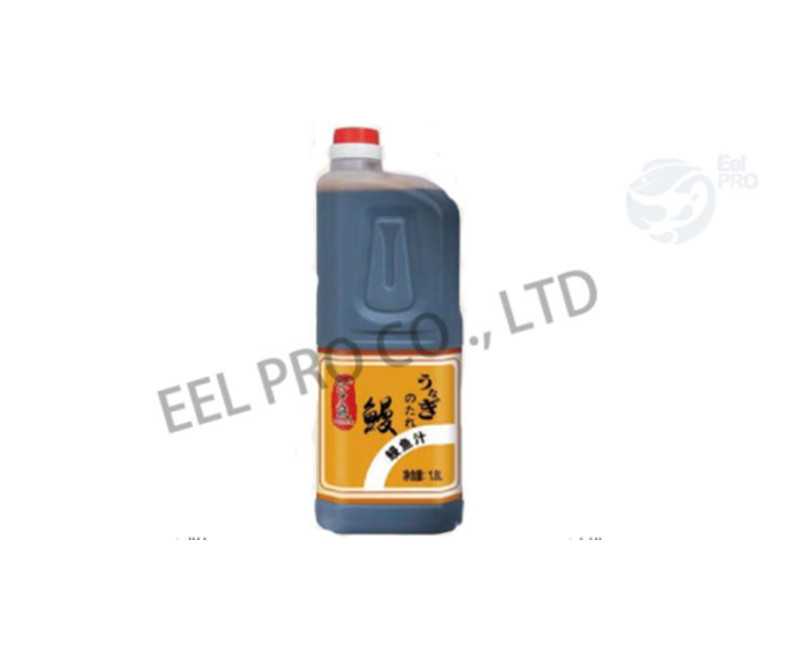
For restaurants, caterers, and food distributors, ready-made sauce provides consistent flavor and simpler kitchen operation. Eelpro supplies prepared eel sauce for foodservice and export buyers. It can be paired with frozen unagi kabayaki when a kitchen needs repeatable portions during busy service.
When comparing commercial products, review the ingredient list, packaging format, salt level, and serving instructions. A thicker sauce is often better for brushing and glazing, while a thinner version may be easier to drizzle over rice or stir into broth.
Serve warm eel over warm rice. Cold rice can make the sauce seem heavier, while overheated eel may dry out. A brief warming period followed by a thin coating of tare usually gives better results than prolonged cooking over high heat.
Shichimi togarashi, sansho pepper, toasted sesame seeds, and shredded nori all pair naturally with unagi. Sansho is particularly popular because its citrusy pepper note cuts through the richness of the eel and sweet glaze.
For larger foodservice orders, Eelpro offers frozen unagi kabayaki for overseas buyers. Use a homemade tare for small-scale testing, then compare it with our prepared eel sauce when planning restaurant or distribution volumes. Our article on kabayaki sauce flavor and application provides more background for menu development.
Combine soy sauce, mirin, sake, and sugar in a saucepan. Simmer gently for 15 to 20 minutes until the mixture becomes darker, glossy, and slightly syrupy. Let it cool before serving or storing.
The main unagi sauce ingredients are soy sauce, mirin, sake, and sugar. Some recipes add dashi, while alcohol-free versions use water and adjusted sugar with a small amount of rice vinegar.
They are often very similar. Both usually contain soy sauce and sugar, with a sweet-salty flavor suited to grilled eel. The exact ratio, thickness, and use of dashi can vary by recipe or supplier.
Yes. Try it on grilled chicken, salmon, eggplant, mushrooms, tofu, noodles, or steamed rice. Add it near the end of cooking so the sugar does not burn.
This japanese sauce recipe is a useful home-cooking foundation: four parts soy sauce, two parts mirin, one part sake, and two parts sugar, reduced gently until glossy. Adjust the balance to suit your eel, rice, and preferred serving style.
For a quick meal, prepare the sauce with frozen kabayaki. For restaurant service or import distribution, contact Eelpro to discuss our frozen eel, ready-made eel sauce, and other frozen seafood products.


 WhatsApp
 sales@chinaeels.com
 +8619937922411