





A steaming bowl lands on the table: tender eel, fragrant broth, and perhaps a spoonful of rice on the side. But is it eel soup or eel stew? The distinction goes beyond how much liquid is in the bowl. Cooking time, eel cuts, seasoning, texture, and the intended dining experience all play a part.

For home cooks, the choice changes the recipe. For foodservice buyers and importers, it can also shape product specifications, portion planning, packaging, and menu descriptions. A delicate broth requires a different eel format than a thick, boldly seasoned stew.
In everyday cooking, soup usually has a higher proportion of liquid. The broth is central to the dish, while the eel may be served in bite-size pieces, slices, or fillets. Stew typically contains less free liquid, has a thicker consistency, and cooks longer so the sauce can cling to the eel and accompanying ingredients.
These are useful kitchen distinctions rather than fixed legal definitions. Restaurants and food cultures do not always use the terms in the same way. A dish described as soup in one market may look more like a stew elsewhere. Even so, the comparison below is helpful when developing a menu or choosing frozen eel products.
| Feature | Eel soup | Eel stew |
|---|---|---|
| Liquid | Broth is plentiful and easy to sip | Less liquid, often thicker or reduced |
| Cooking aim | Keep the broth clean and the eel tender | Concentrate seasoning and soften ingredients |
| Typical texture | Light, moist, and spoon-friendly | Dense, saucy, and more substantial |
| Common service | Starter, noodle dish, rice accompaniment, or light main | Main course served with rice, vegetables, or bread |
For a basic eel soup, begin with a clean, well-seasoned broth. Fish stock, chicken stock, kombu, ginger, garlic, scallions, and vegetables are all common starting points. If the eel is already cooked, add it near the end. That helps preserve its texture and keeps the pieces from falling apart.
Raw freshwater eel needs a different approach. Because eel has distinctive skin and fine bones, it should be professionally cleaned and cut before cooking. Simmer the pieces gently in the broth until the flesh is opaque and tender. For raw eel soup, a practical guide is often around 10–20 minutes of gentle simmering, depending on the thickness of the pieces. Skip the hard boil. Vigorous bubbling can cloud the broth and break up delicate eel flesh.
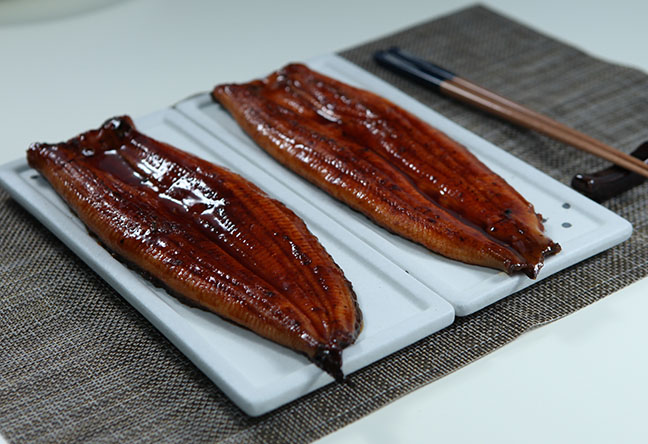
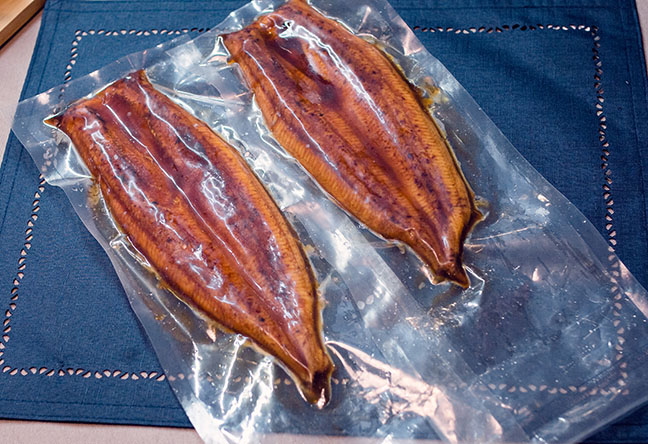
Pre-cooked frozen unagi kabayaki takes far less time. Thaw it according to the product instructions, warm it separately, then add it to the finished broth for roughly 2–4 minutes. That is usually enough to bring the eel to serving temperature without losing its grilled flavor.
For a Japanese-style unagi soup, you might use dashi, soy sauce, ginger, mitsuba, mushrooms, or cooked rice. A noodle version can feature wheat noodles, rice noodles, or soba, depending on the menu. Our eel recipes provide another practical direction for turning eel into a warming noodle dish.
Stew needs more time for its sauce and supporting ingredients to come together. The eel may be browned, braised, or simmered with onions, tomatoes, peppers, potatoes, mushrooms, or leafy greens. In some recipes, the sauce is reduced until it coats the fish. In others, the eel cooks slowly in a seasoned liquid that is served over rice.
A stew made with raw eel may need approximately 20–40 minutes of gentle cooking, depending on the cut and the other ingredients in the pot. Follow the recipe and applicable food-safety requirements for exact timing. If you are using cooked eel, add it later, as you would in soup. Long simmering can make kabayaki overly soft and cause its glaze to dissolve into the sauce.
Seasoning is often more assertive in stew. Soy sauce, fermented bean paste, chili, tomato, black pepper, rice wine, or a sweet-salty eel sauce can all fit the dish. For a ready-to-serve Japanese flavor profile, our eel sauce works as a finishing glaze or can be stirred into a braising liquid. Add it gradually. Kabayaki sauce contains sweetness, and too much can make the finished dish feel heavy.
Soup creates contrast. The broth is thin or only lightly thickened, while the eel brings a rich, soft bite. Ginger, citrus peel, scallions, or fresh herbs can balance the natural fat of the fish. The result is warming and satisfying without necessarily feeling heavy.
Stew is more concentrated. During the longer cooking process, the eel takes on the surrounding seasoning and the sauce remains on its surface. The mouthfeel is fuller, too. Vegetables soften, and each spoonful may include fish, sauce, and a side ingredient together.
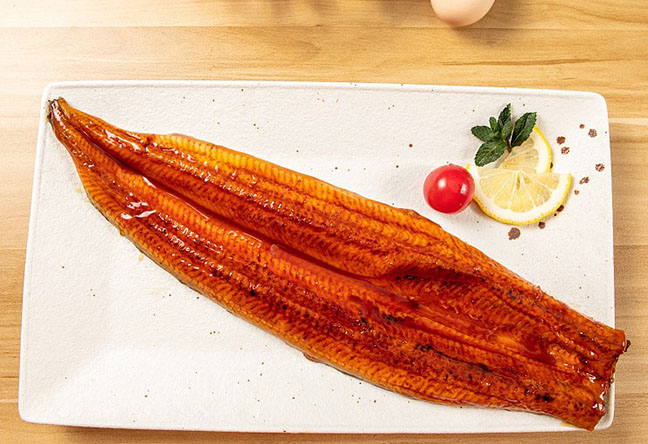
Flavor also changes depending on whether the eel is grilled before it goes into the pot. Kabayaki is traditionally prepared by grilling eel with a sweet soy-based tare. It adds smoky notes, caramelized sweetness, and a glossy finish. You can learn more about that flavor profile in our article on kabayaki sauce.
For buyers, the distinction is important. If your menu promises a clear broth, choose eel with a clean flavor and a cut that will stay intact. If the recipe relies on a dark, reduced sauce, pre-grilled kabayaki may offer a faster path to consistent results.
The phrase unagi soup often refers to a soup made with Japanese-style freshwater eel, particularly when it is served with dashi, soy seasoning, rice, or noodles. It does not always refer to one standardized recipe. The same is true of Asian eel soup, which can include widely different regional ingredients and cooking styles.
Across East and Southeast Asian cooking, eel may be paired with ginger, garlic, rice wine, chili, herbs, vegetables, or noodles. Some broths are clear and aromatic. Others are dark, spicy, or lightly thickened. The eel may be grilled first, poached directly in the broth, or braised separately before serving.
A seafood soup with eel may also include shrimp, squid, clams, fish, tofu, or seaweed. When combining several types of seafood, add them in stages. Shellfish and squid cook at different rates from eel. A useful kitchen sequence is to make the broth first, cook firm vegetables next, add raw eel according to its thickness, and finish with quick-cooking seafood and fresh herbs.
For restaurant menus, describe the preparation clearly. “Ginger eel noodle soup” tells guests to expect a broth-based bowl. “Braised eel with vegetables” signals a thicker sauce and a main-course portion. Clear menu language helps customers know what to expect before the first bite.
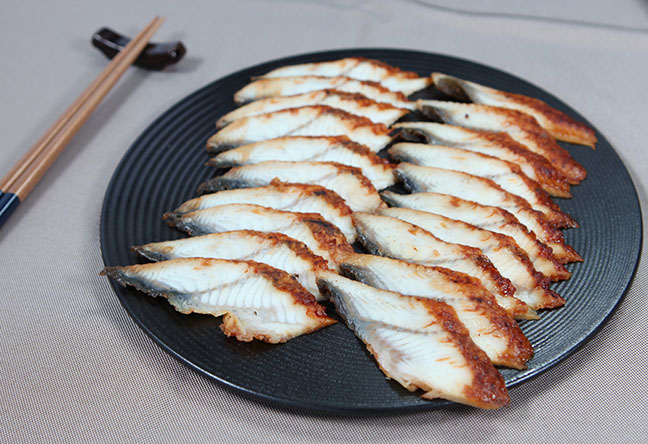
Boneless or carefully deboned fillet pieces are convenient for soup and noodle service. They are easy to portion and comfortable to eat with a spoon or chopsticks. Medium-thickness cuts usually give a good balance of tenderness and shape retention.
Tail pieces are often leaner and can be useful when you want a firmer bite. Belly sections contain more fat and can create a richer mouthfeel. They are excellent in a hearty soup, though they may release more oil into a delicate clear broth.
Pre-cooked kabayaki portions are a practical choice when speed and consistency matter. They work especially well in noodle soup, rice bowls with broth, and quick-service menus. Warm them first, then cut into portions rather than simmering them for an extended time.
When selecting frozen freshwater eels, ask about the species, cut size, cooking status, glaze, packing method, and recommended storage temperature. In foodservice, consistent piece weight matters just as much as flavor because it supports predictable food cost and reliable portion control.

For clear soup: choose clean-tasting eel pieces, a mild glaze, or unseasoned freshwater eel. Keep the broth at a gentle simmer rather than a rolling boil.
For noodle soup: use boneless fillet portions or sliced kabayaki. Add the eel after the noodles and broth are ready.
For stew: choose pieces that can tolerate longer cooking, or add cooked kabayaki during the final minutes.
For a strong sauce: balance sweetness with ginger, rice vinegar, chili, or citrus. Taste before adding extra soy sauce.
For frozen products: thaw safely under refrigeration when possible, maintain cold-chain controls, and follow the supplier’s handling instructions.
Avoid this common mistake: do not treat raw eel and pre-cooked kabayaki as interchangeable. Raw eel needs full cooking, while kabayaki only needs reheating. Cooking both for the same amount of time can leave one undercooked and turn the other overly soft.
Freshwater eel has a long culinary history across several regions, including Europe and Asia. In England, jellied eels became closely associated with traditional London food culture. In Japan, unagi is widely linked with grilled kabayaki served over rice. The cooking method can change the flavor dramatically, even when the main fish is similar.
Choose soup when the broth is part of the selling point. It suits lunch menus, noodle counters, smaller starters, seasonal specials, and dishes designed to feel light while still satisfying.
Choose stew when you want a stronger centerpiece. It pairs well with steamed rice, mashed vegetables, noodles, or crusty bread. Stew also gives chefs more room to work with bold sauces and additional vegetables.
For high-volume foodservice, a two-format approach can be especially practical. Use frozen unagi kabayaki for fast soup and rice-bowl assembly, then use freshwater eel pieces for made-to-order braises. This keeps preparation manageable while giving customers two clearly different eel experiences.
Eel soup usually contains more liquid and highlights the flavor of the broth, while eel stew generally has less liquid, a thicker sauce, and a longer cooking time. The terms can vary by region, so the recipe and serving style matter more than the label alone.
Eel soup is typically prepared by making a seasoned broth, then adding cleaned raw eel or reheating cooked eel near the end. Raw eel may need around 10–20 minutes of gentle simmering, while cooked kabayaki often needs only 2–4 minutes to warm through. Keep the heat moderate to protect the texture and keep the broth clear.
Boneless fillet pieces and medium-thickness portions are usually the easiest to use. Tail pieces provide a firmer bite, while belly sections add more richness. Pre-cooked kabayaki portions are convenient for noodle soup and quick-service applications.
Yes. Add kabayaki during the final stage, usually just long enough to heat it through. Its sweet soy glaze can season the stew, but taste before adding more sugar or soy sauce. A long boil may break down the eel and dilute its grilled flavor.
Yes, especially when portions, cooking status, and storage requirements are consistent. A ready-to-heat kabayaki portion can support fast service, while raw freshwater eel is useful for recipes prepared from the base up. Confirm product specifications with your supplier before finalizing the menu.
Eel soup is broth-led, lighter, and often served with noodles, rice, herbs, or vegetables. Eel stew is thicker, more concentrated, and usually built as a substantial main course. Neither is automatically better. The right choice depends on the texture, flavor, service speed, and portion size your menu requires.
Eelpro Co., LTD supplies frozen unagi kabayaki, eel sauce, frozen seafood, and freshwater eels for overseas buyers and foodservice businesses. Explore our unagi kabayaki products, then try both styles in your kitchen. Which do you prefer—an aromatic bowl of soup or a rich, saucy stew? Share your idea in the comments, or contact us to discuss suitable eel cuts and product formats.



 WhatsApp
 sales@chinaeels.com
 +8619937922411