





A glossy slice of grilled eel lands on a bowl of hot rice, brushed with sweet soy sauce. It may look familiar, but is it unagi or anago? The two names are not interchangeable.
For diners, the difference comes down to flavor and texture. For restaurant buyers, it also shapes product specifications, menu descriptions, and customer expectations. In this guide, we explain the unagi meaning, compare unagi with anago, and cover the eel products commonly supplied to homes, restaurants, and foodservice kitchens.
Unagi is the Japanese word commonly used for freshwater eel. In Japanese cuisine, it usually refers to eels in the genus Anguilla, especially the Japanese eel, Anguilla japonica. Depending on the market, the term may also be used for related freshwater eel species, including European eel or American eel, when prepared in the same culinary style.
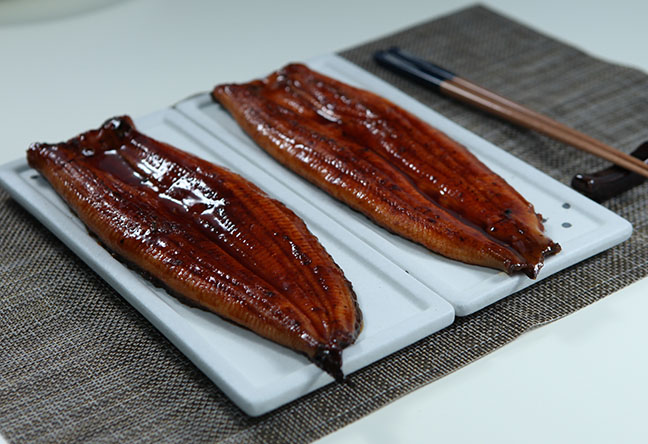
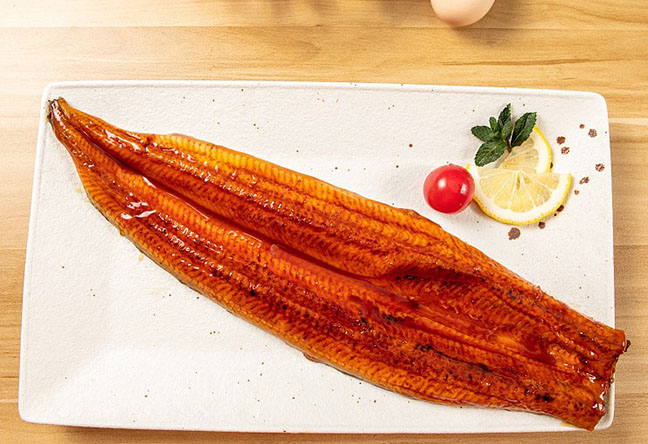
The simplest answer to “what is unagi” is this: unagi is freshwater eel prepared as food, often grilled and served with a sweet soy-based sauce. Its best-known preparation is unagi kabayaki. The eel is filleted, cut into portions, coated with tare, and grilled until the surface turns glossy and lightly caramelized.
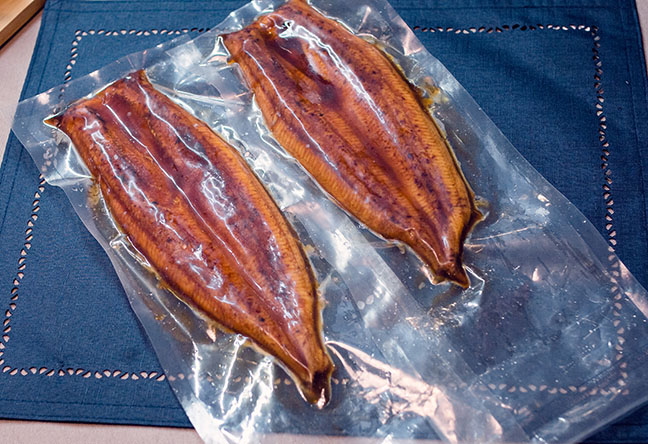
Unagi is not one specific cut or a single product format. It may be sold as whole eel, fillets, skin-on portions, grilled kabayaki, or frozen ready-to-heat pieces. For foodservice, frozen unagi kabayaki is particularly convenient because the eel has already been cleaned, cut, cooked, and sauced. It can be portioned for rice bowls, sushi menus, bento, donburi, and mixed seafood dishes.
Japanese eel terminology can be confusing because the names identify different types of eel, not simply different cooking methods.
Unagi generally means freshwater eel. On menus and in grocery products, it most often refers to grilled freshwater eel served with tare. The word is widely recognized by Japanese food lovers around the world, so restaurants may use “unagi” even when the exact Anguilla species is not listed.
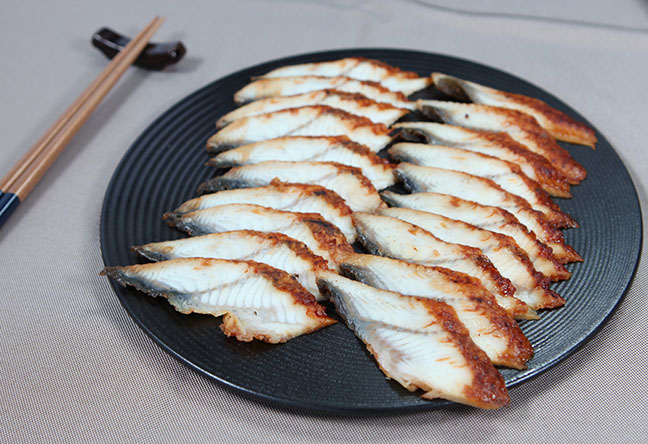
Anago usually means conger eel, especially ma-anago, or Conger myriaster. Unlike unagi, anago is a marine eel associated with coastal waters. It is also common in Japanese cuisine and may be simmered, grilled, fried as tempura, or served on sushi.
Kabayaki describes a preparation style rather than a species. The eel is opened, deboned, cut into pieces, and grilled while being brushed with a sweet soy-based sauce. Unagi is the eel most closely associated with kabayaki, but kabayaki itself refers to the cooking and seasoning method.
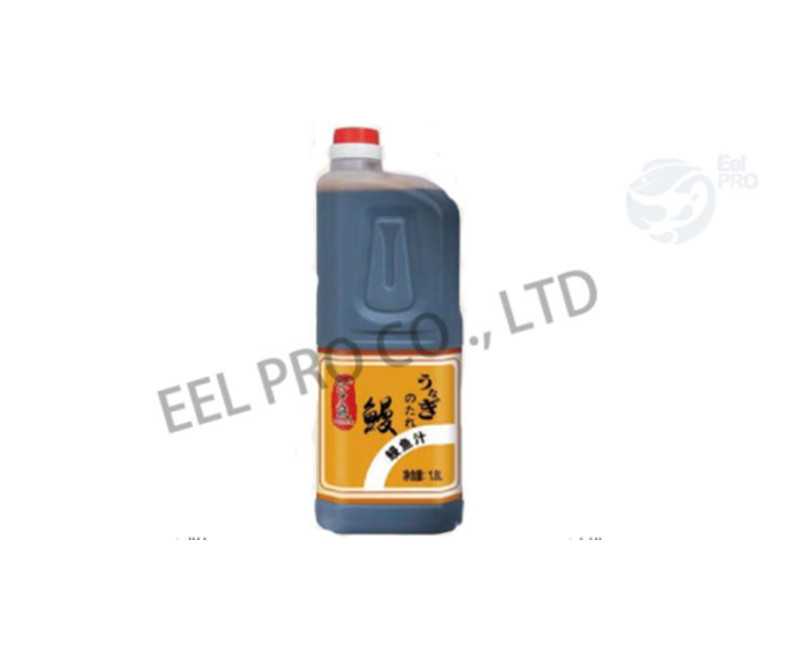
Unagi tare is the thick sauce used with grilled eel. It commonly includes soy sauce, sugar, mirin, or similar sweet seasoning ingredients. Recipes vary by producer. A good tare should complement the eel’s savory flavor rather than bury it under too much sweetness.
For a closer look at the sauce used in this style of cooking, see our guide to kabayaki sauce. We discuss how sauce consistency, sweetness, and grilling influence the finished dish.
The difference between unagi and anago starts with biology and habitat, then carries through to the kitchen.
| Feature | Unagi | Anago |
|---|---|---|
| Common meaning | Freshwater eel | Conger eel |
| Typical scientific group | Anguilla, including Japanese eel | Conger, including ma-anago |
| Typical habitat | Grows mainly in rivers, lakes, and freshwater areas | Lives mainly in marine and coastal waters |
| Texture | Rich, soft, and often pleasantly fatty | Lighter, softer, and generally less oily |
| Common preparations | Kabayaki, rice bowls, sushi, grilled portions | Sushi, tempura, simmered dishes, grilled preparations |
These distinctions are useful in the kitchen, but they are not absolute. Species, season, size, processing, and cooking method all affect the final result. A thick unagi fillet can feel very different from a small portion, and sauce coverage and grilling time can also change the flavor.
On restaurant menus, the clearest approach is to name the product precisely. “Grilled unagi kabayaki” tells customers to expect rich freshwater eel with a sweet-savory glaze. “Anago sushi” signals a lighter marine eel with a different traditional profile.
Unagi is generally described as freshwater eel, although its life cycle is more complex than that label suggests.
Japanese eel is a migratory fish. Adult eels live and grow in freshwater rivers, lakes, and connected coastal areas, then travel to the ocean to reproduce. Their young return toward freshwater habitats, where they develop before eventually moving back to the sea. This life cycle is called catadromy: the fish grows in freshwater but reproduces in the ocean.
So, the practical answer is: unagi is a freshwater-grown eel, although it spends part of its life in the sea. Calling it simply a “saltwater eel” is misleading. Anago, by comparison, is normally associated with marine or coastal environments throughout its food-market life.
This is why the term “freshwater eel” matters in product descriptions. It helps buyers distinguish unagi from conger eel, even when both are sold as boneless fillets or grilled portions.
Unagi is known for its deep, savory flavor and soft, rich texture. Its natural fat responds well to direct grilling. When the surface is brushed with tare, the sauce catches the heat and forms a glossy coating. The result is sweet, salty, smoky, and full-bodied.
Anago tends to be lighter and more delicate. It is often described as tender and flaky, with less oiliness than unagi. That makes it a natural fit for sushi, tempura, and dishes where the eel should not overpower the other ingredients.
Texture is not determined by species alone. Preparation matters too. An overcooked eel fillet may turn dry, while gentle reheating helps a cooked portion stay soft. For frozen kabayaki, follow the supplier’s package instructions. As a general kitchen check, reheated seafood should reach an internal temperature of 74°C / 165°F when food safety procedures require that standard.
For frozen products, thawing in a refrigerator for approximately 8–12 hours can help the portion heat more evenly. Do not judge readiness by sauce color alone. The center should be hot, and the flesh should separate easily with a fork.
Why is unagi used in Japanese cuisine? Its flavor is a major reason. The eel’s natural richness pairs well with rice, soy sauce, sugar, and mirin-style seasonings. Grilling brings out a roasted aroma, while tare delivers the familiar sweet-savory finish.
Unagi also carries a strong cultural association. Eel dishes have long been linked with summer eating in Japan, particularly the custom of eating eel on Doyo no Ushi no Hi, or the Day of the Ox. The tradition is often connected to the idea of eating nourishing, energy-giving foods during hot weather. That history has helped keep unagi a special menu item rather than an everyday protein for many diners.
In modern kitchens, unagi is valued for its flexibility. A single cooked fillet can be portioned over steamed rice, added to sushi, placed in a bento box, or served with vegetables. Foodservice teams also value the consistency of prepared portions. Much of the cooking work is already complete, leaving the kitchen to focus on thawing, reheating, portion control, and presentation.
Freshwater eel may be sold whole, cleaned, or filleted. Whole eel requires specialist handling because the bones, skin, and preparation method need careful attention. For most home cooks and restaurant kitchens, fillets are easier to work with.
Frozen unagi kabayaki is a prepared eel fillet that has been grilled and seasoned. It is often packed as whole fillets, half fillets, or portion cuts. The product can be reheated for rice bowls, sushi toppings, bento, and plated dishes.
When comparing products, check the fillet size, skin-on or skinless format, sauce coverage, bone removal, glazing, packaging, and storage instructions. These details affect yield and service speed. A kitchen serving fixed-size rice bowls may prefer consistent portion cuts, while a chef creating plated dishes may need larger fillets.
You can view our frozen unagi kabayaki product information for a practical example of this format.
Eel sauce, also called unagi tare, is sold separately for kitchens that want to control the final level of seasoning. It can be used for grilled eel, rice bowls, sushi toppings, vegetables, and other savory dishes. A thick sauce is easier to brush onto eel, while a thinner sauce may be better for drizzling.
Our eel sauce page provides more information for buyers comparing sauce products.
Unagi may also appear alongside shrimp, squid, salmon, mussels, and other seafood on mixed foodservice menus. Precise menu descriptions help customers understand what they are ordering. “Freshwater eel kabayaki” is clearer than “eel” alone when diners may not know Japanese terminology.
Do not use unagi and anago as synonyms. They refer to different eel groups and usually offer different textures.
Check whether a product is cooked. Kabayaki is normally a prepared grilled product, while raw freshwater eel requires specialist cooking.
Ask about bones. Commercial eel is commonly deboned, but buyers should confirm the specification rather than assume every product is completely bone-free.
Compare sauce separately from eel. Heavy glazing can make two products look similar even when their fillet sizes and yields differ.
Read the storage instructions. Keep frozen products frozen until planned thawing, and follow the package’s reheating guidance.
Key fact: the word “eel” covers several unrelated fish groups. Freshwater eels in the genus Anguilla are not the same as conger eels in the genus Conger. Their long, snake-like bodies make them look similar, but their biology and culinary uses differ.
Unagi kabayaki is most familiar over rice, where the sauce blends into the warm grains. It also works in sushi rolls, hand rolls, bento boxes, and donburi. A small portion can provide a rich centerpiece without requiring a complicated kitchen setup.
Anago is often chosen when a menu calls for a softer, lighter eel profile. It may be served as sushi or tempura, where its delicate texture pairs well with rice, seaweed, or crisp batter.
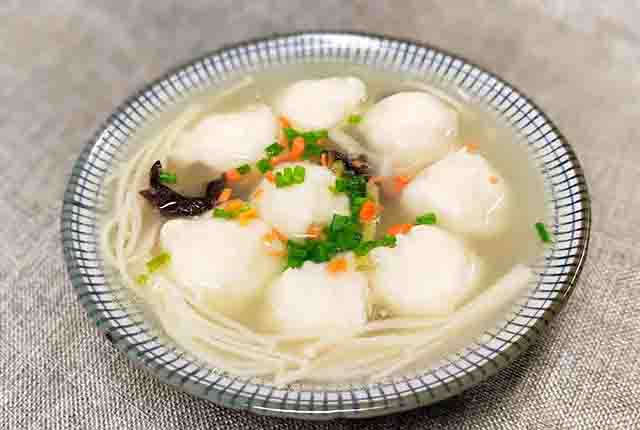
If you are looking for serving ideas beyond a rice bowl, our collection of eel recipes includes an eel noodle soup preparation. The same product knowledge still applies: identify the eel type, check whether it is already cooked, and adjust reheating for the portion size.
Unagi usually means freshwater eel from the genus Anguilla, especially Japanese eel. Anago usually means marine conger eel, particularly ma-anago, or Conger myriaster. Unagi is typically richer and more oily, while anago is often lighter and more delicate. Both are used in Japanese cuisine, but they are not the same fish.
Unagi is generally classified as freshwater eel because it grows mainly in freshwater or connected inland waters. However, it migrates to the ocean to reproduce. The most accurate description is “freshwater-grown eel with a marine reproductive life cycle.” Anago is normally associated with marine and coastal waters.
Unagi has a rich flavor and tender texture that respond well to grilling and sweet-savory tare. It pairs naturally with rice and appears in dishes such as kabayaki, unadon, sushi, and bento. Its long history in Japanese food culture, including summer eel traditions, has also made it a valued specialty ingredient.
No. Tare is common, especially with kabayaki, but unagi can also be grilled with lighter seasoning or used in sushi and other dishes. The sauce is a preparation choice, not the definition of the eel itself.
Check the species description, fillet size, portion format, deboning specification, sauce coverage, storage conditions, and reheating instructions. For foodservice, consistent sizing and clear packaging information can make portion planning easier.
Unagi means freshwater eel in Japanese food terminology, while anago generally means marine conger eel. The two may look similar, but their habitat, species, flavor, texture, and common uses are different. Once you understand that distinction, menu descriptions and product choices become much clearer.
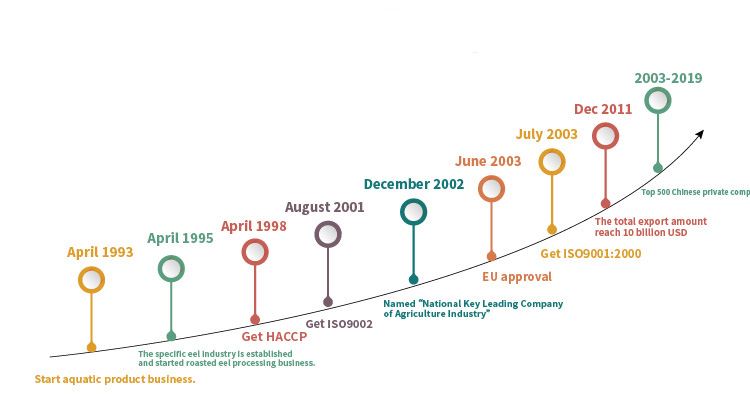
Eelpro Co., LTD supplies frozen unagi kabayaki, eel sauce, freshwater eels, and frozen seafood for international buyers and foodservice kitchens. Explore our product pages, compare the available formats, and share your favorite unagi or anago dish in the comments.


 WhatsApp
 sales@chinaeels.com
 +8619937922411