





A steaming bowl lands on the table: clear broth, a faintly sweet aroma, and tender pieces of eel just below the surface. Is it a Japanese soup, a regional comfort food, or a modern seafood menu item? Eel soup can be all three. The broth often reveals where its story starts.

For home cooks, eel soup offers an appealing way to use freshwater eel beyond grilled preparations. For restaurants and foodservice buyers, it is a flexible seafood category with several workable formats: whole cleaned eel, portioned fillets, cooked unagi, eel bones for stock, and ready-to-use sauces. The best option depends on the desired texture, serving style, prep time, and target price point.
At its most basic, eel soup is a soup or broth-based dish where eel is the main seafood ingredient. The eel may be simmered directly in the liquid, grilled before it is added, or used primarily to make stock from bones and trim. The finished bowl can be light and delicate, or dark, sweet, and deeply seasoned.
There is no single international definition of eel soup. In Japan, a clear soup served with an eel meal may contain eel liver or small garnishes. Some restaurants also prepare soup from eel bones. Elsewhere, eel may be stewed with vegetables, herbs, spices, or a richer stock. Modern Asian restaurants sometimes use the term unagi soup for a Japanese-inspired dish, even when the preparation differs from a traditional Japanese soup.
That range is an advantage for chefs. It makes it easier to shape the dish around the menu. A light soup can introduce eel to guests who find grilled eel too rich, while a heartier broth with noodles, rice, mushrooms, or leafy greens can become a satisfying main course.
A clear eel broth usually relies on restrained seasoning. Salt, light soy sauce, ginger, scallion, mushrooms, or citrus may appear, depending on the regional style. The aim is simple: keep the aroma clean and let the eel come through.
This approach suits delicate eel portions. Skin-on pieces add richness, while boneless fillet gives diners a tidier, easier bite. For a starter, smaller portions work well. A restaurant might serve a few slices in a small bowl with spring onion and a light garnish.
For buyers, broth clarity is an important visual consideration. A cloudy broth is not necessarily a quality issue, but it often points to a different method, such as vigorous simmering, emulsified fat, or stock made from roasted bones. Product specifications should clarify this before the menu is finalized.
Eel bones, heads, and trim contain collagen, fat, and deep savory flavor. Simmered carefully, they create a fuller eel broth with more body than a standard seafood stock. Roasting the bones first adds toasted notes, while a gentler simmer produces a cleaner profile.
This style suits noodle shops, rice bowl concepts, and casual restaurants looking for a soup with more substance. It pairs naturally with wheat noodles, rice noodles, tofu, daikon, mushrooms, or bok choy. Once chilled, the broth may become slightly gelatinous. That is a normal result of collagen-rich stock, not a defect.
There is one practical consideration: bones must be strained thoroughly. Tiny bones can remain in the liquid after cooking, so commercial kitchens should use a fine filter and provide clear handling instructions. For ready-to-serve applications, boneless eel portions added to a separately prepared broth may be more efficient.
Some eel soup versions use soy sauce, rice wine, ginger, garlic, chili, or a sweet-savory eel sauce. The result is closer to a braised seafood dish than a plain consommé. Served with rice, noodles, or vegetables, this style often appeals to customers who prefer bolder seasoning.
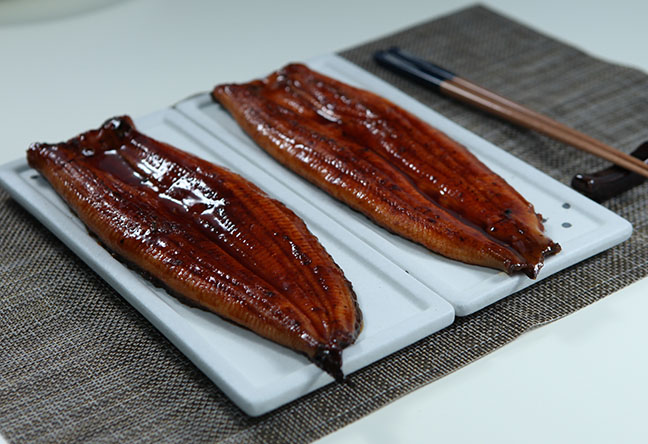
Here, product format matters most. A cooked portion of unagi kabayaki already brings grilled flavor and sauce to the bowl. Cut into strips and added near the end of service, it helps the kitchen control texture while reducing cooking time. For sauce-forward menus, buyers can also review Eelpro’s eel sauce product as a seasoning component.
Eel is naturally rich. The skin can become soft with a pleasant chew, while the flesh turns tender when handled carefully. Several factors shape the final texture:
Fresh or frozen raw eel: This format gives chefs control over the cooking method, but it requires cleaning, portioning, and thorough cooking.
Cooked unagi: Convenient for portion control and quick service. Gentle reheating helps keep the flesh intact.
Bone and trim: Useful for stock, provided the liquid is strained carefully.
Skin-on or skinless portions: Skin-on eel offers a richer mouthfeel; skinless pieces suit diners who prefer a cleaner bite.
Thickness of the fillet: Thicker portions hold their shape better in soup, while thin slices soften faster.
Temperature matters, too. A soup left at a hard boil after the eel is added can cause the fish to flake apart and may make the broth oily. In our experience, a gentle simmer around 85–95°C is better for reheating tender eel portions than a rolling boil. Exact procedures depend on product specifications and local food-safety rules, but the principle remains the same: heat the soup fully, then handle the eel gently.
For cooked frozen eel, follow the supplier’s storage and heating instructions. Keep frozen products at −18°C or below where required by the product specification, avoid repeated thawing and refreezing, and record lot information for foodservice traceability. These operational details matter just as much as flavor when evaluating a product for regular menu use.
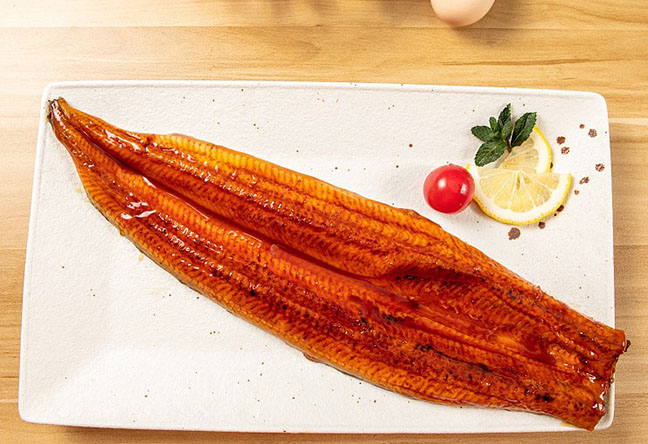
In Japan, unagi is most closely associated with grilled eel, particularly kabayaki: eel brushed with a sweet soy-based sauce and cooked until glossy. Soup may be served alongside an eel rice bowl or as a small supporting course rather than the main event.
One familiar example is kimosui, a clear soup traditionally served with an eel meal and often containing eel liver. It is a small, refined course with savory broth and a modest garnish. That experience is very different from a large bowl of noodle soup. The distinction matters when adapting a Japanese-inspired menu for overseas diners: “unagi soup” may suggest either a light accompaniment or a substantial modern entrée.
The balance is intentional. Eel brings fat and natural sweetness, so ginger, mitsuba, scallion, citrus peel, or light soy seasoning may be used to keep the bowl from feeling heavy. A few slices of grilled eel can also contribute a roasted aroma that plain simmered eel cannot provide.
Be specific in the menu description. “Clear soup with grilled freshwater eel, ginger, and scallion” tells diners far more than “traditional eel soup.” If liver is included, say so. If the eel is boneless, that is useful information as well.
When evaluating seafood soup products, buyers should start with the intended menu application. A hotel breakfast buffet, Japanese restaurant, ramen shop, and retail meal kit each require a different product format.
What is the raw material? Confirm whether the product uses freshwater eel, the species or commercial designation, and whether it is wild-caught or farmed.
Is it raw or cooked? Raw portions offer cooking flexibility, while cooked portions can shorten service time and improve consistency.
Are bones present? This affects customer experience, kitchen labor, and menu wording.
What is the portion size? Standardized cuts make it easier to price each bowl and manage food cost.
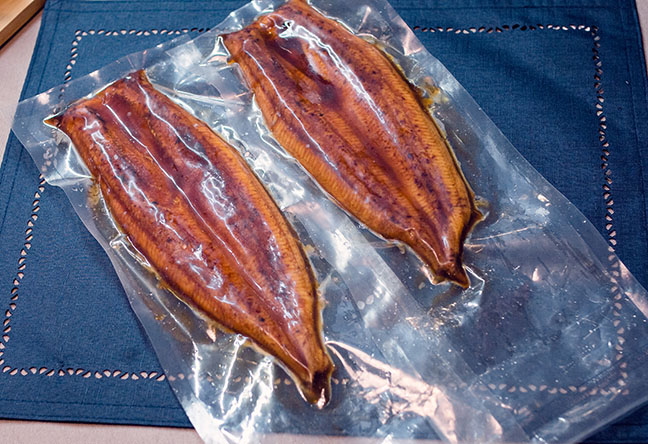
How is it packed? Individually packed portions are practical for à la carte service, while bulk packs may suit central kitchens.
What are the storage instructions? Confirm temperature, shelf life, thawing guidance, and documentation before import.
How strong is the seasoning? Neutral eel fits more recipes; kabayaki-seasoned eel is faster to serve but gives the chef less control.
Eelpro Co., LTD supplies frozen unagi kabayaki, eel sauce, frozen seafood, and freshwater eels for overseas buyers. When comparing formats, consider whether the kitchen plans to build its own broth, use prepared stock, or add finished eel during final assembly. Samples should be tested under the same storage, thawing, and reheating conditions expected in the destination market.
A useful check is to hold the finished soup for 10–15 minutes after assembly. Does the eel remain intact? Does the broth become too oily? Is the seasoning still balanced once the soup cools slightly? Those practical tests can reveal more than tasting the product straight from the package.
Look for clean portions with an even appearance and no excessive freezer damage. A light ice glaze can be normal for frozen seafood, but thick or irregular ice may indicate poor packaging or temperature fluctuation. Request product photographs, specifications, and sample cartons rather than relying on a short product name alone.
Match the cut to the customer. Boneless fillet is a reliable choice for family restaurants and convenience meals. Skin-on pieces suit diners who enjoy a richer texture. Eel bones are valuable in stock-focused kitchens, but they require more labor and should not be treated as a direct substitute for boneless portions.
For a lighter bowl, use clear broth, ginger, scallion, and a modest quantity of eel. For a more complete meal, pair eel with noodles, mushrooms, tofu, or rice. A few drops of citrus can brighten a rich soup, while sweet soy glaze links the dish to familiar kabayaki flavors. Eelpro’s article on kabayaki sauce offers additional background on this flavor style.
Avoidance guide: Do not simmer cooked eel throughout the entire service period. It can lose its shape and dry out around the edges. Add it late, keep the broth below a hard boil, and use a ladle instead of stirring aggressively. If you are working with raw eel, use a validated cooking process and follow local food-safety requirements.
Food fact: “Unagi” means eel in Japanese, but it does not refer to one universal soup recipe. On a menu, the word usually identifies the eel style or cultural reference rather than a fixed broth formula. That small distinction can help prevent customer confusion.
Eel soup is a broth-based dish made with eel as the main seafood ingredient. It may use clear stock, eel bone broth, a seasoned soy-based liquid, or a noodle soup base. The eel can be simmered, grilled first, or added as a cooked portion during final assembly.
The flavor depends on the broth and cooking method. Clear versions are mild, savory, and slightly sweet, with a delicate seafood aroma. Bone-based soups can be richer and rounder. A kabayaki-style version adds caramelized sweet-savory notes from grilled eel and sauce. Ginger, scallion, citrus, and mushrooms are common ways to balance the eel’s natural richness.
Freshwater eels are commonly used in Japanese-style eel dishes, including Japanese eel and other commercially traded freshwater eel species. The exact species varies by origin and supply chain. Buyers should confirm the scientific or commercial designation, processing format, size, and country-of-origin documents with their supplier.
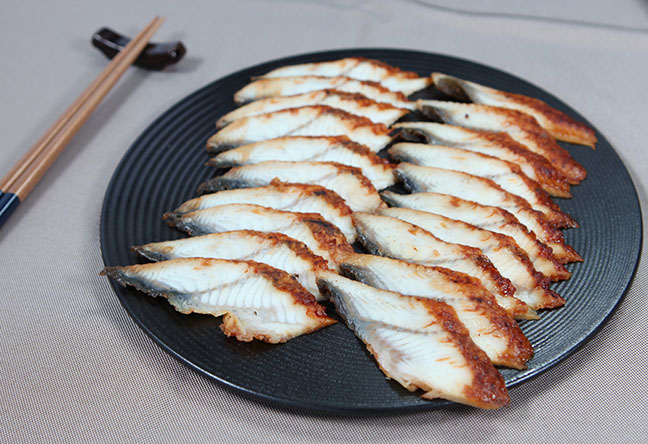
Yes. Cooked unagi kabayaki is particularly suitable for quick-service soup, noodle bowls, and rice-based meals. Cut it into manageable pieces and reheat it gently near the end of preparation. This preserves the grilled aroma and helps keep the flesh from breaking apart.
Yes, as long as the description sets the right expectation. A clear eel soup can work as a starter, while a richer broth with noodles or rice can serve as a main dish. Explain whether the eel is grilled, boneless, skin-on, sweet-savory, or served with bones so customers can order confidently.
Eel soup is not one fixed recipe. It is where broth, texture, processing format, and tradition meet. A clear soup highlights the seafood. Bone broth brings body. Grilled kabayaki adds sweetness and roasted aroma. Each approach creates a different menu opportunity.
If you are sourcing freshwater eels, frozen unagi kabayaki, eel sauce, or other frozen seafood for foodservice, contact Eelpro Co., LTD to discuss product formats and sample requirements. You can also explore our eel recipes for more menu inspiration. Which style would you order first: a clear broth, a rich noodle soup, or a sweet-savory unagi soup? Share your preference with us.



 WhatsApp
 sales@chinaeels.com
 +8619937922411