





A glossy piece of grilled eel rests on a bed of hot rice, its sauce smelling sweet, smoky, and savory. Then comes the practical question: should you cut the eel, mix it into the rice, or eat it a bite at a time? This guide covers unagi don etiquette so the dish feels comfortable at home, in a restaurant, or on a foodservice menu.
The unagi don meaning is straightforward. “Unagi” means freshwater eel in Japanese, while “don” is short for “donburi,” a rice bowl topped with another ingredient. In this case, grilled eel is laid over steamed white rice and finished with a sweet-savory glaze called tare.
The name may appear as unadon or unagi don. Both describe the same basic dish. A related presentation is unajū, where eel and rice are served in a lacquered box called a jūbako instead of a round bowl. Restaurants may use these terms to indicate differences in portion size, presentation, or price, though the details vary from place to place.
The appeal lies in the balance. Rice tempers the richness of the eel, while tare adds sweetness, salt, and shine. Sansho pepper brings a light, citrus-like aroma that cuts through the fat. Pickles refresh the palate between bites. It is a satisfying meal without being fussy.
Unagi has long been linked with strength and stamina in Japan. One well-known seasonal custom is eating eel around Doyo no Ushi no Hi, the “Day of the Ox” during the summer period known as doyō. The practice became widely recognized in the Edo period. A popular story credits the scholar Hiraga Gennai with helping an eel shop promote summer sales, although the precise history remains debated.
At the table, the seasonal association is what matters most. On a hot day, a lacquered box or rice bowl of grilled eel can feel generous, comforting, and restorative. Families may order it for a special lunch, while restaurants often highlight it in summer promotions. It is not a strict religious observance, and not everyone in Japan eats unagi on the same date.
That distinction is helpful for international diners. Japanese eel bowl customs are generally flexible. There is respect for the food, the cook, and the setting, but no single ceremony that every diner must follow. Good manners mostly mean eating neatly, being considerate of others, and appreciating a carefully prepared meal.
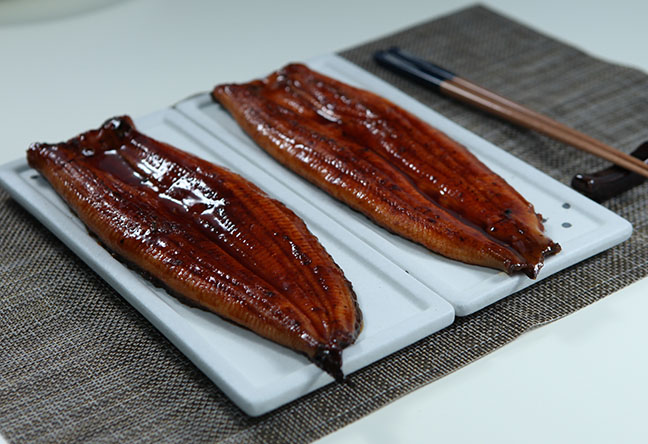
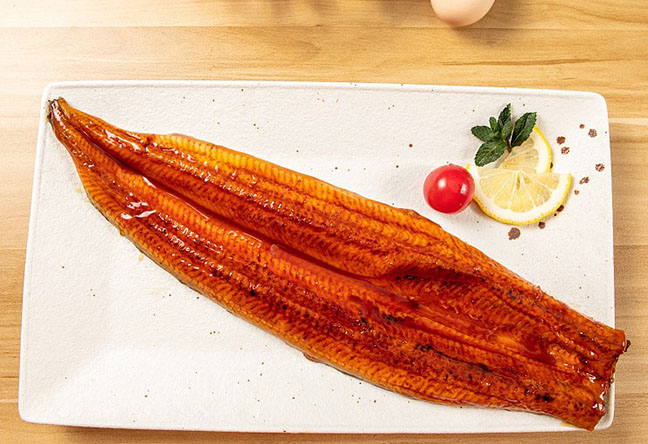
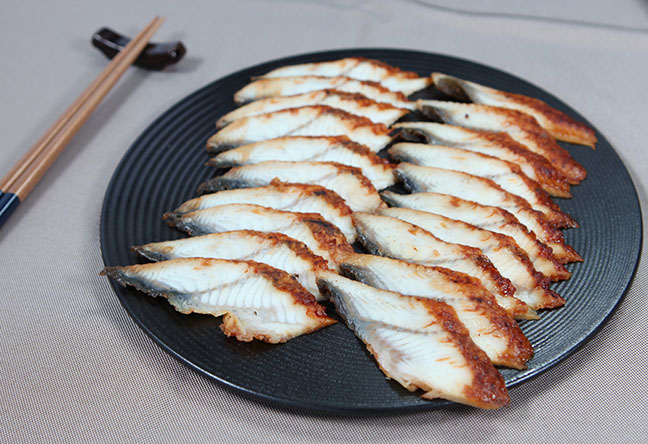
A traditional serving usually consists of steamed short- or medium-grain Japanese rice topped with kabayaki eel. “Kabayaki” refers to eel that has been filleted, skewered, grilled, coated with tare, and grilled again. This repeated glazing gives the fish its dark, glossy finish and familiar sweet-savory aroma.
Depending on the restaurant, the set may include:
A bowl of unagi don or a lacquered unajū box
Japanese pickles, often called tsukemono
Clear soup or miso soup, sometimes with eel liver in specialist restaurants
Sansho pepper in a small container
Green tea or another unsweetened drink
The eel is typically served warm, never chilled. Rice should be hot enough to release steam, but not so wet that the sauce turns the bowl into porridge. For a foodservice team, portion control is essential. A clean layer of rice, a neatly trimmed eel fillet, and a measured amount of tare make the dish look intentional and polished.
Presentation shapes the first impression as well. Place the eel skin-side down, or follow your restaurant’s plating standard, keep the fillet centered, and wipe sauce from the rim before serving. A few pickles on the side are plenty. Too many garnishes distract from the main attraction.
Rice is not simply a filler. It is part of the dish’s balance. A well-made bowl leaves enough plain rice beneath the eel to absorb the tare, while the top layer carries the aroma of the grilled fish.
Tare should enhance the eel, not overwhelm it. If you are developing a menu, taste the sauce after reheating, since sweetness and salt can become more pronounced as the glaze concentrates. Eelpro’s eel sauce can help foodservice buyers maintain consistent flavor across rice bowls, sushi applications, and grilled eel portions.
Sansho is generally added by the diner rather than mixed into the entire bowl by the kitchen. Sprinkle a small amount over the eel or one section of rice. Its fragrance is distinctive, so use a light hand. Diners trying sansho for the first time may prefer to taste the bowl before adding it.
Unagi don etiquette is practical rather than formal. Begin while the eel and rice are still warm. If the bowl arrives with a lid, set it face-up on the table or follow the restaurant’s house practice. Avoid placing the wet underside directly on the table, where it could leave a mark.
The easiest approach is to use chopsticks and take manageable bites of eel with rice. There is no need to eat all the eel first or stir the entire bowl. Instead, try a few combinations:
Take a small piece of eel with rice to taste the original balance.
Add a little sansho to the next bite.
Use a pickle between bites to refresh your palate.
Continue with the combination you prefer.
Large fillets can be gently divided with chopsticks. If the eel is especially tender, press down with the side of one chopstick instead of stabbing it. Try not to lift a large piece too high above the bowl, since sauce can drip onto the table or your clothing.
It is perfectly acceptable to eat rice and eel together, and small bites of eel on their own are fine as well. The main thing is to avoid dismantling the bowl messily or mixing every component before tasting it as served.
Use chopsticks for the eel and rice. Casual restaurants may provide a spoon, especially for children, and there is nothing wrong with using it. Do not pass food directly from one pair of chopsticks to another, and avoid sticking chopsticks upright in rice. These common Japanese table manners apply well beyond eel dishes.
If soup is included, hold a small bowl carefully with one hand when the shape and setting allow. Sip directly from a small soup bowl and use chopsticks for solid ingredients. For a larger bowl or Western-style service, use the utensil provided.
Keep shared condiments near their original place. Sprinkle sansho over your own portion rather than seasoning an entire bowl for everyone. It is a small courtesy that matters in restaurants, family meals, and tasting sessions where preferences differ.
It helps to distinguish the main styles when explaining Japanese eel bowl customs to overseas customers.
Unadon is eel served over rice in a bowl. It is often considered a more casual format, although specialist restaurants may serve exceptionally refined versions. The bowl makes it easy to enjoy eel and rice together in each bite.
Unajū presents the same general pairing in a lidded lacquer-style box. It may feel more formal because of the vessel, side dishes, and restaurant setting. The difference is mainly one of presentation and service style, not an entirely different recipe.
Hitsumabushi is especially associated with Nagoya. Grilled eel is cut into smaller pieces over rice and traditionally eaten in stages: first plain, then with condiments such as green onion or wasabi, and finally with broth or tea. Individual restaurants may provide their own instructions.
Do not assume hitsumabushi is the required way to eat every unagi don. If a restaurant serves a standard bowl, follow its presentation. If it includes a small pot of broth and several condiments, the staged method is likely intended.
For overseas buyers and foodservice professionals, the customer experience begins before the first bite. A deep bowl retains heat and gives the eel enough space to lie flat. A dark plate or lacquer-style vessel makes the glaze stand out, while a plain white bowl creates a cleaner, more modern look.
Keep menu descriptions clear. For example: “Grilled freshwater eel over steamed rice with sweet soy-based tare, sansho pepper, pickles, and miso soup.” This gives customers a clear picture of the dish without assuming they already know Japanese terms.
Temperature and timing have a direct effect on quality. Reheat prepared eel according to the supplier’s instructions. When reheating leftovers or cooked food under general food-safety guidance, the USDA recommends reaching **165°F (74°C)**. For frozen commercial products, follow the validated package instructions and local food-safety rules.
Steam can soften the skin and dull the glaze if a fillet remains covered for too long. In service, plate as close to pickup time as possible. A brief rest is useful; prolonged holding is not. A neatly plated bowl served promptly often gets a better response than a larger portion with tired rice and dried sauce.
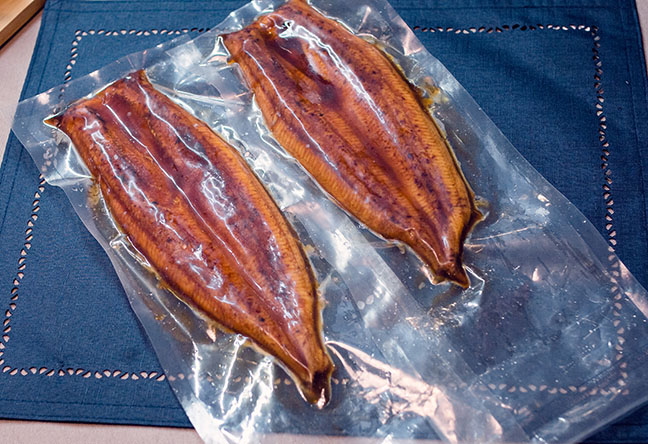
Eelpro’s frozen unagi kabayaki is designed for practical preparation in restaurants, catering operations, and home kitchens. Buyers should review fillet size, packaging, glaze level, frozen storage requirements, and reheating instructions before choosing a format.
When choosing frozen kabayaki, check the product information first. Look for the species or product description, net weight, fillet count, country of origin, storage temperature, and cooking instructions. Packaging should remain sealed and free from heavy frost, thawing, or refreezing signs.
A good fillet should have an even cut and a clean grilled aroma after heating. The flesh should be tender without collapsing into mush, and the glaze should look glossy rather than burnt black. If the sauce tastes too strong with your rice, serve extra sauce on the side or add more plain rice. Do not dilute the bowl by adding water directly to it.
For an easy home meal, heat the eel, prepare fresh rice, and set out sansho, pickles, and soup. Cut the fillet into two or three sections when serving children or sharing several dishes. You can also warm the serving bowl with hot water, dry it thoroughly, then add the rice and eel. That small step helps keep the meal hot longer.
When selecting sauce, compare sweetness, saltiness, thickness, and intended use. A tare made for eel can also complement grilled chicken, rice rolls, tofu, or vegetables. Eelpro’s article on kabayaki sauce explains how the glaze contributes to the final flavor and appearance.
Here is a useful menu note. Unagi is freshwater eel, while anago generally refers to conger eel, a saltwater eel. They are not interchangeable terms. Their texture, flavor, and common cooking methods can differ. A menu that simply says “eel” may confuse customers, especially in markets where both products are available.
Do not drown the rice in tare. The sauce should coat the eel and lightly season the rice. Too much glaze hides the grilled flavor and can make the meal feel heavy. Start with a measured amount, then offer extra sauce separately if your service style allows.
The customs surrounding eating unagi don include seasonal appreciation, careful chopstick use, and respect for the balance of the set meal. Some diners choose eel during summer because of its association with stamina. Others order it for celebrations, business lunches, or simply because they enjoy the flavor.
There is no special phrase required before eating eel, and no universal rule about which bite must come first. “Itadakimasu” may be said before a meal in Japan as an expression of appreciation, but it is not specific to eel. At the end of a meal, “gochisousama deshita” may be used to thank the person who prepared or served it.
For international guests, the best approach is simple: observe the setting, follow the restaurant’s instructions, eat neatly, and enjoy the dish at its intended temperature. Curiosity is welcome. Asking about the condiments is always better than guessing.
Use chopsticks to take manageable bites of eel with rice. Taste the bowl before adding sansho, then season one small section rather than the entire serving. You may eat some eel separately, but enjoying eel and rice together is the usual experience. Pickles can be eaten between bites to refresh the palate.
It is traditionally served as grilled kabayaki eel over steamed white rice, often with sweet-savory tare. A set may include sansho pepper, Japanese pickles, and soup. The dish can arrive in a round bowl as unadon or in a lidded box as unajū. Customs and side dishes vary by region and restaurant.
Common customs include eating the bowl while warm, using chopsticks appropriately, and handling shared condiments with care. Eel is also linked with summer eating traditions, particularly Doyo no Ushi no Hi. These are social and seasonal customs, not strict rules that every diner must follow.
You do not need to mix the whole bowl. Take bites that include both eel and rice, allowing the sauce to season the grains naturally. Mixing can break apart a soft fillet and make the presentation less appealing.
Common accompaniments include sansho, pickles, miso soup, clear soup, and unsweetened tea. Keep side portions modest so the eel remains the focus. For a more interactive format, consider a hitsumabushi-style service with condiments and broth, but explain the method on the menu.
Unagi don dining culture is built on balance: rich grilled eel with plain rice, sweet tare with fragrant sansho, and a generous main dish paired with small, refreshing sides. Once you understand the basic manners, there is little reason to worry about making a mistake.
For home cooks and foodservice teams, quality begins with the product and continues through reheating, portioning, and plating. Explore Eelpro Co., LTD’s frozen unagi kabayaki, eel sauce, frozen seafood, and freshwater eel selections for your next menu or meal. You can also browse these eel recipes for another serving idea. Have you tried unagi don with sansho, pickles, or broth? Share your favorite way to serve it in the comments.



 WhatsApp
 sales@chinaeels.com
 +8619937922411