





Getting the most out of your frozen eel inventory is about more than just counting boxes. It’s a discipline that touches everything from walk-in freezer temperatures to the way labels are written. A single gap in process can turn a valuable shipment of unagi kabayaki into a loss. We’ve spent years producing and shipping frozen freshwater eels from our facility, and we’ve seen how small changes in handling make a big difference. This guide breaks down what importers and distributors actually need to know to protect product quality over long stretches of commercial storage.
For B2B buyers, the shelf life of frozen eel isn’t just a technical detail. It determines your purchasing rhythm, storage costs, and margin on every carton you move. A batch of unagi kabayaki that’s consistently held at the right temperature can stay restaurant-ready for a long time. But if you treat every frozen seafood product the same, you’ll miss the nuances that keep eel in top shape.
The two biggest enemies are temperature fluctuation and time. Control those, and you’re already ahead of most supply chains. Our team has seen cases where identical frozen eel shipments performed very differently just because one warehouse maintained a tighter cold chain than the other. That’s not about luck—it’s about systems.
The standard worldwide recommendation for frozen seafood storage is -18°C (0°F) or lower. With frozen eel storage, this isn’t a suggestion. Every degree of fluctuation above that mark can accelerate enzyme activity and lipid oxidation, slowly degrading texture and flavor. For unagi kabayaki, which already carries a delicate sweet-savory glaze from eel sauce, temperature abuse may cause the sauce to separate or pick up off-notes.
Commercial importers should aim for a steady -20°C to -22°C. Not just in the main cold room—check the holding area near the loading dock, too. We’ve walked through facilities where the core storage was perfect, but the staging zone sat 5 degrees warmer for hours. That matters when cartons sit waiting for a late truck. Short spikes add up. Install data loggers with real-time alerts. A few hundred dollars in monitoring equipment can save thousands in rejected product.
In our own facility, we set blast freezers to -30°C immediately after processing and hold finished goods at a constant -22°C. This ensures that when a pallet of frozen eel leaves our docks, the core temperature isn’t just surface-level cold. It’s frozen solid to the center. Importers should insist on receiving temperature logs with every shipment. If the container arrives at -15°C, you’re already fighting shelf-life decline even if the eel looks fine.
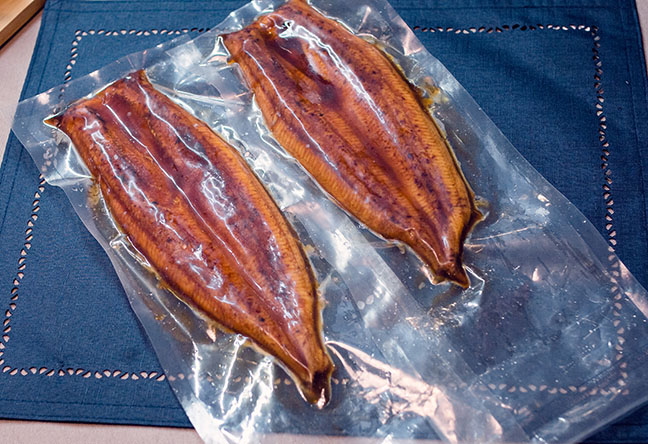
Proper packaging is half the battle in extending frozen eel shelf life. Vacuum-sealed inner layers prevent freezer burn and slow oxidative rancidity. We use multi-layer bags with high oxygen-barrier properties, then pack into sturdy corrugated cartons. For IQF (individually quick-frozen) freshwater eels, this method keeps each fillet separate without ice crystal build-up.
If a bag gets a tiny puncture during handling, moisture migrates. You’ll see clumping, frost inside the pack, and eventually those pale, leathery patches on the surface. When you receive product, spot-check a few cartons. If the inner vacuum is loose, the countdown to quality loss sped up long before you got it. Don’t accept it as normal.
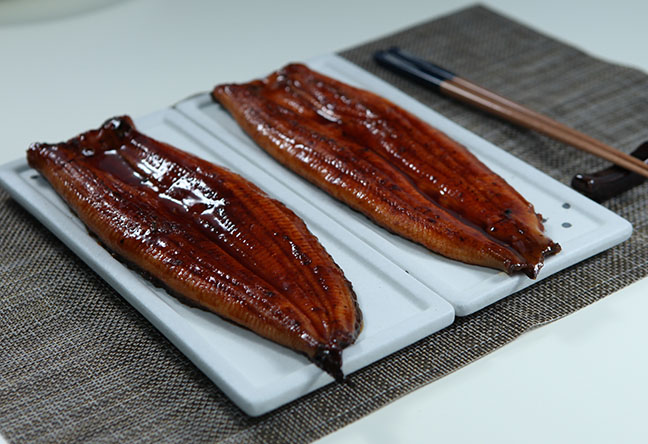
The honest answer: it depends. Under ideal commercial storage conditions, frozen eel—especially unagi kabayaki processed with kabayaki sauce—can retain top-tier quality for 18 to 24 months. Some technical data sheets may stretch further, but flavor and texture peak within that window. After 24 months, the product is still safe if stored properly, but the eating experience starts to slip.
Freshwater eel that’s frozen raw, without sauce, tends to have a slightly shorter optimal window: around 12 to 18 months. The higher fat content makes it more susceptible to oxidation. For frozen seafood shelf life comparisons, eel sits in a middle zone—not as fragile as some fatty pelagic fish, but requiring more care than lean whitefish. That’s why inventory rotation is so critical.
If you take one thing from this article, let it be this: never refreeze eel that has completely thawed. Even partial thawing restructures ice crystals, rupturing cell walls. When you cook it later, the eel will weep moisture, turn rubbery, and lose that signature buttery texture people expect from good unagi. From a commercial standpoint, refrozen product invites customer complaints and damages your reputation.
If you encounter a situation where a freezer door was left open and the top cartons softened but are still below 0°C, you can often salvage them by moving to a deeper freezer immediately. But if the core temperature climbs above 0°C, mark the pallet and use it quickly or discard. In B2B, the cost of letting a compromised batch into the supply chain is far higher than the write-off.
Solid eel inventory management starts with first-expiry-first-out (FEFO) logic, not just FIFO. Since different production batches can have slightly different shelf-life stamps, you need to see both the production date and the best-before date on every carton. We print both clearly on the box side, right where a warehouse operative can scan it without turning the pallet.
Label placement matters. If the date is only on the master case and a staff member breaks down pallets without transferring info, you’ll end up with mystery cartons. That’s how old stock gets pushed to the back. Use adhesive shelf-life labels with large, scannable barcodes. Connect them to your WMS so you can pull a report showing exactly how many weeks remain on each batch.
Beyond labeling, segment your storage. Keep newer arrivals physically separate from older stock. Use colored placards or floor markings. Train everyone that the blue zone pallets go out first this month. And hold monthly inventory audits that don’t just count cartons—check temperatures at multiple pallet heights. The bottom carton next to a poorly insulated floor might be warmer than the one on top. Small things, but they add up over a 12-month holding period.
Every frozen eel shipment you receive should come with a paper trail: catch certificate, processing date, freezing curve data, and a certificate of analysis. Keep those records organized by lot number. If a customer ever questions the quality, you can trace the product back to a specific production run and temperature log. This isn’t bureaucracy—it’s your insurance policy.
We’ve found that buyers who request and archive these documents consistently have fewer disputes and less waste. When you know the exact date a batch of unagi was processed and you can see it hasn’t left the cold chain, you can confidently extend its shelf life to the maximum recommended limit. Without that data, you’re guessing.
While this article focuses on eel, the same principles benefit your entire frozen seafood range. Different species, of course, have different frozen seafood shelf life expectations. Shrimp might hold well for 9-12 months; tuna loins even longer. But the common thread is discipline. Temperature control, inventory rotation, and rigorous inspection routines protect every carton in your warehouse.
For importers juggling multiple species, consider a unified cold chain management system. It doesn’t have to be expensive. A simple spreadsheet that tracks arrival temperatures, best-before dates, and current location will do more than most businesses are doing. Then, when you want to offer a customer a particular batch of eel for a recipe like eel noodle soup, you can select the lot with the most remaining shelf life without rummaging through the freezer.
When stored at a steady -20°C or below, properly vacuum-packaged unagi kabayaki can maintain excellent quality for 18 to 24 months. Raw frozen freshwater eel is best consumed within 12 to 18 months. These windows assume no temperature abuse. Even small fluctuations can shorten the effective shelf life, so real-world duration depends heavily on your cold chain integrity.
The absolute minimum standard is -18°C, but we recommend -20°C to -22°C for extended storage. During shipping and staging, anything warmer than -15°C starts to compromise texture and glaze stability on prepared eel products. Monitor both air and product core temperatures rather than relying solely on freezer thermostats.
Adopt FEFO rotation, label every carton with production and best-before dates in a visible location, and use zone-based storage to separate older stock. Regularly audit internal temperatures at different pallet positions. Integrate lot-level temperature logs into your quality system so you know exactly which batches still have full shelf life.
No matter how good your sourcing is, frozen eel quality lives or dies in storage. A few degrees here, a forgotten pallet there—these small failures chip away at the product you paid for. But when you nail the temperature, respect the packaging, and run a tight inventory, that frozen eel will serve your customers exactly as intended. We’ve built our entire production around extending that window. From blast freezing to the way we seal our unagi kabayaki, every step is designed so that when the carton arrives, you’re holding a product with months of peak quality ahead. All it takes on your end is the right routines. Start by checking your freezer temperature logs today—you might be surprised what you find.

 WhatsApp
 sales@chinaeels.com
 +8619937922411