





Cooked eel adds rich flavor, a soft texture, and a distinctive character to Japanese, European, and contemporary seafood menus. For buyers and foodservice teams, knowing how eel tastes, performs, and reheats makes it easier to select the right format, sauce, portion size, and preparation method.

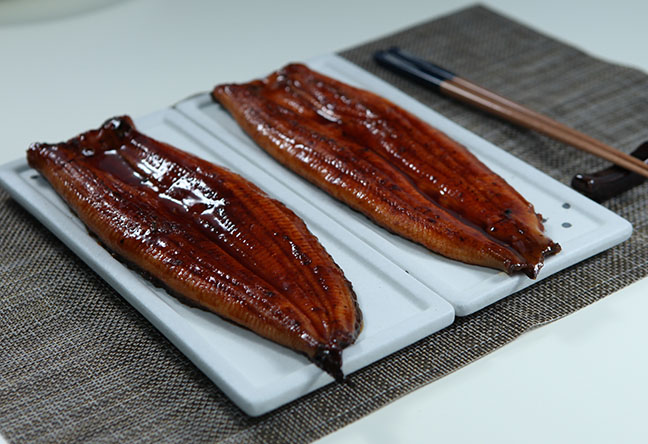
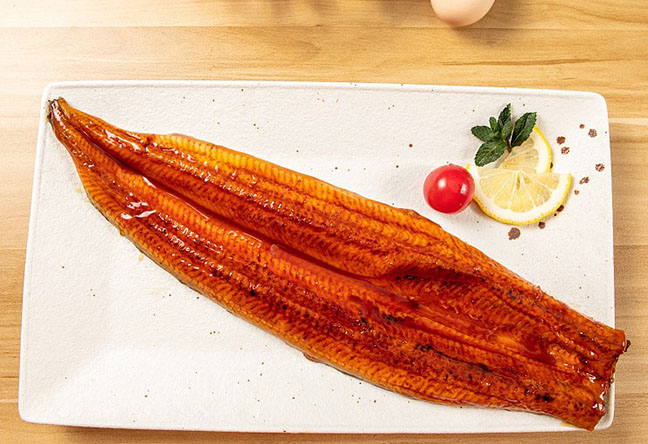
Cooked eel is freshwater eel that has been cleaned, cut, and heat-treated before serving or further processing. In Japanese foodservice, the best-known style is unagi kabayaki. Eel fillets are grilled or broiled, brushed with sweet-savory tare sauce, then heated again until the surface is glossy and lightly caramelized.
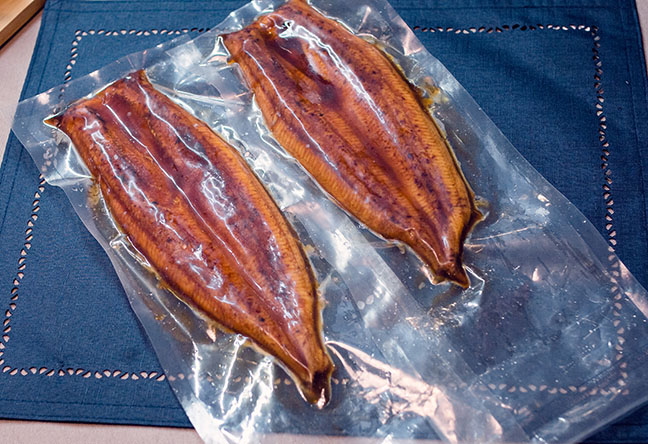
Commercial products are available as whole eels, fillets, portions, sushi toppings, or frozen ready-to-heat packs. Each format affects kitchen labor, portion control, storage, and menu flexibility. A restaurant serving unadon may choose sliced kabayaki portions, while a manufacturer may require plain cooked eel for sushi, noodles, rice bowls, or prepared meals.
Species and origin also shape the finished product. Freshwater eels are prized for naturally oily flesh. When handled properly, that fat keeps the meat tender during grilling and gives each bite a rich, satisfying mouthfeel.
What does cooked eel taste like? It varies by species, fat content, and preparation, but cooked eel is generally rich, mildly sweet, and savory rather than intensely “fishy.” The flesh has a deep seafood flavor with a subtle earthy note. Kabayaki sauce brings soy, sugar, and caramelized grill aromas to the dish, creating a familiar profile for customers who enjoy teriyaki-style flavors.
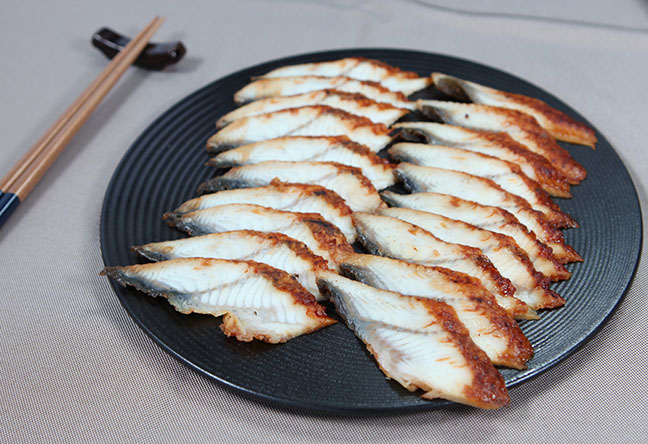
Plain grilled eel, often called shirayaki, lets the fish take center stage. It may be served with salt, wasabi, grated daikon, or a little soy sauce. This preparation suits chefs who want the natural flavor of the eel to remain clear and prominent.
The sauce can also influence how a dish is positioned on the menu. A thick tare creates a glossy finish and a pronounced sweet-salty flavor. A lighter brushing gives the kitchen greater control, particularly when eel is served with seasoned rice, pickles, soup, or additional sauces.
When comparing suppliers, buyers should ask about fillet thickness, fat distribution, sauce application, grilling method, glaze weight, and cooking yield. These details influence flavor as well as cost per serving.
Well-prepared eel should be tender, moist, and easy to cut with chopsticks or a fork. The skin can take on a lightly crisp finish during grilling, while the interior stays soft thanks to its natural fat. Too much heat, however, can dry the thinner edges and diminish the delicate texture.
Texture differs across the fillet. Belly sections tend to be richer and softer, while tail sections are often firmer. For chain restaurants and catering operations, uniform portions are especially useful because they support consistent plating and reliable portion calculations.
Frozen cooked eel can maintain an appealing texture when it is frozen promptly, packed properly, and thawed or reheated according to the supplier’s instructions. Foodservice teams should avoid repeated thawing and refreezing. Maintain the cold chain and use the product within its stated storage period.

How is cooked eel prepared? The most familiar commercial method is kabayaki. The eel is split, deboned, cut into fillets, and grilled or broiled. Tare is brushed on during cooking, and the eel is heated again before service. The result is a roasted aroma, a glazed surface, and moist flesh.
For ready-to-heat unagi kabayaki, kitchens may thaw portions under controlled refrigeration, then warm them in an oven, steamer, broiler, or microwave. A final brush of sauce can refresh the glaze. The best approach depends on the product specification and the preferred surface texture.
Shirayaki is grilled without a heavy tare coating. It is well suited to tasting menus, sushi restaurants, and dishes where the chef plans to add a separate sauce. A brief final sear adds light browning without drying the meat.
Outside Japan, prepared eel appears in many forms. Smoked eel is used in salads, pâtés, sandwiches, and appetizers. In parts of Europe, eel is also stewed or served with traditional sauces. Fried eel offers a firmer exterior, while eel soup often uses smaller pieces or trimmings with vegetables, noodles, or clear broth.
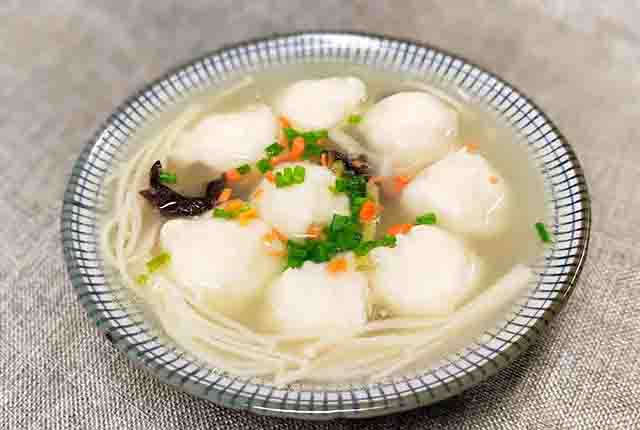
For a practical menu application, our eel recipes show how eel can be used in a warming noodle dish. The same cooked eel can also be added to sushi rolls, donburi, bao, salads, and chilled grain bowls.
The cooked eel benefits for foodservice operators start with convenience and consistency. A frozen, portioned product reduces trimming work, shortens prep time, and supports repeatable serving sizes. It also gives kitchens a premium seafood option without requiring every cook to handle raw eel.
Kabayaki has a recognizable appearance: dark caramelized edges, a glossy surface, and neatly defined slices. It can make a rice bowl, sushi platter, or bento look more substantial. Its flavor holds up well beside rice and vegetables while remaining flexible enough for fusion menus.
Restaurants can create several dishes from one product specification:
Unadon or unajū with steamed rice and Japanese pickles
Sushi toppings and inside-out rolls
Eel noodle soup with mushrooms, greens, or a clear broth
Rice paper rolls and bao with cucumber and herbs
Salads, canapés, and smoked-eel style appetizers
Is cooked eel nutritious? Eel is a source of protein and naturally contains fat, including long-chain omega-3 fatty acids. It also provides vitamins and minerals such as vitamin A, vitamin B12, and vitamin D, although amounts vary by species, portion size, farming conditions, and cooking method.
The finished dish also matters. Sweet tare sauce adds sugar and sodium, while a large rice bowl may contain more carbohydrates than the eel itself. For nutrition-conscious menus, chefs can use a measured sauce portion, add vegetables, and offer smaller rice servings. Buyers should request the supplier’s product specification and nutrition information instead of relying on general values.
As with other fish products, review allergen statements, labeling requirements, and local food regulations before sale. Cooking does not replace proper cold storage or hygienic handling.
Eel cuisine holds a particularly strong place in Japan, where unagi is served in rice bowls, sushi, bento, and seasonal restaurant dishes. The classic combination of grilled eel, tare, steamed rice, and sansho pepper works because the rice balances the fish’s richness and the pepper adds a fresh aromatic lift.
In China and other parts of East Asia, freshwater eel may be braised, steamed, grilled, or included in banquet dishes. European traditions include smoked eel, eel soups, and regional stews. Modern chefs often pair cooked eel with avocado, citrus, chili, cucumber, roasted vegetables, or noodles.
For international buyers, this versatility makes cooked eel suitable for more than one restaurant concept. A supplier offering plain portions, sauced kabayaki, and multiple pack sizes can serve Japanese restaurants, sushi manufacturers, hotel kitchens, meal-kit companies, and frozen-food distributors.
When comparing products, review the following points:
Fillet size, portion weight, and glazing percentage
Bone removal and skin condition
Cooking and grilling process
Sauce recipe, sweetness, salt level, and allergen information
Packaging format, carton size, shelf life, and storage temperature
Available certifications and export documentation
Our eel sauce range can be used with plain grilled eel or as a finishing glaze. Buyers who want to understand the relationship between sauce, browning, and flavor can also read our guide to kabayaki sauce.
The best product depends on your menu and production system. A sushi manufacturer may prioritize clean cuts and consistent sizing. A casual restaurant may prefer pre-sauced portions that reheat in minutes. A distributor may need mixed specifications for retail, catering, and foodservice customers.
Before placing a large order, test the product in the actual service environment. Check thawing time, reheating loss, sauce coverage, texture after holding, and appearance after plating. Evaluate a sample with the rice, noodles, or vegetables it will be served with—not on its own.
We supply frozen unagi kabayaki, eel sauce, freshwater eels, and other frozen seafood for overseas buyers. Eelpro Co., LTD can discuss product specifications, packaging, private-label needs, and export requirements for your market.
Cooked eel stands out for its tender texture, rich flavor, and versatility across rice bowls, sushi, noodles, appetizers, and regional eel cuisine. With the right portion, sauce, and reheating method, foodservice teams can offer a distinctive seafood dish with reliable results. Contact Eelpro Co., LTD to discuss frozen unagi kabayaki and other eel products for your business.



 WhatsApp
 sales@chinaeels.com
 +8619937922411