





Eel tempura gives restaurants a practical, contemporary way to serve freshwater eel. The appeal lies in the contrast: a light, crisp coating, tender eel at the centre, and a sweet-savory sauce or bright garnish to finish the plate.
For foodservice buyers, the key considerations go beyond home-style preparation. Which eel format delivers the most consistent results? What should each serving weigh? Is eel tempura best positioned as an appetizer, sushi-bar plate, rice bowl topping, or part of a set menu?
This guide helps restaurants, hotels, caterers, and other commercial kitchens make those decisions.
Eel tempura for restaurants sits comfortably between familiar Japanese favourites and higher-value specialty dishes. Diners who enjoy unagi kabayaki may appreciate the crisp texture, while guests trying eel for the first time can start with a smaller, more approachable portion instead of a full fillet.
The dish also adapts well to several service formats:
A good unagi tempura menu item should be simple for staff to describe. For example: “Crispy eel with kabayaki sauce, grated daikon, and steamed rice.” It tells guests what they are ordering without overexplaining the dish.
The eel format you choose affects yield, prep time, portion control, and presentation. Foodservice buyers commonly compare whole freshwater eels, cleaned fillets, cooked kabayaki, and prepared frozen portions.
Freshwater eel offers flexibility for kitchens with experienced seafood staff. Whole eel, however, requires more preparation: cleaning, filleting, trimming, and cooking. Labour, equipment, and staff skill should all be included when calculating the true cost.
Cleaned fillets reduce handling and speed up prep. They can be cut into evenly sized pieces before battering, helping the kitchen maintain consistent serving weights. When ordering, ask about fillet size, skin-on or skinless specifications, glazing, packing method, and frozen storage requirements.
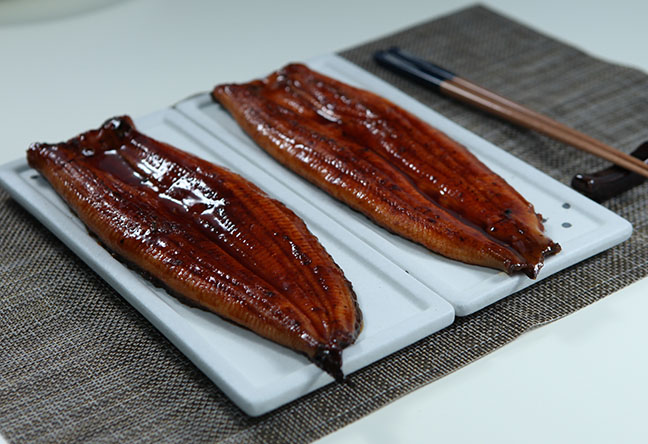
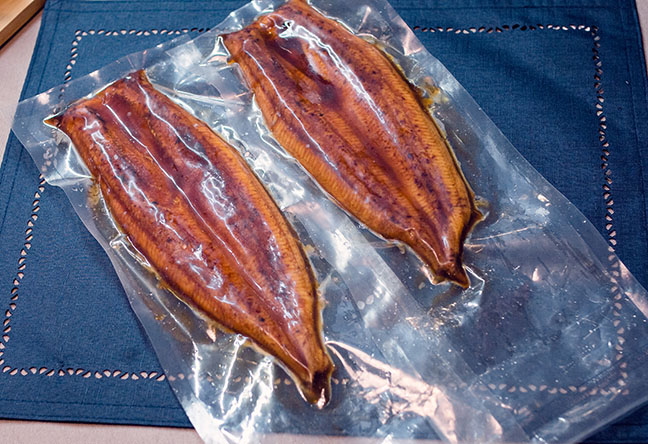
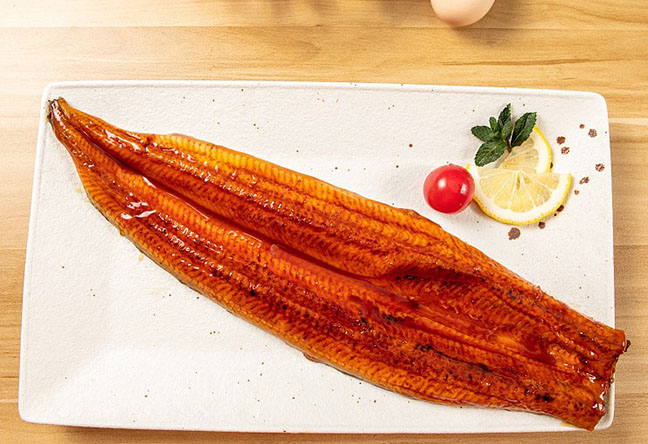
Cooked unagi kabayaki is often a practical starting point for eel tempura. Because the eel is already cooked and seasoned, the kitchen can focus on cutting, coating, frying, and plating. Its sweet soy-based seasoning also gives the finished dish a familiar flavour profile.
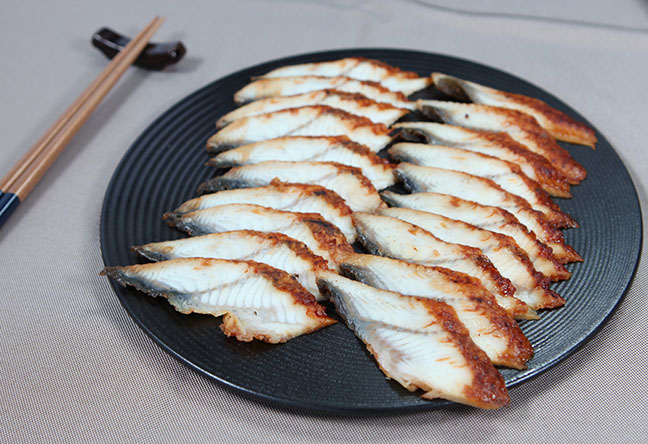
See our unagi kabayaki product page for a format that can support menu testing and portion planning. Some kitchens use short pieces for appetizers, while others cut longer sections for rice bowls or combination plates.
The phrase frozen eel tempura may refer to ready-to-fry or ready-to-heat products, depending on the supplier. Before purchasing, confirm whether the item is raw, pre-cooked, battered, par-fried, or fully cooked. Those details affect fryer time, food safety procedures, texture, and labour savings.
For a prepared commercial product, request samples and test them during a busy service. A product that looks good at a small tasting may soften after a few minutes in a takeaway container. Check holding time, sauce placement, packaging ventilation, and batter condition after delivery.
Portion size should reflect the role of the dish on the menu. A small plate has a different cost target from a main course, even when both use the same eel.
| Menu format | Typical cooked eel target | Service idea |
|---|---|---|
| Small appetizer | 40–60 g | 2–3 pieces with dipping sauce |
| Standard side or sushi-bar plate | 60–90 g | 3–5 pieces with garnish |
| Rice bowl topping | 80–120 g | Eel, steamed rice, sauce, and vegetables |
| Main dish or set meal | 120–160 g | Eel with rice, soup, pickles, and a side |
These are planning ranges, not fixed industry standards. Your final portion should account for eel size, batter pickup, menu price, and the other ingredients on the plate. We recommend weighing several test portions after cooking and recording raw weight, cooked weight, batter weight, sauce weight, and trim loss.
To estimate servings, divide usable eel weight by the target raw portion weight. Then allow for production loss, damaged pieces, and staff tasting. If a kitchen has 10 kilograms of usable eel and plans 100-gram raw portions, the theoretical yield is 100 portions before losses. In practice, purchasing should include a small buffer rather than assuming every gram becomes a saleable portion.
Begin with one primary format. A restaurant that already sells donburi may test an eel tempura bowl. A sushi restaurant may prefer a small plate, while a hotel banquet kitchen may need a bite-size item that can be fried in batches.
Keeping the initial launch focused makes purchasing and staff training easier. Once the preparation method is stable, the same eel can support a second format with a different garnish or side.
Eel has a naturally rich flavour, and kabayaki seasoning brings sweetness and salt. Fresh or acidic ingredients keep the plate from feeling too heavy. Useful choices include:
Keep garnishes restrained. The eel should remain the centre of the dish, rather than disappearing beneath mayonnaise, heavy dressing, or a large mound of vegetables.
A dipping cup gives customers more control and helps protect the batter from softening too quickly. For rice bowls, a measured drizzle over the eel and rice usually provides better portion control than free-pouring at the pass.
Restaurants can use a prepared sweet soy sauce or a house blend based on unagi tare. Eelpro Co., LTD supplies eel sauce for foodservice applications. When testing a sauce, compare its salt level, thickness, sweetness, holding stability, and performance with fried batter.
Our article on kabayaki sauce also explains how sauce selection influences the flavour of eel dishes.
Menu pricing should account for more than the invoice price of eel. Build a plate cost that includes:
For example, a 90-gram portion may appear inexpensive when calculated from product price alone. The actual plate cost changes once rice, pickles, a sauce cup, and batter are included. Create two cost sheets: one for the core eel portion and another for the complete menu plate.
Price positioning should suit the format. A small appetizer can encourage trial and increase add-on sales, while a larger rice bowl needs to feel like a complete meal. Compare the final price with other seafood and specialty dishes on your menu, not only with the cost of eel.
Commercial eel tempura requires a repeatable workflow. Portion the eel before service, keep prepared pieces chilled according to your food safety plan, and avoid stacking fried pieces while they are still releasing steam.
Use a fryer or frying station that can maintain the temperature required by your batter and product specification. Exact frying time and temperature depend on whether the eel is raw, cooked, par-fried, or fully cooked. Follow the supplier’s instructions and verify the internal temperature requirements that apply in your operating country.
During a trial, check five points:
For delivery, keep sauce separate where possible. Use a vented container so steam does not collect on the batter. A brief menu note can also remind customers to add the sauce just before eating.
Start with one clearly defined format, such as a 60-gram appetizer, a 100-gram rice bowl, or a combination plate. Test the product during a normal service, calculate the full plate cost, and train staff to explain the texture and sauce. Use a small launch portion to measure demand before adding several variations.
Light, fresh sides usually work best. Try grated daikon, cucumber sunomono, pickled ginger, cabbage slaw, steamed greens, miso soup, or simple Japanese pickles. Rice is suitable for a main dish, while citrus, herbs, and vinegar-based sides can balance the richness of fried eel.
Set a target cooked eel weight for each format, then confirm the raw weight needed to reach it. A useful starting range is 40–60 grams for an appetizer, 80–120 grams for a rice bowl, and 120–160 grams for a main set meal. Test actual yield after cooking and add a purchasing allowance for trim, breakage, and waste.
Yes, but the coating and packaging need testing. Keep sauce separate, use a vented container, and measure how long the product stays acceptable after packing. Some prepared frozen products may perform better for takeaway because their coating is designed for a repeatable fry or reheat process. Confirm the product specification before placing a large order.
A well-planned eel tempura item gives restaurants a flexible way to serve freshwater eel as an appetizer, rice bowl, set meal, or catering option. Start with a defined portion, a simple sauce plan, and a service test that reflects real kitchen conditions.
Eelpro Co., LTD can support menu development with frozen unagi kabayaki, eel sauce, freshwater eels, and other frozen seafood products. Contact us to discuss product specifications, samples, packing formats, and supply requirements for your foodservice operation.



 WhatsApp
 sales@chinaeels.com
 +8619937922411