





Japanese eel terminology can be confusing when you are sourcing frozen seafood, planning a restaurant menu, or checking an import specification. The terms unagi, anago, and kabayaki are closely connected, but they do not mean the same thing.
Unagi usually refers to freshwater eel. Anago generally means marine conger eel. Kabayaki describes a preparation style in which eel is filleted, grilled, and glazed with a sweet-savory sauce. Keeping these terms separate helps overseas buyers avoid confusion when discussing products with suppliers, chefs, and customers.
The Japanese word unagi usually means freshwater eel. In Japanese cuisine and the seafood trade, it most often refers to species in the Anguilla genus. The Japanese eel species is Anguilla japonica, a freshwater eel native to waters around Japan, China, Taiwan, Korea, and the Philippines.
The word can refer to both the live fish and dishes prepared from it. On a restaurant menu, “unagi” may mean grilled eel over rice, a sushi topping, a rice roll, or a set meal served with sauce and side dishes. On a purchase document, though, the term alone is not a complete product specification.
Foodservice buyers should also check:
Commercial eel products may be made from different Anguilla species, depending on the market and supply program. For that reason, we recommend asking suppliers to confirm the species, origin, processing method, and product code instead of relying on “Japanese eel” as the only description.
The clearest way to understand unagi vs anago is to compare their habitat, texture, flavor, and usual cooking applications.
| Term | Typical meaning | Habitat | Common eating characteristics |
|---|---|---|---|
| Unagi | Freshwater eel | Freshwater and coastal migration environments | Rich, oily, soft, and suited to grilling |
| Anago | Marine conger eel | Saltwater | Generally lighter and leaner, with a delicate texture |
| Kabayaki | A cooking and finishing style | Not a species term | Filleted eel grilled and brushed with sweet-savory sauce |
Anago is not simply a smaller or less expensive type of unagi. In Japanese cuisine, anago commonly refers to conger eels, including the whitespotted conger, Conger myriaster. It is a marine fish that belongs to a different group from freshwater Anguilla eels.
The two fish also cook differently. Unagi has a richer, higher-fat profile and responds well to repeated grilling and sauce application. Anago is more often steamed, simmered, or lightly grilled. Its milder flavor suits sushi, tempura, and delicately simmered dishes.
In practical menu language, Japanese eel normally means unagi, or freshwater eel. Anago means marine conger eel. Both may be translated as “eel” in English, but they are different fish.
For importers and restaurant groups, the distinction directly affects customer expectations. A buyer ordering frozen unagi fillets should not receive anago unless the substitution has been approved in writing. Texture, fat level, cooking yield, and menu price can all change.
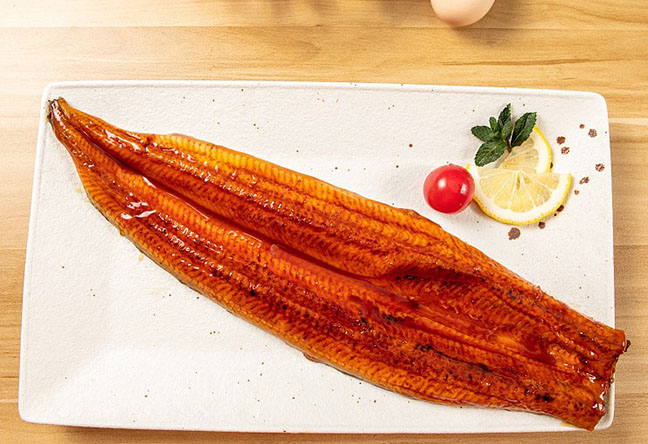
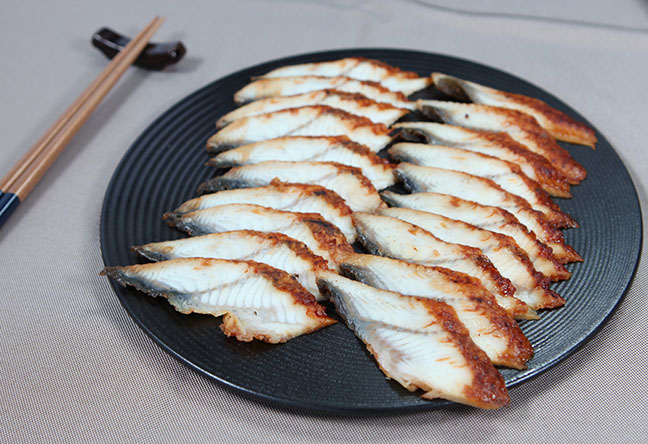
Kabayaki eel is eel prepared in a traditional Japanese style. The fish is typically opened and deboned, cut into fillets, grilled, coated with sauce, and grilled again. The result is a glossy finish, lightly caramelized edges, and a savory-sweet flavor.
So, what does kabayaki mean on an eel menu? It describes the preparation, not a separate species. A menu item called “unagi kabayaki” means freshwater eel prepared kabayaki-style. “Anago kabayaki” means conger eel prepared with a similar grilling and sauce method, although its final texture and flavor will be different.
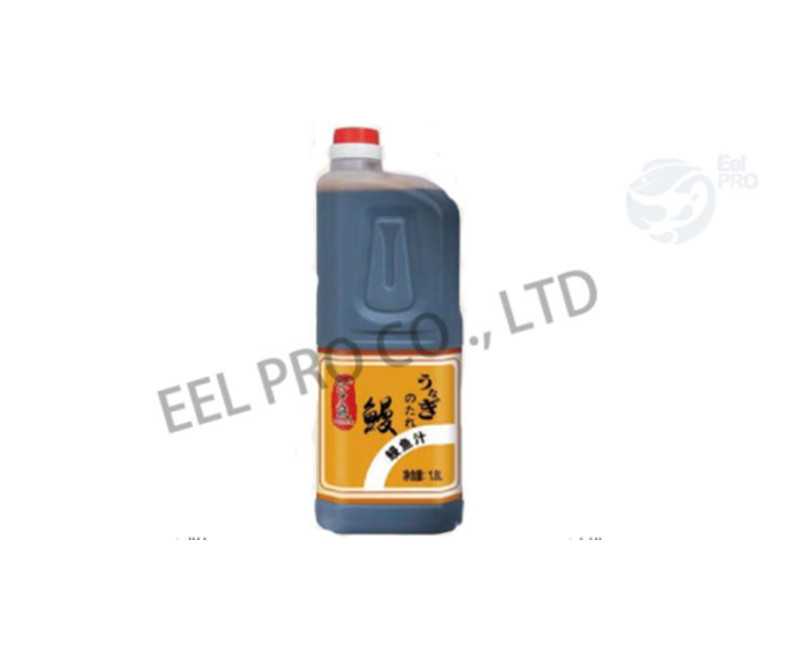
Traditional kabayaki sauce often includes soy sauce, sugar, and mirin or another sweet cooking ingredient. Recipes vary by producer and market. Some commercial products use prepared unagi tare, the Japanese term for eel sauce. Our eel sauce product is designed for eel dishes and also works well with grilled seafood, rice bowls, and noodles.
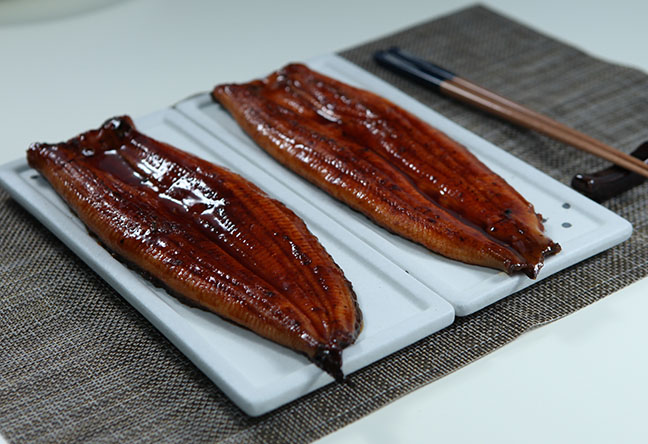
Frozen unagi kabayaki is popular in restaurants because it cuts down on preparation time. Depending on the kitchen’s operating procedure, staff can thaw or heat the portion, cut the fillet as needed, and serve it over rice, in sushi, or with noodles.
Common menu applications include:
Portion control matters for every application. A 100 g fillet may suit a rice bowl, while smaller cuts can be useful for sushi sets, bento boxes, and combination platters. Buyers can review our unagi kabayaki product information when comparing foodservice formats.
Menu language often combines the fish name with its preparation or serving format. The following terms can help buyers interpret requests from chefs and restaurant customers.
Translation can cause problems when these terms are reduced to “grilled eel.” A menu planner may need to specify “cooked freshwater eel fillet with sauce,” while a purchasing team may need a fuller description such as “frozen, fully cooked, skin-on unagi kabayaki fillet, sauce packed separately.” Precise wording helps the supplier quote the correct item.
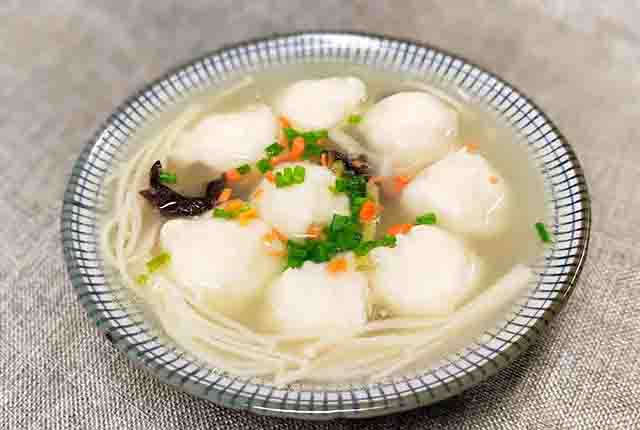
Our article on kabayaki sauce explains how sauce selection can affect flavor, appearance, and service. For menu development, you can also see practical eel recipes using cooked eel in a noodle application.
When requesting a quotation, describe the product in layers. Start with the species or trade description, then include the preparation, size, packaging, and storage condition.
A useful specification might read:
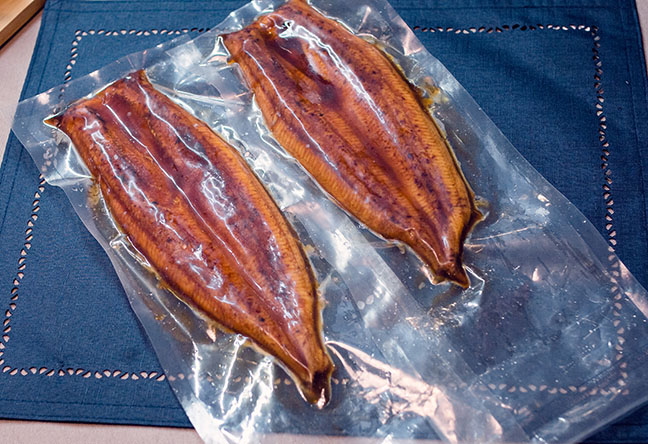
Frozen cooked unagi kabayaki fillet, freshwater eel, skin-on, boneless, sauce included, individual vacuum pack, 100–120 g per piece.
The exact wording should match the supplier’s approved product data. If species identification, country of origin, allergen information, or local labeling rules apply in your market, request the relevant documents before placing an order.
Also confirm whether the sauce is applied during production or supplied in a separate sachet. A pre-sauced product can save labor during service. Separately packed sauce gives chefs more control over portioning and can be useful when the same eel is served in rice bowls, sushi, and noodle dishes.
At Eelpro Co., LTD, we work with overseas buyers on frozen unagi kabayaki, eel sauce, freshwater eels, and other frozen seafood requirements. Share your target market, pack size, cooking format, and estimated order volume with our team so we can turn the terminology into a clear product specification.
Japanese eel usually refers to unagi, a freshwater eel in the Anguilla group. Anago refers to marine conger eel, commonly including whitespotted conger. They differ in species, habitat, fat content, texture, and typical culinary use.
Kabayaki means the eel has been filleted, grilled, and coated with a sweet-savory sauce, usually more than once during cooking. It describes the preparation method, not the eel species. “Unagi kabayaki” is freshwater eel prepared in this style.
Foodservice labels commonly identify unagi as freshwater eel and then add details such as cooked or raw, kabayaki or shirayaki, fillet size, skin-on or skinless format, sauce status, net weight, and storage condition. Buyers should also confirm the scientific or commercial species description with the supplier.
They can both be served as eel dishes, but they should not be treated as identical ingredients. Their flavor and texture differ, and replacing one with the other may affect the dish and customer expectations. State the approved species or product type clearly.
Unagi identifies the familiar freshwater eel used in dishes such as unadon and hitsumabushi. Anago identifies marine conger eel. Kabayaki tells you how the eel was prepared. Once these distinctions are clear, product descriptions, quotations, menu translations, and kitchen instructions become more accurate.
For frozen unagi kabayaki, eel sauce, freshwater eels, and frozen seafood, contact Eelpro Co., LTD with your product requirements. We can help you identify the right format for your market and foodservice operation.


 WhatsApp
 sales@chinaeels.com
 +8619937922411