





Is eel good for you? It can be, particularly when you choose a sensible portion and pay attention to how it is prepared. Eel provides high-quality protein, vitamin B12, vitamin D, and beneficial fats. However, unagi kabayaki is often finished with a sweet-salty sauce, which can add calories, sugar, and sodium compared with plain cooked eel.
For seafood buyers, restaurant operators, and health-conscious consumers, the answer depends on the overall eating pattern. Eel fits naturally into high-protein and low-carbohydrate meals with only minor adjustments. A heart-conscious diet calls for a closer look at portion size, sauce, sodium, and the rest of the plate.
The eel nutrient profile can vary by species, farmed or wild origin, whether it is raw or cooked, and how much sauce is used. USDA FoodData Central lists cooked freshwater eel at approximately 236 calories and 23.7 grams of protein per 100 grams, though commercial products may differ. Check the USDA database for the food entry and serving format that best matches your product.
These are useful eel dietary benefits, but nutrition information is not the same as a health claim. One serving of eel does not replace a varied diet, and a sauce-covered rice bowl has a very different nutritional profile from plain grilled eel served with vegetables.
Raw freshwater eel should not be eaten. Proper cooking destroys parasites and makes the fish safe to serve. In commercial kitchens, follow product instructions, maintain frozen-chain controls, and cook the center thoroughly.
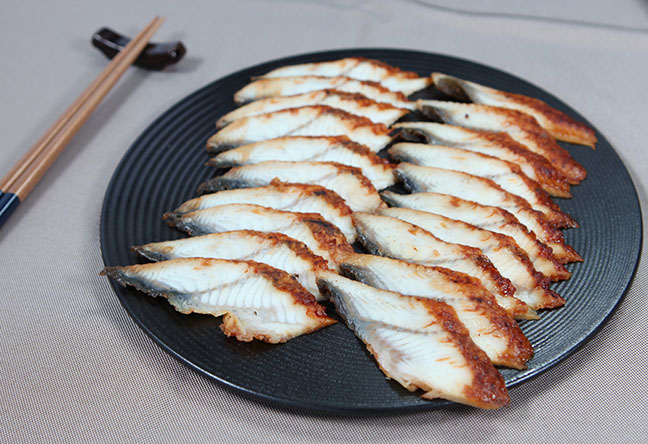
Is eel good for a high-protein diet? Yes. With roughly 24 grams of protein per 100 grams in the USDA cooked-food entry, eel can make a meaningful contribution to a protein-focused meal. It works well in rice bowls, sushi-style dishes, noodle soups, salads, and bento boxes.
Eel is more energy-dense than very lean fish because it contains more fat. That is not necessarily a drawback. Its richness can make a meal more satisfying, especially for customers who enjoy a fuller fish flavor. If the goal is maximum protein with minimal calories, however, cod, pollock, tuna, or shrimp may be a better fit.
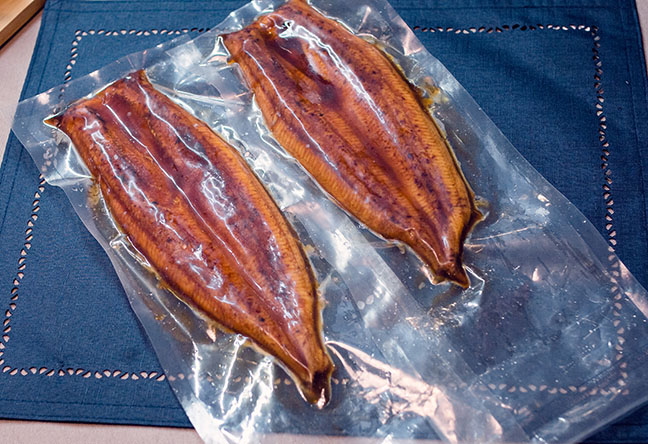
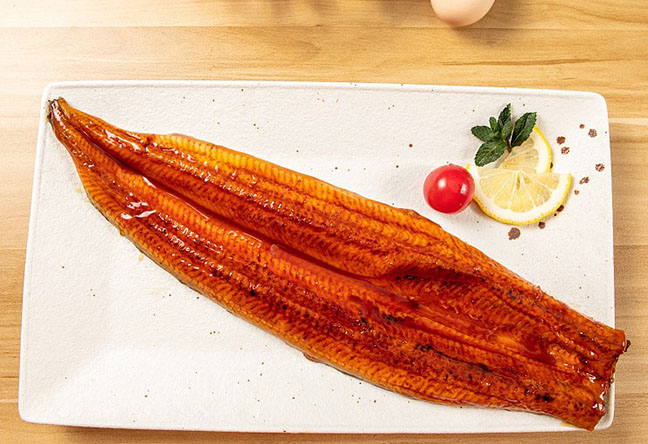
Our frozen unagi kabayaki is designed for practical foodservice use. Buyers can portion the fillets, heat them according to their kitchen process, and serve them with rice, vegetables, or noodles.
Can you eat eel on a low-carb diet? Plain cooked eel contains little carbohydrate, so it can work in a low-carb or keto-style meal. Usually, the fish is not the issue. The sauce and side dishes are.
Traditional unagi tare commonly includes soy sauce, sugar, mirin, or similar sweet seasonings. Recipes vary by supplier. As a result, a glazed kabayaki portion may contain considerably more carbohydrate than plain grilled eel. Rice, noodles, sushi rice, and sweet drinks can add even more.
For foodservice buyers, portion size and labeling matter. If your menu is marketed as low-carb, calculate the complete plate rather than the fish alone. Our eel sauce product can be used in controlled amounts, helping kitchens adjust sweetness and sodium to suit the recipe.
Is eel suitable for a heart-healthy diet? It can be included, but preparation makes a difference. Eel provides protein and unsaturated fats, yet it is not a lean fish. A heart-conscious eating pattern generally emphasizes vegetables, fruits, whole grains, beans, nuts, and seafood while limiting excess sodium, saturated fat, and added sugar.
For that reason, plain grilled eel or a lightly glazed portion may be a better choice than a large serving covered in sauce. The American Heart Association recommends eating fish, particularly fatty fish, twice per week as part of a heart-healthy pattern. Eel can count as seafood, but variety remains important. Rotate it with salmon, sardines, trout, shellfish, and lean fish.
These eel health facts show why food needs to be judged in context. Eel is not a “free food,” but it does not need to be excluded from a balanced eating pattern. Anyone managing heart disease, hypertension, diabetes, or kidney disease should follow advice from a qualified healthcare professional and use nutrition information for the actual product.
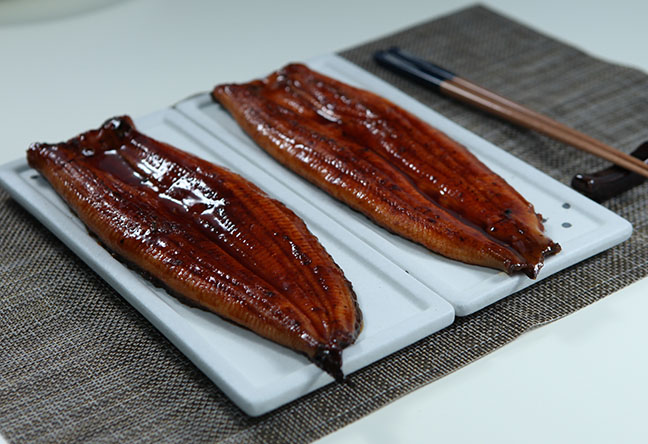
Unagi diet suitability depends on both the fish and the way it is served. Here is a practical comparison for buyers and consumers:
| Diet pattern | Can eel fit? | What to watch |
|---|---|---|
| High-protein | Yes | Use eel as the main protein and account for its fat and calories. |
| Low-carb or keto-style | Yes, when plain or lightly sauced | Check sugar in tare and replace rice or noodles with vegetables. |
| Heart-conscious | Yes, in moderate portions | Limit sodium, added sugar, and excess oil; vary seafood choices. |
| Gluten-free | Potentially | Confirm that the sauce uses gluten-free ingredients. Standard soy sauce may contain wheat. |
| Calorie-controlled | Yes, with planning | Eel is richer than lean fish, and sauce plus rice can raise meal calories quickly. |
For a warm, filling meal, try eel noodle soup with leafy greens and a controlled amount of noodles. Our eel recipes offer a useful starting point for foodservice development. If your team is refining a glaze, our guide to kabayaki sauce explains how sauce affects the finished dish.
When asking “is eel good for you,” begin with the specification sheet. Confirm whether the nutrition information applies to raw fish, cooked fish, or a finished sauced product. Ask about net weight, glazing, sauce composition, storage temperature, cooking instructions, and allergen declarations.
For frozen unagi kabayaki, thawing and reheating instructions affect both texture and food safety. Keep products frozen until needed, prevent repeated thawing and refreezing, and verify the internal temperature required by your local food code. Eel sauce should be assessed separately because its sodium, sugar, and allergen profile can differ from the fish itself.
In practice, buyers get the clearest menu results when they standardize three details: portion weight, sauce quantity, and side-dish size. This makes nutrition calculations more reliable and gives customers a consistent serving every time.
Eel can be part of a healthy diet, but eating a wide range of seafood and protein sources is generally more practical than eating eel every day. Alternate eel with other fish, beans, poultry, tofu, and lean seafood. Also consider the sodium and sugar in the sauce used.
Mercury levels vary by species, location, size, and supply chain. Check current advice from the relevant food-safety authority and your supplier’s testing or compliance documents. Pregnant people, children, and frequent seafood consumers should follow local guidance rather than assume every eel product has the same mercury level.
Yes. Unagi sauce can add sodium, sugar, and calories to the fish. A plain or lightly sauced serving will usually have a different nutrition profile from a heavily glazed kabayaki bowl. Use the finished recipe, not the fish alone, when calculating menu values.
It can fit a calorie-controlled diet in a measured portion. Eel is naturally richer than many white fish, so pair it with vegetables and control the rice, oil, and sauce. Compare the nutrition panel for the exact product you plan to buy.
So, is eel good for you on different diets? In many cases, yes. Its protein, vitamin B12, vitamin D, and naturally rich flavor can support high-protein and low-carb meals. For a heart-conscious pattern, choose moderate portions, limit sweet-salty sauce, and serve eel with vegetables alongside a varied seafood selection.
Eelpro Co., LTD supplies frozen unagi kabayaki, eel sauce, freshwater eels, and frozen seafood for overseas buyers. Contact us about unagi kabayaki and product specifications for your next retail or foodservice program.



 WhatsApp
 sales@chinaeels.com
 +8619937922411