





Eel tempura gives restaurant menus a distinctive seafood option, but success depends on more than the batter and fryer. Buyers need to consider usable weight, portion size, preparation time, packaging, sauce cost, and where the dish fits on the menu.
For restaurants, distributors, and catering operators, a portion worksheet is the most practical place to start. Record packed weight, thawed weight, trim loss, cooking loss, and finished serving size. This provides a dependable cost per portion rather than relying on a supplier’s pack size alone.
Eel has a rich, firm texture that stands up well to frying. Crisp batter around tender fish creates several menu opportunities: a standalone appetizer, a sushi-bar side, a rice bowl topping, or part of a mixed seafood platter.
Some operators use the name unagi tempura for Japanese-style menus. The description should match both the product and the preparation method. If the eel has already been seasoned and cooked as kabayaki, the finished dish will be sweeter and more savory than tempura made with plain raw eel. That distinction matters when choosing sauces and writing the menu description.
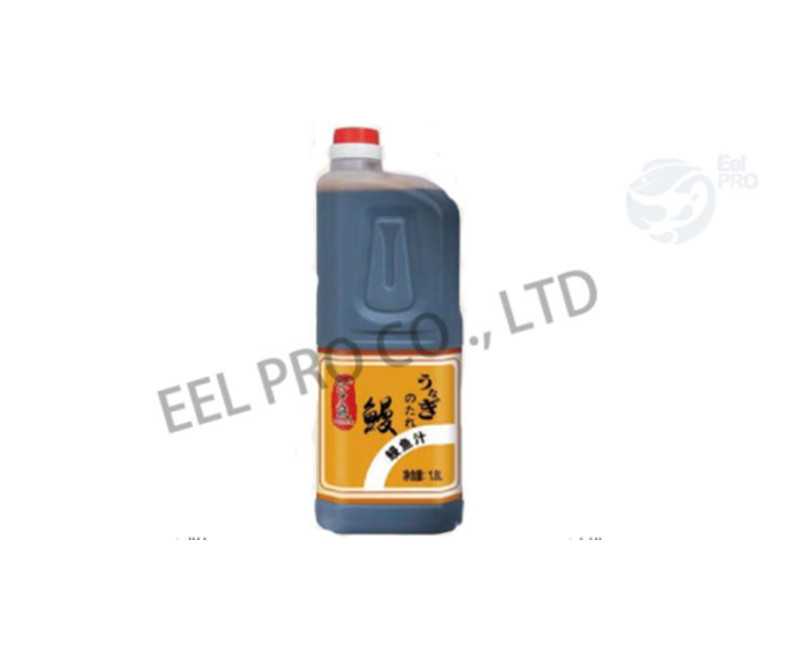
Eel tempura also lets chefs work with familiar Japanese flavors without keeping the dish within a strictly traditional format. Serve it with grated daikon, tentsuyu, shiso, yuzu, or a light spicy mayonnaise. For a rice bowl, a measured drizzle of eel sauce may take the place of a separate dipping sauce. Our eel sauce product suits operators seeking a consistent unagi tare component across multiple dishes.
The product format affects both labor and yield. Before requesting a quotation, specify whether you need whole freshwater eel, fillets, cooked kabayaki, or a prepared frozen eel tempura item.
Raw fillets give chefs control over seasoning, cut size, and batter coverage. They may require thawing, portioning, trimming, and more hands-on handling. This format can work well in kitchens with experienced seafood staff, though labor must be included in the dish cost.
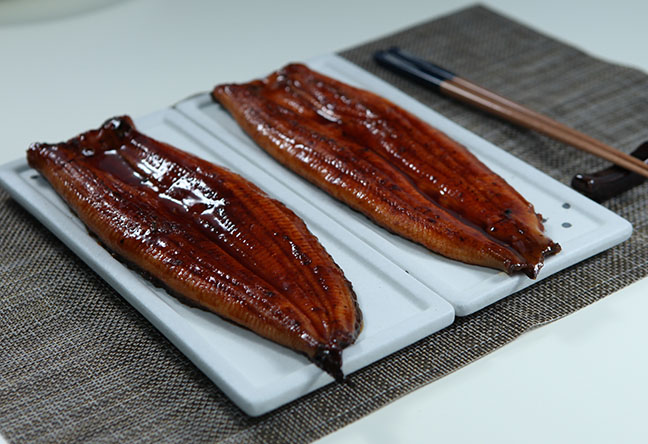
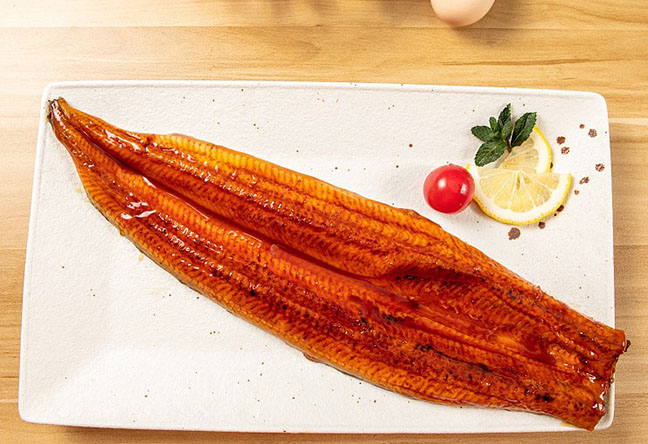
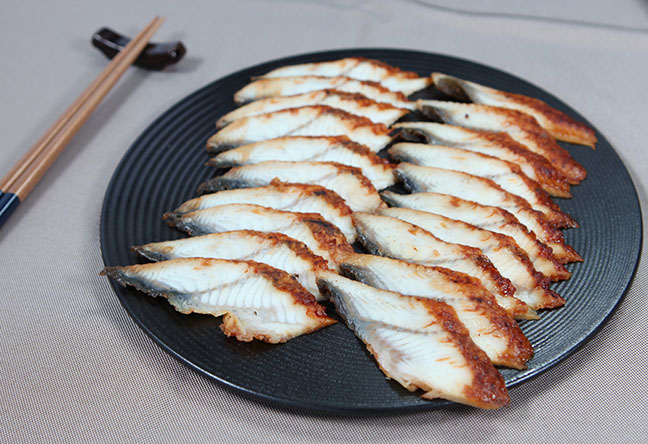
Cooked kabayaki is already seasoned and heat-treated, which can shorten preparation time. It is useful for operations that need a consistent eel component for rice bowls, sushi combinations, or fried menu items. Surface sauce, however, can affect batter adhesion. Test whether the product performs better after light drying, cutting into portions, or applying a thinner coating.
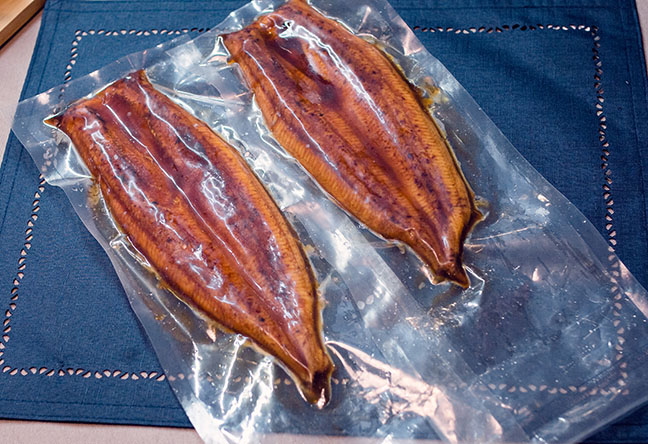
Eelpro Co., LTD supplies frozen unagi kabayaki for overseas foodservice and distribution applications. Before finalizing a menu test, ask for the specification sheet, pack configuration, glazing details, storage requirements, and recommended handling procedure.
A ready-to-fry item can reduce kitchen labor and help standardize portions. Buyers should confirm whether the stated net weight includes batter, whether the product is raw or pre-cooked, and how it is packed. Those details affect how much fish the customer receives and the actual cost per serving.
No single yield figure applies to every eel product. Results vary with the starting format, thawing method, trimming specification, batter pickup, and serving style. Use the supplier’s net weight along with your own kitchen test instead of relying on a general industry assumption.
For a basic calculation:
Usable eel yield (%) = finished usable eel weight ÷ received net eel weight × 100
For portion planning:
Number of portions = finished usable eel weight ÷ target eel weight per portion
For example, a kitchen may test a 5 kg carton and record 4.6 kg of usable eel after thawing and trimming. If the target serving contains 80 g of eel before batter, the theoretical output is 57.5 portions. Round down to 57 portions, then compare that figure with actual service waste. This is an example calculation, not a product yield guarantee.
Batter adds weight, but it does not replace the fish portion. A menu described as “eel tempura” should clarify whether the listed portion refers to eel weight, total finished weight, or piece count. Piece counts can simplify service, while weight-based specifications are usually better for purchasing and cost control.
For more efficient purchasing, maintain separate specifications for plated portions and smaller pieces used in bowls, sushi rolls, or mixed tempura. Uniform cuts are not necessary for every dish. Smaller pieces can support a lower-priced menu item without requiring the chef to discard usable eel.
The right menu format depends on portion size and the price customers expect. A premium appetizer may use larger, neatly cut pieces, while a lunch bowl can feature smaller strips with rice and pickles.
Serve two or three pieces with tentsuyu, grated daikon, and scallion. This format keeps portion control straightforward. It also lets the restaurant price a focused seafood item without building a large plate around it.
Pair a small eel tempura portion with sushi, sashimi, or a modest serving of kabayaki. The combination offers guests two textures and allows the same eel sauce to be used across the menu. Keep sauce portions measured; too much can soften the batter before the plate reaches the table.
Use cut pieces over steamed rice with vegetables, pickles, and a controlled amount of tare. This is one of the practical eel tempura menu ideas for lunch service because rice and vegetables can fill out the plate while the eel portion remains fixed.
Include eel alongside shrimp, squid, white fish, or seasonal vegetables. A mixed platter gives customers a chance to try eel without committing to a full eel dish. For distributors, this format may appeal to restaurants that already purchase frozen seafood and want to add one specialty item.
When writing the menu description, state whether the eel is seasoned kabayaki, plain eel, or a prepared tempura product. Guests may expect different flavors from “unagi tempura” and “fresh eel tempura.” Clear wording also reduces questions during service.
Foodservice buyers should request storage temperatures, shelf-life information, thawing instructions, allergen details, and packaging specifications. Follow local food regulations and the supplier’s handling instructions. Do not refreeze product unless product documentation and local requirements specifically allow it.
For any fried menu item, standardize oil temperature, batter viscosity, frying time, draining, and holding time. Assess a test batch after it has spent several minutes on the pass, not only when it comes out of the fryer. This shows whether the coating remains crisp long enough for the restaurant’s service pattern.
Cross-contact also needs attention. Tempura batter commonly contains wheat, and some kitchens use egg or shared frying oil. Confirm the recipe and declare allergens according to the destination market’s rules. If the restaurant serves gluten-free customers, a separate fryer and controlled batter system may be necessary.
Keep a simple production card for each item:
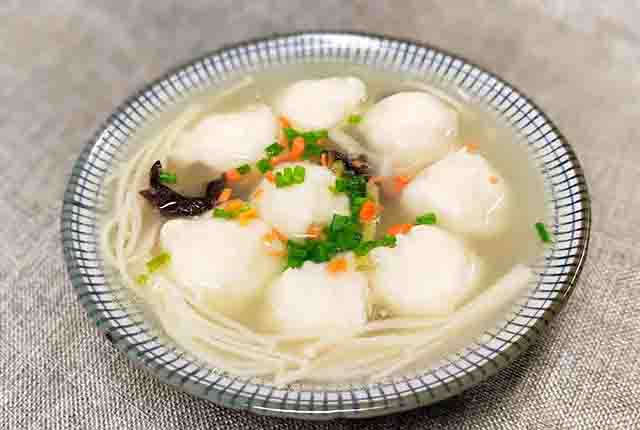
Operators serving noodle dishes can carry the same flavor profile into another menu category. Our eel recipes provide a reference for using eel in soup-based menu development, while our article on kabayaki sauce explains how sauce selection can shape the finished dish.
Calculate plate cost from the finished portion, not from the carton price alone. Include eel, batter, oil usage, sauce, garnish, side dishes, takeaway packaging, labor, and an allowance for waste.
A simple food cost formula is:
Food cost per portion = total batch ingredient cost ÷ sellable portions
If a 5 kg carton produces 57 sellable portions in your test, divide the carton cost by 57 rather than by 62.5 theoretical 80 g portions. Add the cost of other ingredients and packaging before setting the price.
Begin with the restaurant’s target food-cost percentage and actual plate cost. For example, if the target is 30% and the complete plate costs $4.50, the base menu price would be $15 before tax, delivery-platform commission, promotional discounts, or local pricing norms. This is a costing example, not a recommended market price.
Price should also reflect the format. A two-piece appetizer, a premium rice bowl, and a mixed seafood platter may use different portion sizes and require different levels of labor. Track sales by format for several weeks, then adjust the portion or price if a popular dish delivers a low contribution margin.
Set a target eel weight or piece count for each menu format, then run a measured test using the exact product and preparation method. Weigh the received product, thawed product, trimmed pieces, and finished portions. Plan purchasing around the number of sellable portions, not the number of pieces in a carton.
Yield depends on whether the product is raw, trimmed, cooked kabayaki, or already prepared with batter. Thawing, trimming, cutting, and service waste also affect the result. Request the supplier’s net-weight specification and calculate yield with a sample batch. Eelpro Co., LTD can provide product details for quotation and testing.
Divide the total batch cost by sellable portions, then include batter, oil, sauce, garnish, labor, packaging, and expected waste. Compare the resulting plate cost with your target food-cost percentage and local customer expectations. A fixed portion specification makes future price reviews much easier.
It can suit certain menu concepts, especially when the kitchen wants seasoned eel and shorter preparation time. Conduct a fry test first because surface sauce may affect batter adhesion and browning. A plain eel product may be preferable when the chef wants full control over seasoning.
Eel tempura works best when product format, portion weight, frying method, and menu price are planned together. Start with a controlled sample, document the actual yield, and select a pack specification that fits your service volume.
Eelpro Co., LTD supplies frozen unagi kabayaki, eel sauce, freshwater eels, and frozen seafood for overseas buyers. Contact us for product specifications, packing information, and a foodservice quotation.


 WhatsApp
 sales@chinaeels.com
 +8619937922411