





An eel dish can appear under several names on Japanese, Korean, Chinese, and international restaurant menus. For foodservice buyers, the wording matters. “Unagi” identifies the eel, while “kabayaki” refers to the preparation method. A product labeled “unagi kabayaki” therefore identifies both the ingredient and a ready-to-use format.
This guide covers common eel dish types, cooking terms, and menu expressions. It also explains how these names relate to frozen products, portion planning, and restaurant purchasing.
“Unagi” is the Japanese word commonly used for freshwater eel. On restaurant menus and in seafood trade materials, it usually refers to Japanese eel, Anguilla japonica, or closely related freshwater eel products used in the same culinary applications. Unagi is valued for its rich flavor, tender texture, and relatively high oil content.
“Anago” means conger eel, a marine eel used in Japanese cuisine. It is not the same fish as unagi. Anago generally has a lighter flavor and firmer texture, and it is often simmered, grilled, or served as sushi. A menu item described as “anago sushi” should not be treated as an unagi product specification.
On English-language menus, “freshwater eel,” “Japanese eel,” and “unagi” may refer to the same broad product category. For importing and purchasing, however, buyers should confirm the scientific name, origin, size, processing method, and glazing details instead of relying on the menu name alone.
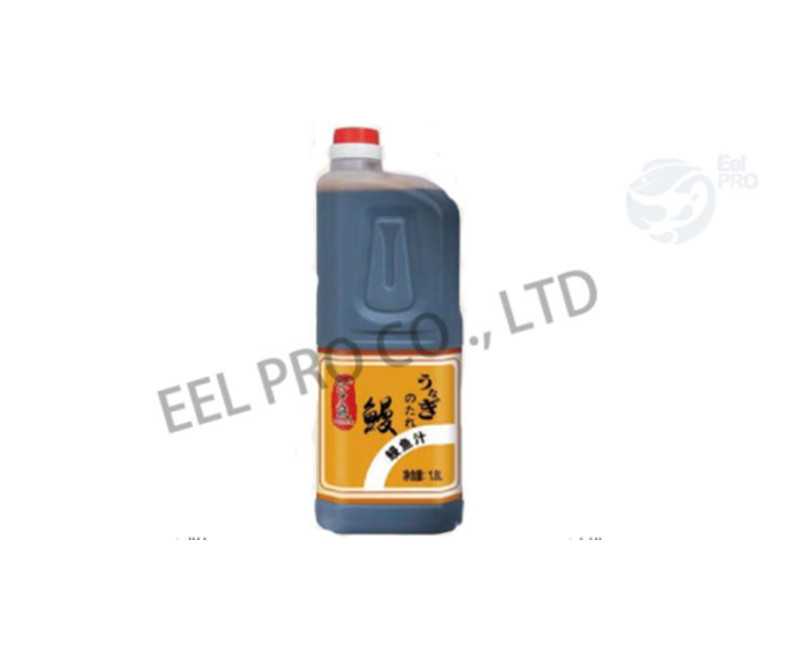
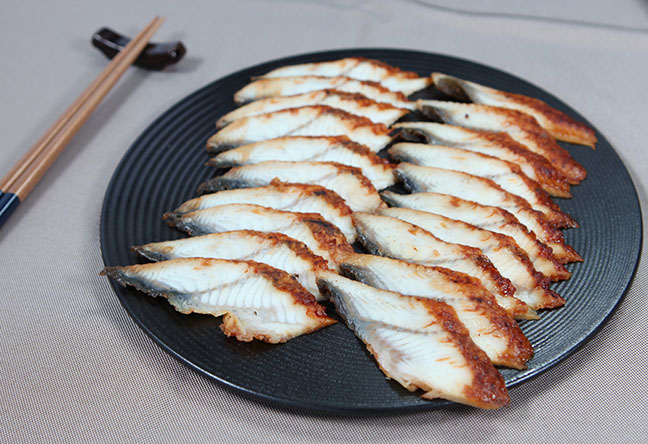
Kabayaki eel is usually opened, deboned, cut into sections, skewered, grilled, and coated with a sweet-savory sauce. This sauce is commonly called tare. Traditional ingredients include soy sauce, sugar, mirin, and sometimes sake, although commercial recipes vary by producer and market.
The word “kabayaki” describes a preparation style, not a separate species. Unagi kabayaki means freshwater eel prepared in the kabayaki style. On export specifications, you may see terms such as:
Production methods vary by supplier. Some kabayaki is grilled, steamed, then grilled again, while other products are cooked through direct grilling. The Kanto style associated with eastern Japan traditionally includes steaming before the final grilling. Kansai-style eel, linked with western Japan, is traditionally grilled without that steaming step. These regional traditions help explain differences in texture, though commercial producers may follow their own methods.
For a closer look at sauce flavor and use, see our guide to kabayaki sauce. For restaurant groups seeking a consistent finish across several locations, a prepared glaze can help standardize each serving.
The best-known eel dish types pair unagi with rice, noodles, sushi rice, or simple seasonings. The following names are common in Japanese restaurants and on international menus influenced by Japanese cuisine.
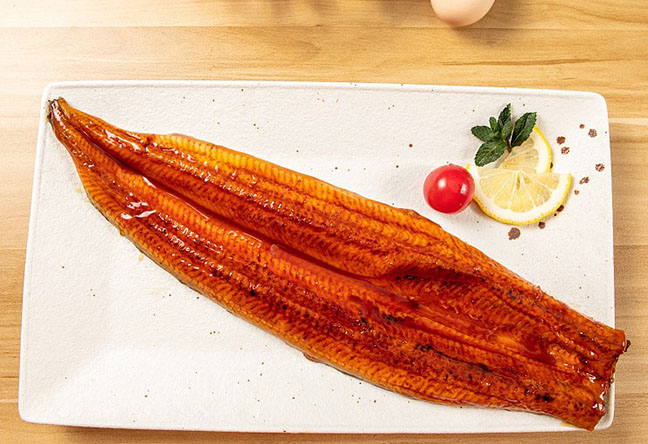
Unadon, short for unagi donburi, is grilled eel served over steamed rice in a bowl. “Don” or “donburi” indicates a rice bowl. The eel is typically brushed with tare before being placed over the rice. Portion size and sauce levels vary from one restaurant to another.
Unajyu, also written unaju, uses the same basic combination of kabayaki eel and rice but is served in a lidded lacquer-style box called a ju. For menu planning, the main difference is presentation and service style rather than the ingredient itself.
Hitsumabushi is a Nagoya specialty. Grilled eel is cut into small pieces and served with rice. Diners often enjoy it in stages: first with eel and rice alone, then with toppings such as green onion and wasabi, and finally with broth or tea poured over the bowl.
For foodservice operations, hitsumabushi can be made with sliced or chopped kabayaki portions. Cut size should be clearly defined in the purchase specification because it affects plating, portion cost, and the finished appearance of the bowl.
Shirayaki is eel grilled without the dark, sweet tare used for kabayaki. It is often served with salt, wasabi, grated daikon, or a light dipping sauce. Since the flavor of the eel is more exposed, freshness, fat content, and grilling quality are especially noticeable.
Shirayaki may appear as “plain grilled eel” on English menus. That wording can help international diners, but buyers should still verify whether the product is fully cooked, seasoned, or supplied with sauce separately.
Unagi appears in several sushi formats. Unagi nigiri places a piece of glazed eel over seasoned sushi rice. Unagi maki uses eel inside a seaweed-and-rice roll, often paired with cucumber or avocado. Eel also appears in specialty rolls topped with sauce.
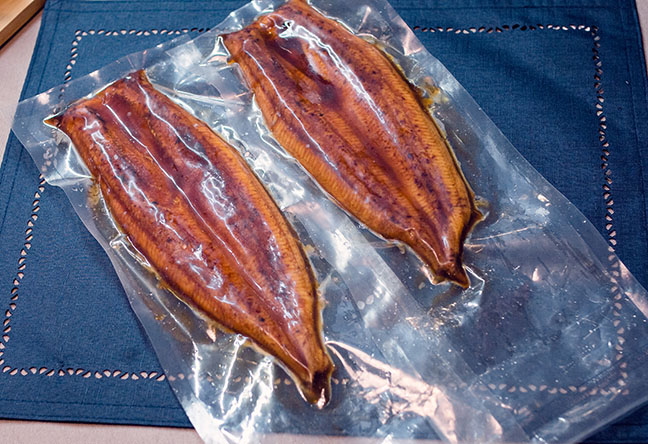
Because kabayaki is already cooked, it is commonly reheated before sushi assembly. Foodservice buyers should check portion dimensions, skin-on or skinless format, bone removal, glaze level, and reheating instructions. These details are more useful than the broad label “sushi eel.”
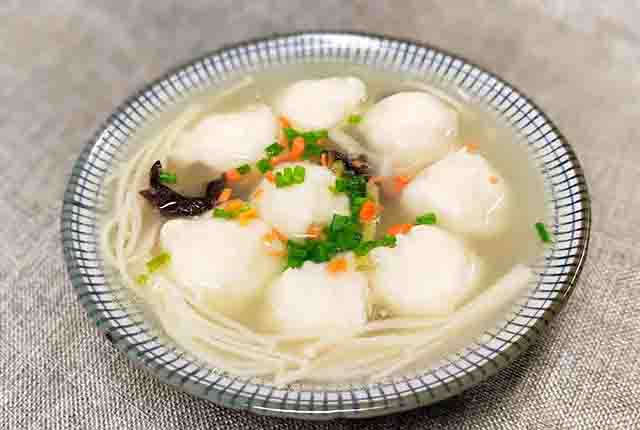
Eel is also served with noodles, vegetables, and broth. In Chinese cuisine, freshwater eel may be braised or stir-fried with garlic, scallion, bamboo shoots, or black pepper. In Japanese cooking, eel can be used in noodle dishes or served over rice and soba.
For a practical home or foodservice preparation, our eel recipes page includes an eel noodle soup approach. Dish names may vary by region, but the purchasing questions remain much the same: Is the eel cooked? Is it boneless? Is sauce included? How much product is needed per serving?
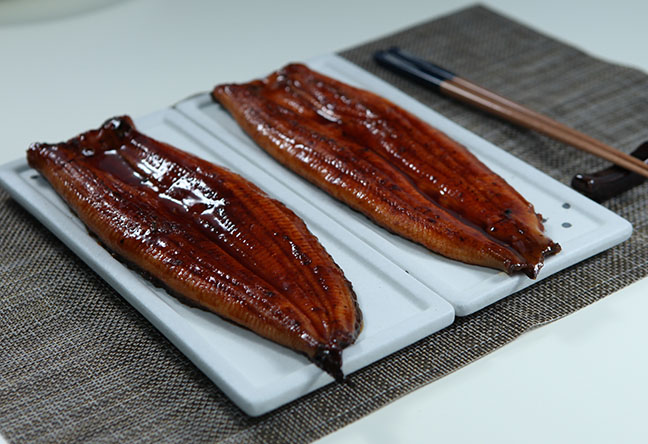
Restaurant menus often shorten technical product names. “Unagi bowl” may mean unadon, while “grilled eel” could refer to kabayaki or shirayaki. “BBQ eel” is an informal English term that usually suggests grilled, sauced eel, but it does not define the species or production method.
When comparing suppliers, separate the dish name from the product specification. Ask for the following information:
“Glaze” deserves close attention. Depending on the specification and local labeling rules, a frozen kabayaki product may include sauce as part of its net pack weight. Comparing fish weight alone with total pack weight can result in an inaccurate cost calculation.
If you need a ready-to-heat item for rice bowls, sushi, or meal kits, review our unagi kabayaki product information. For operations that prefer to finish the dish in-house, our eel sauce product page covers the sauce option separately.
A menu name may suggest the serving occasion, but it does not always reveal the required product format. A restaurant serving unadon may need long fillets for an attractive presentation. A sushi counter may prefer smaller, uniform pieces. A central kitchen producing bento boxes may value pre-portioned frozen kabayaki that reheats reliably.
For example, a 100-gram eel fillet may suit a rice bowl, while smaller cuts can work well in sushi rolls or mixed seafood boxes. The right format depends on the dish, labor costs, available equipment, and local customer expectations.
Match the purchase specification to the planned menu name. If the menu says “shirayaki,” do not substitute a heavily glazed kabayaki product. If it says “unagi nigiri,” confirm that the eel pieces are sized for sushi assembly. Clear terminology reduces kitchen adjustments and makes staff training easier.
Unagi identifies freshwater eel, while kabayaki describes a grilled, sauced preparation. Dishes such as unadon, unajyu, hitsumabushi, shirayaki, and unagi sushi refer to different serving styles. Once these terms are understood separately, menu planning and supplier discussions become much clearer.
Eelpro Co., LTD supplies frozen unagi kabayaki, eel sauce, frozen seafood, and freshwater eels for overseas foodservice buyers and importers. Contact us to discuss portion size, packaging, sauce, and the product format that best fits your eel dish menu.
Common types include unadon, unajyu, hitsumabushi, shirayaki, unagi nigiri, unagi maki, and eel noodle dishes. The names usually indicate the serving format, sauce, or cooking method.
Unagi is the Japanese term commonly used for freshwater eel. Kabayaki is a preparation method in which eel is typically grilled and coated with a sweet-savory tare sauce. Unagi kabayaki is freshwater eel prepared in that style.
Menus may name the eel, the cooking method, the serving vessel, or the accompanying food. For example, “unagi” identifies the eel, “kabayaki” identifies the preparation, “don” indicates a rice bowl, and “maki” indicates a sushi roll.
No. Unagi generally refers to freshwater eel, while anago refers to conger eel, a marine eel. They have different species characteristics and are not interchangeable in every recipe or product specification.
Check the species, fillet or portion size, bone-removal standard, skin condition, cooking method, glaze percentage, pack weight, storage requirements, and reheating instructions. These points provide a clearer comparison than the menu name alone.


 WhatsApp
 sales@chinaeels.com
 +8619937922411