

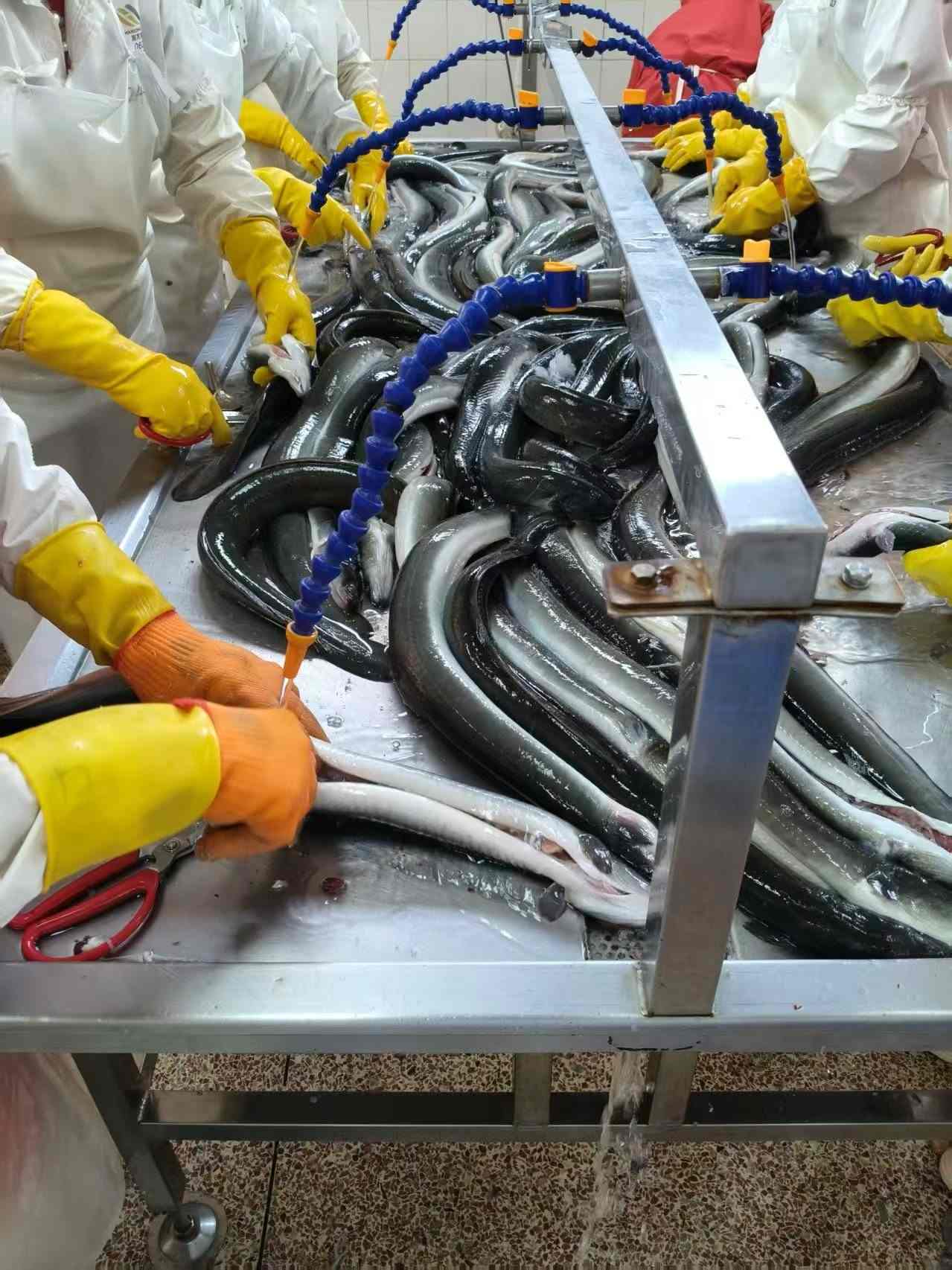
Eel Unagi vs Anago: What Buyers Should Know
Eel unagi generally refers to freshwater eel used in Japanese-style dishes, while anago typically refers to saltwater conger eel. The distinction may seem straightforward, but it affects species identity, flavor, texture, product labeling, menu terminology, and purchasing decisions. For importers, distributors, and foodservice buyers, using the wrong term can cause confusion long before the product reaches the kitchen.
What Is the Difference Between Eel Unagi and Anago?
The central difference in the unagi vs anago discussion is their habitat and commercial identity.
- Unagi: generally refers to freshwater eel used in Japanese cuisine.
- Anago: generally refers to saltwater conger eel, often served in sushi, tempura, and other Japanese dishes.
Freshwater eel belongs to the eel group commonly associated with the genus Anguilla. Buyers may see products described as Japanese eel, freshwater eel, or unagi. Always compare the commercial name with the supplier’s product specification and label.
Anago is commonly associated with conger eel, a marine eel. It is not simply a smaller unagi or a differently prepared version of the same fish. It is a separate commercial category with its own culinary profile and sourcing considerations.
For background, the term freshwater eel covers the eel group connected with the unagi category. However, buyers should not rely on a common name alone. Request the scientific name, country of origin, product form, and processing description before approving a shipment.
Unagi vs Anago: Species Identity and Buyer Terminology
Unagi is usually freshwater eel
In Japanese foodservice, unagi commonly means freshwater eel that has been cleaned, split, grilled, seasoned, and served with a sweet-savory sauce. The familiar dish is often called unagi kabayaki.
The term Japanese eel may refer to a specific eel species in some trade and culinary contexts, but it can also be used loosely in menus and product descriptions. Buyers should therefore separate three key points:
- The common market name.
- The scientific species name.
- The actual product form and processing method.
A frozen fillet labeled “unagi” may be sold as kabayaki, plain grilled eel, or a raw prepared portion. These formats are not interchangeable for every customer. A restaurant using a ready-to-heat rice bowl product has different requirements from a distributor supplying chefs who want to season and grill the fish themselves.
Eelpro Co., LTD supplies frozen unagi kabayaki, freshwater eels, eel sauce, and other frozen seafood products for overseas buyers. Buyers can review the unagi kabayaki product range when comparing ready-to-serve formats and foodservice applications.
Anago is usually saltwater eel
Anago generally refers to conger eel from marine environments. Its flesh is often perceived as lighter and less oily than freshwater eel. Texture may also be softer and more delicate, depending on the species, size, handling, and cooking method.
On sushi menus, anago is frequently associated with gentle sweetness and a lighter sauce. It may be brushed with a soft glaze rather than presented in the darker, fuller kabayaki style commonly linked with unagi. These are culinary patterns rather than guarantees. Buyers should still verify the product description and processing details.
Do not assume that the word “eel” identifies the fish clearly enough. A carton marked only “eel” leaves important questions unanswered. Is it freshwater or marine? Is it unagi or anago? Is it whole, filleted, skinned, boneless, cooked, smoked, or sauced? These details affect product positioning and customer expectations.
Flavor and Texture: How the Two Eels Compare
At the table, the most noticeable difference is often the level of richness.
Typical unagi profile
Freshwater eel is commonly valued for its rich mouthfeel, firm yet tender flesh, and naturally oily character. When prepared as kabayaki, the fish is grilled and paired with a sweet-savory sauce. The surface can become glossy and deeply seasoned while the inside remains soft.
This profile works well in:
- Rice bowls and donburi.
- Sushi rolls and hand rolls.
- Restaurant lunch sets.
- Ready-to-heat retail packs.
- Ramen and noodle dishes.
For serving ideas, buyers and menu developers can explore eel rice bowl toppings or use the practical guide to unagi ramen.
Typical anago profile
Anago is often selected when a menu calls for a milder seafood character and lighter texture. It can suit sushi counters, tempura menus, and dishes where the chef wants the sauce, rice, or garnish to remain prominent.
That does not mean anago is automatically better, or that unagi is always richer in every batch. Fish size, fat content, preparation, freezing, thawing, and cooking all influence the final result. Experienced buyers look beyond the species name and evaluate the complete specification.
| Buying point | Unagi | Anago |
|---|---|---|
| Typical habitat | Freshwater or freshwater-associated life cycle | Saltwater or marine environment |
| Common culinary identity | Rich, grilled, sauced eel | Lighter conger eel used in sushi and other dishes |
| Common menu formats | Kabayaki, rice bowls, rolls, noodle dishes | Sushi, tempura, lighter grilled preparations |
| Buyer risk | Vague species or processing language | “Eel” labeling that does not identify conger eel |
The table provides a purchasing framework, not a substitute for product documentation. Texture and flavor can vary within both categories.
How Can Buyers Distinguish Unagi from Anago?
Visual inspection can help, but it should not be the only control. Once fish has been filleted, cooked, glazed, and frozen, species identification becomes difficult based on appearance alone.
Check the product label first
Look for clear wording such as:
- Freshwater eel or Japanese eel for the unagi category.
- Conger eel or marine eel for the anago category.
- Scientific name, when supplied.
- Country of origin.
- Raw, cooked, grilled, smoked, or sauced status.
- Boneless or bone-in preparation.
Also confirm whether the product is sold as whole fish, fillet, cut portion, or kabayaki. A buyer ordering frozen unagi kabayaki should verify whether the sauce has already been applied and whether the package is intended for direct reheating or further kitchen preparation.
Ask for product documents
Before purchasing, request a product specification sheet and, where possible, a commercial sample. The specification should identify the species or accepted commercial name, processing style, packaging information, storage instructions, and labeling details required for the destination market.
For distributors, this step helps prevent a common issue: the sales team promotes “Japanese eel,” while the technical or import documents use a different description. Align the product name across the quotation, carton, invoice, product label, and customer-facing materials.
Use appearance as a secondary clue
Whole fish may show differences in body shape, skin pattern, and size, but prepared fillets are much harder to identify with confidence. Sauce color is not proof of species. A dark glaze can make freshwater eel and conger eel look similar.
Avoid this trap: never identify a product solely by its sauce, fillet color, or the word “Japanese” in a menu description. “Japanese-style” may describe the recipe rather than the species.

Which Eel Is Better for Foodservice?
The better choice depends on the menu, customer expectations, preparation process, and purchasing model.
Choose unagi when richness and menu recognition matter
Unagi is often a strong fit for restaurants that want a recognizable grilled eel dish. Frozen kabayaki can support rice bowls, sushi rolls, bento meals, and quick-service formats. The sauce and grilling style give the product a clear menu identity.
It may also reduce kitchen preparation compared with raw whole eel. Buyers should still confirm thawing, reheating, portioning, and holding procedures with the supplier and local food-safety team. Do not add unverified preparation claims to the menu or product sheet.
For sauce planning, see Eelpro’s eel sauce product page. A separate guide explains why kabayaki sauce matters in the finished dish. Check the URL spelling before publishing links in a live CMS.
Choose anago when a lighter style fits the menu
Anago may suit sushi bars, Japanese restaurants, and seafood menus that prefer a softer, lighter eel profile. It can work well when the chef wants the rice, vinegar, garnish, or tempura coating to remain easy to taste.
For distributors, anago may also serve a different market segment from unagi. The key is to present the distinction honestly. Do not substitute one for the other without notifying the customer, especially when a recipe, menu photograph, or established dish name specifies unagi.
Compare the whole cost, not only the purchase price
Foodservice buyers should review more than the quoted price per carton. Consider:
- Usable portion format.
- Whether sauce is included.
- Preparation labor.
- Menu price and customer expectation.
- Packaging and storage requirements.
- Consistency between shipments.
- Whether the product is intended for retail or foodservice.
A lower-cost product may require more kitchen work. A prepared kabayaki portion may cost more per unit but help a busy operation standardize service. The most useful comparison is the delivered, usable product against the customer’s required dish.
Labeling and Sourcing Questions for Importers
Common names differ between countries. Importers should confirm how “unagi,” “Japanese eel,” “freshwater eel,” “anago,” and “conger eel” are treated in the destination market. Local rules may require a specific commercial designation, scientific name, origin statement, or processing description.
Use a written supplier checklist:
- What species is supplied?
- Is it freshwater eel or saltwater eel?
- What is the scientific name?
- Is the product raw, cooked, grilled, smoked, or sauced?
- Is the product sold whole, filleted, or portioned?
- Are bones removed?
- What labeling information accompanies the shipment?
- Does the carton description match the invoice and customer specification?
These questions are especially useful when sourcing from multiple suppliers. A distributor may carry both categories, but the catalog should make the distinction clear. Accurate descriptions reduce complaints and help restaurant customers choose the right fish for their menu.
Cold Fact: Sauce Can Hide the Difference
Here is a practical point for buyers: after grilling and glazing, visual differences between species can become subtle. A glossy brown sauce may conceal the skin, flesh color, and body characteristics that help identify whole fish.
That is why sample tasting should be paired with document review. Taste alone can also be misleading. Sauce intensity, grilling level, sugar content, and reheating method can all change the eating experience.
Best practice: approve the product based on its documented identity and agreed specification, then use tasting to confirm culinary performance. Do not use tasting as the only species-control method.
Frequently Asked Questions
What is the difference between eel unagi and anago?
Eel unagi usually refers to freshwater eel, while anago usually refers to saltwater conger eel. They are different commercial categories. Unagi is commonly associated with a richer, oilier texture and grilled kabayaki preparations. Anago is often lighter and softer, with frequent use in sushi and tempura.
Because common names can vary, buyers should confirm the scientific name, product form, origin, and processing method in supplier documentation.
How can buyers distinguish unagi from anago?
Start with the product label and specification sheet. Look for freshwater eel or Japanese eel wording for unagi, and conger eel or marine eel wording for anago. Request the scientific name whenever possible.
Appearance can help with whole fish, but it is unreliable after filleting, cooking, freezing, or glazing. Sauce color is not a dependable species marker. For imported products, the quotation, invoice, carton, and label should all use consistent terminology.
Which eel is better for foodservice?
Neither is universally better. Unagi is often a good choice for rich grilled dishes, rice bowls, kabayaki, sushi rolls, and convenient prepared formats. Anago may be better suited to lighter sushi, tempura, and menus that prefer a softer marine eel profile.
The final decision should match the dish, customer expectations, kitchen labor, portion format, and labeling requirements. Buyers should compare the complete delivered product rather than focusing only on species or price.
Final Buying Takeaway
Unagi and anago may share the word “eel,” but they serve different commercial and culinary roles. Unagi is typically freshwater eel with a rich profile and strong association with kabayaki. Anago is typically saltwater conger eel with a lighter character and common use in sushi and tempura.
For a confident purchase, confirm species identity, product form, sauce status, labeling, and intended foodservice use before placing an order. Eelpro Co., LTD can support buyers comparing frozen unagi kabayaki, freshwater eels, eel sauce, and frozen seafood formats. Visit the unagi kabayaki manufacturer page to explore the product category.
Which do you prefer for foodservice: rich kabayaki-style unagi or lighter anago? Share your menu experience with us, and explore Eelpro’s eel cooking methods for more serving ideas.