

Eels Soup Explained: Types, Broths, and Menu Uses
Eels soup is a broad culinary category uniting rich eel broth with tender pieces of freshwater eel. It’s not one single dish. It’s a spectrum. You might find a crystal-clear Japanese-style soup served in a lacquered bowl, or a hearty, spiced broth ladled over rice in a bustling Southeast Asian market. For a food importer or restaurant chain, understanding this range is the first step toward spotting a menu hit.
The magic starts with the fat. Eel flesh carries a high lipid content that melts into hot liquid, creating a silky mouthfeel you simply can’t fake with leaner fish. Whether you’re working with live eels or our unagi kabayaki product, that characteristic richness is what turns a simple soup into a signature item.
What Is Eels Soup? Defining the Category
Let’s get specific. Eels soup refers to any soup where eel is the star protein, suspended in a liquid base that ranges from light dashi to heavy bone stock. The eel itself can appear in multiple formats:
- Freshwater eel fillets (often pre-grilled or steamed)
- Kabayaki-style slices (glazed with sweet soy, then added to the bowl)
- Fried eel bones or head (used for stock or as a crunchy garnish)
- Processed eel paste (common in some industrial soup bases)
In Japanese cuisine, unagi soup is often a clear broth served alongside grilled eel over rice. The soup—sometimes called kimosui—is traditionally made from the eel’s liver and spine, boiled with a strip of burdock root and a thin slice of citrus peel. It tastes clean, slightly bitter, and cuts through the fatty sweetness of glazed fillets perfectly. That’s the art of balance.
But unagi soup isn’t the only player. Across China, you’ll find milky-white eel broths simmered with ginger and goji berries. In Korea, spicy eel stews bubble with gochujang. Each version solves a different craving—and opens a different menu slot for a restaurant chain.
What Types of Broth Are Used in Eel Soup?
Broth defines the bowl. Here are the four backbone styles that dominate commercial kitchens and home cooking alike.
1. Clear Dashi-Based Broth (Japanese Style)
This is the classic eel broth of high-end Japanese dining. A base of kombu (kelp) and katsuobushi (bonito flakes) gives a whisper of umami. The eel liver adds depth without clouding the liquid. It’s light, aromatic, and served in small portions as a palate cleanser. For restaurants using our eel sauce product page, a splash of leftover unagi tare in the broth can tie the whole meal together.
2. Rich Bone Stock (Chinese & Western Style)
This is the comfort-food champion. Eel bones, heads, and tails are roasted, then simmered for hours with aromatics like onion, celery, and white pepper. The result is a cloudy, collagen-rich liquid that coats the spoon. It’s the kind of base that turns a simple eel soup into a winter menu staple. You’ll see this style in Chinese freshwater eel dishes, often paired with tofu and mushrooms.
3. Spiced & Fermented Broth (Korean & Southeast Asian Style)
Heat and funk meet fat. Gochujang (Korean chili paste), doenjang (soybean paste), or Thai fish sauce form the foundation. These broths are assertive. They can carry heavier ingredients—thick noodles, rice cakes, root vegetables—without losing their identity. For a buyer evaluating seafood soup products, this category offers strong differentiation on a menu.
4. Kabayaki-Infused Broth
Here’s a shortcut that doesn’t taste like one. Chefs take pre-grilled unagi kabayaki eel, slice it, and add it to a simple stock. The sweet soy glaze from the fillet bleeds into the liquid, creating an instant, complex broth in under five minutes. It’s fast, consistent, and requires no specialized stock-making skill—ideal for a busy chain kitchen. We’ve seen clients pair this with udon noodles for a lunchtime bestseller.
How Is Eel Soup Served in Restaurants?
Service style matters as much as the soup itself. Here’s how operators are plating and presenting eels soup to maximize perceived value.
The Donburi Companion. In traditional unagi restaurants, the soup isn’t the main event—it’s the sidekick. A small bowl of clear unagi soup arrives with a lacquered box of eel over rice. The soup’s job is to refresh the palate between bites of fatty, caramelized fish. Portion size is typically 150–200ml. Cost per bowl is low; perceived elegance is high.
The Standalone Main. Larger, meal-sized bowls (300–400ml) loaded with noodles, vegetables, and thick eel fillets. This is where the rich bone stock or spiced broth shines. A Korean jangeo-tang (eel stew) served in a stone pot commands a premium price point. The sizzle and aroma sell the dish before the spoon even hits the table.
The Tasting Flight. A newer trend in fusion restaurants: three small cups of eel soup, each with a different broth profile (dashi, bone, spiced). It’s a conversation starter and a way to showcase the ingredient’s versatility. For distributors, this means selling one product—frozen eel fillets—to a client who uses it three ways.
Cold Soup Applications. Not all eel soup is hot. In summer, some Japanese chefs serve a chilled dashi broth with chilled, flaked unagi and cucumber. It’s refreshing, unexpected, and uses the same frozen seafood inventory in a new seasonal format.
Menu Engineering: Why Eel Soup Makes Financial Sense
Let’s talk numbers. Eel has a reputation for being expensive. But in soup, a little goes a long way. A single 100g frozen unagi fillet can be sliced into 8–10 pieces and portioned across multiple bowls of broth. The liquid—water, bones, aromatics—costs pennies per serving. The result? A dish with a premium protein halo and a food cost percentage that makes accountants smile.
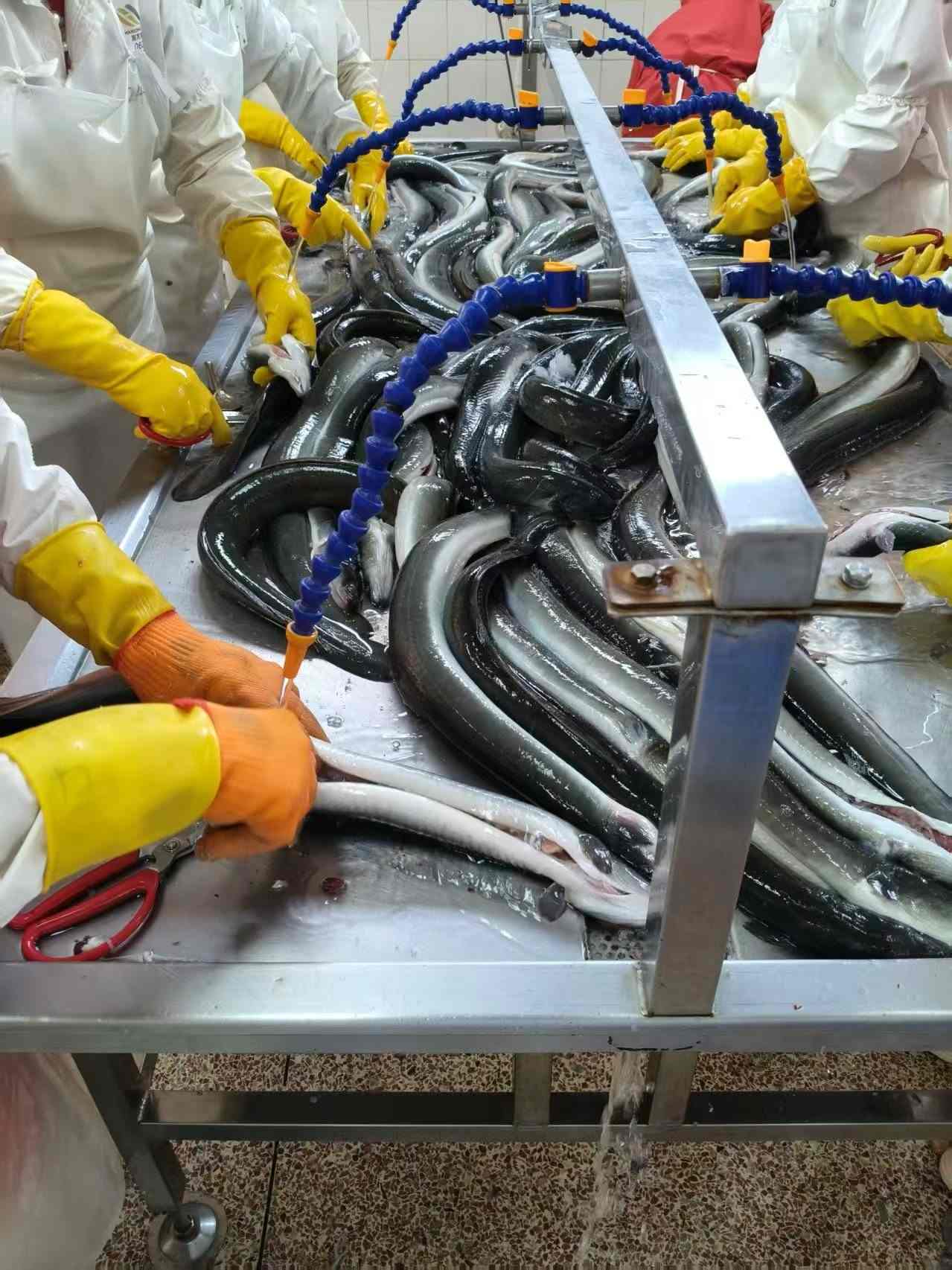
Our unagi eel farm supplies freshwater eels raised specifically for consistent size and fat content. Consistency matters when you’re running a multi-location restaurant. A chef needs to know that each fillet will deliver the same yield and the same flavor release into the broth, batch after batch.
We also see growing demand from buyers who want to bundle. A single container might include frozen unagi kabayaki for grilled dishes and our eel sauce for both glazing and broth enrichment. One supplier, multiple menu categories. That simplifies logistics.
Common Pitfalls When Sourcing Eel for Soup
Not every eel product works in liquid. Here’s what to watch for.
Avoid overcooked fillets. Some cheap frozen eel is pre-cooked to the point of mush. When it hits hot broth, it disintegrates into a cloudy mess. You want fillets that hold their shape. Our eel lab tests texture retention specifically for soup applications—fillets that stay intact through a 10-minute simmer.
Beware of off-flavors. Muddy, earthy notes in freshwater eel are a sign of poor purging practices before processing. A high-quality eel should taste clean and sweet, even before seasoning. If the base ingredient is flawed, no amount of broth wizardry can fix it.
Match the glaze to the broth. Using a heavily sweetened kabayaki eel in an already-sweet spiced broth creates flavor clash. We often advise clients to use a reduced-sugar glaze for soup-bound fillets. You can always add sweetness; you can’t subtract it.
Building a Seafood Soup Product Line with Eel
For importers and distributors, seafood soup products represent a growth category. Consumers want restaurant-quality soup at home, and they’re willing to pay for recognizable, premium ingredients. Eel fits that bill perfectly—it’s aspirational, yet increasingly familiar thanks to the sushi boom.
Consider a retail-ready frozen kit: a vacuum-sealed pouch of rich eel bone broth, a separate pouch with two glazed unagi fillets, and a small sachet of dried nori and sesame seeds. The customer boils the broth, drops in the fish, and garnishes. Dinner in five minutes. It’s the kind of product that wins shelf space in Asian grocery chains and premium supermarkets.
We’ve seen similar concepts succeed with our Chinese dimsum range—frozen items that steam or boil in minutes. The operational model is proven. The missing piece has been a soup-specific eel format, which we now offer.

Recipe Inspiration: Unagi Ramen and Beyond
One of the most exciting applications we’ve seen is unagi soup used as a ramen base. Our recipe team developed a unagi ramen: Japanese eel noodle soup guide that combines a light pork bone broth with a whole grilled eel fillet on top. The fat from the eel creates an emulsion with the pork broth—rich, glossy, and utterly addictive.
Another approach: use eel in place of tempura in a traditional soba or udon soup. The sweet glaze from the fillet dissolves into the hot dashi, creating a built-in flavor boost. It’s faster than frying tempura and holds up better under a heat lamp for takeout orders. If you’re exploring texture contrasts, our eel tempura: crispy Japanese recipe guide shows how to achieve crunch without losing the eel’s tenderness.
For meal prep and catering, eel soup is a dream. The broth can be made in bulk and frozen. The fillets are portioned and thawed on demand. Our eel recipes for meal prep: make guide walks through the workflow.
Why Buyers Choose Eelpro for Eel Soup Ingredients
We supply the core building blocks. Our freshwater eels are raised on our own unagi eel farm, processed under strict quality controls, and frozen at peak freshness. For soup applications, we offer fillets in multiple size grades and glaze levels. Whether you need a subtle, lightly-seasoned fillet for a delicate dashi or a bold kabayaki cut for a spicy Korean stew, we match the product to the broth.
Our frozen eel supplier network ensures cold chain integrity from our facility to your warehouse. And our technical team—the same people who run our eel lab—can advise on optimal thawing, slicing, and broth integration methods. We’re not just selling eel; we’re helping you build a menu category.
Eels soup is more than a dish. It’s a versatile format that can anchor a casual lunch, elevate a tasting menu, or become a retail frozen staple. The broth carries the story; the eel delivers the substance. Get the pairing right, and you’ve got a product that customers will travel for.
What kind of eel soup are you planning for your menu? Share your concept with our team—we’ll help you find the right fillet format and broth strategy to bring it to life.