





Freshwater eel farming produces nearly all the unagi eaten in Japan, China, South Korea, and increasingly the West. Despite the eel's popularity, almost no one has ever seen a wild adult eel on a dinner plate. The reason is simple: freshwater eels have never been bred from egg to harvest in commercial quantities. Every farmed eel starts its life as a wild-caught baby.
This makes freshwater eel farming different from raising salmon or shrimp. Farmers do not control the full lifecycle. Instead, they catch wild glass eels—transparent juveniles about the length of a matchstick—and raise them to market size in controlled pond and tank environments. The process takes skill, patience, and constant attention to water quality and feeding.
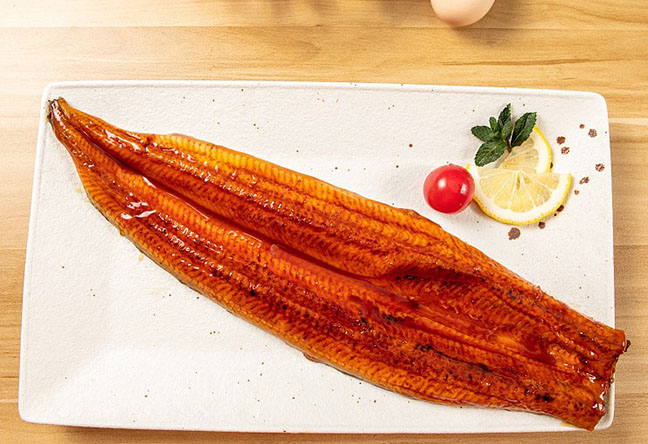
At Eelpro, we work with eel farms in China that have decades of experience in freshwater aquaculture. Our unagi kabayaki comes from eels raised under careful management, processed within hours of harvest to preserve quality. This article explains how the farming side of the industry actually works.
Wild eel populations have declined sharply over the past several decades. Overfishing, habitat loss, and changes in ocean currents that affect the eel's long migration all play a role. The Japanese eel (Anguilla japonica) is listed as endangered on the IUCN Red List, and the European eel (Anguilla anguilla) is critically endangered.
Farming eases pressure on wild adult stocks by using glass eels—juveniles that have a naturally high mortality rate in the wild. Only a small fraction of glass eels survive to adulthood in rivers and lakes. Farms raise them in protected environments where survival rates are far higher. In this sense, aquaculture acts as a bridge between the wild seed supply and market demand.
Without freshwater eel farming, unagi would likely be unavailable as an everyday food. The volume simply would not exist from wild catch alone. Farms in China, Japan, South Korea, and Taiwan together produce over 200,000 metric tons of eel annually, supplying restaurants, supermarkets, and export markets around the world.
The freshwater eel has one of the most unusual life cycles in the animal kingdom. It begins and ends in the ocean, with a freshwater growth phase in between.
Spawning at sea: Adult eels migrate thousands of kilometers to spawning grounds in the western Pacific Ocean, near the Mariana Trench. After spawning, the adults die. The eggs hatch into leaf-shaped larvae called leptocephali, which drift on ocean currents for months.
Glass eel stage: When the larvae reach coastal waters, they transform into transparent glass eels, about 5 to 8 centimeters long. This is when they are caught for farming. Glass eels are gathered at river mouths using fine-mesh nets during their upstream migration, which peaks on moonless nights in winter and early spring.
Elver to yellow eel: Once in freshwater, glass eels develop pigmentation and become elvers, then yellow eels. In farms, this stage is managed in indoor tanks with heated water (26-28°C), high oxygenation, and frequent feeding of formulated diets. Growth from glass eel to harvest size takes 6 to 18 months depending on water temperature and feeding practices.
Harvest: Eels are harvested at 150 to 250 grams—the ideal size for kabayaki processing. At this weight, the meat-to-bone ratio is optimal, and the texture is tender but firm enough to hold its shape during grilling.
Modern eel farms use a mix of indoor and outdoor systems, often in sequence as the eels grow.
Indoor nursery phase: Glass eels arrive at the farm and are placed in shallow indoor tanks with carefully controlled temperature, dissolved oxygen, and water flow. Farmers feed them a paste made from fish meal, vitamins, and binders several times a day. Mortality in this phase can be high—10 to 30%—and success depends heavily on the skill of the farm staff.
Grow-out phase: Once eels reach the elver stage and are feeding consistently, they move to larger indoor tanks or outdoor earthen ponds. Water is exchanged continuously from nearby rivers or groundwater sources. Aeration systems run around the clock. Feeding shifts to extruded pellets, and farmers monitor growth rates weekly.
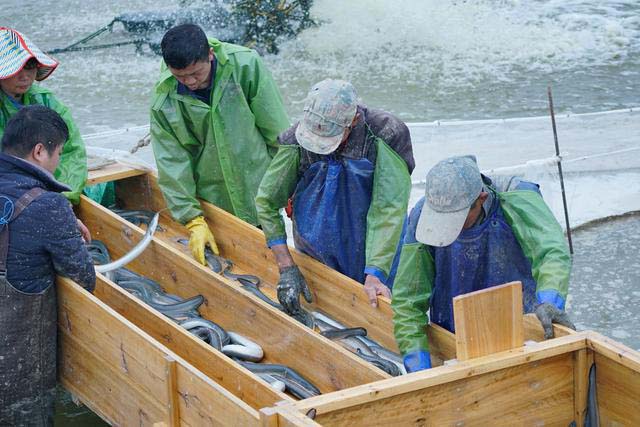
Sorting: Eels are sorted by size every few weeks to prevent larger individuals from out-competing smaller ones for food. This is labor-intensive work done by hand, passing eels through graded screens.
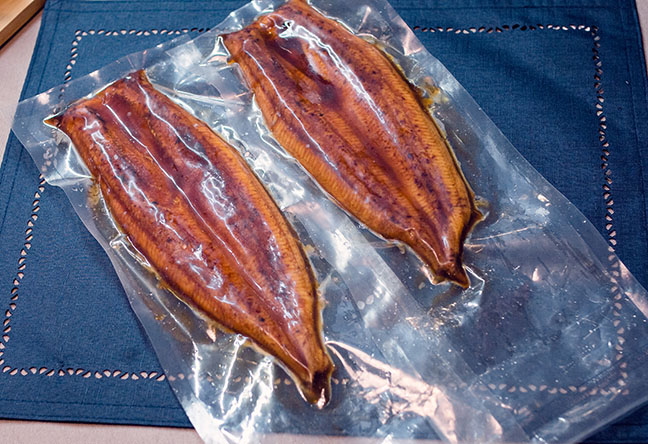
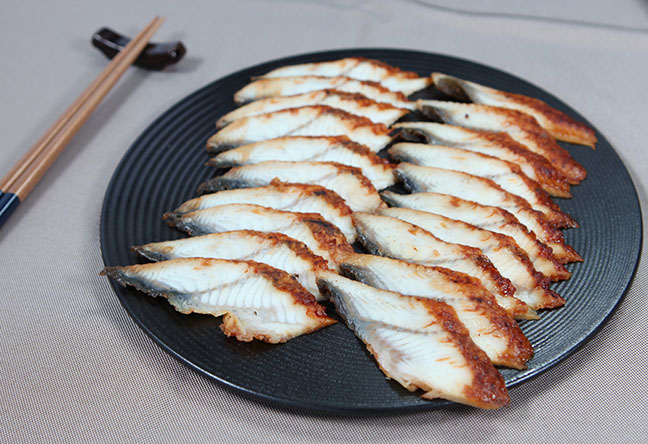
Harvest and processing: When eels reach target weight, they are harvested, transported live to processing facilities, and processed within hours. The processing line includes stunning, filleting (butterfly cut), skewering, steaming, grilling, saucing with eel sauce, and flash-freezing. The entire sequence from live eel to frozen fillet takes under two hours at a well-run plant.
China is by far the largest producer of farmed eel, accounting for roughly 70% of global output. The main farming provinces are Fujian, Guangdong, and Jiangxi, where the subtropical climate and abundant freshwater resources create ideal conditions. Chinese farms primarily raise the Japanese eel (A. japonica) and increasingly the American eel (A. rostrata), though glass eel supply for both species is tightly regulated under CITES and national export controls.
Japan is the second-largest producer and the largest consumer. Japanese farms are concentrated in Aichi, Kagoshima, and Miyazaki prefectures. Domestic production covers only about one-third of Japan's consumption; the rest is imported, mostly from China and Taiwan.
Taiwan and South Korea also have established eel farming sectors, each with their own supply chains and mainly serving domestic and regional markets. The European eel (A. anguilla), once heavily farmed, is now subject to an EU export ban due to its critical status, and its role in global trade has shrunk dramatically.
Eel farming faces a fundamental challenge: dependence on wild glass eels. As long as commercial hatchery production remains elusive—and researchers in Japan have made progress but not yet at commercial scale—the industry must manage the wild seed supply responsibly.
Steps that responsible farms take include:
Buyers who want to support better practices should ask suppliers about the origin of their glass eels, farming conditions, and any third-party certifications the farm holds.
If you are a restaurant, distributor, or importer sourcing farmed eel, here are the factors that matter most:
For more ways to use eel in your kitchen or menu, check our eel recipes for cooking inspiration.
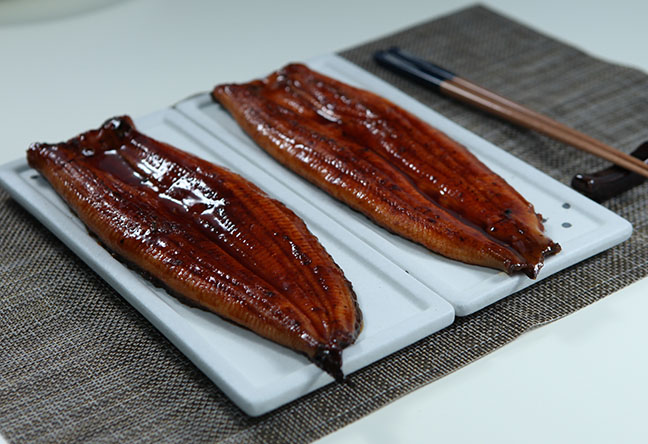
Freshwater eel farming sits at the intersection of tradition, science, and international trade. The industry has come a long way from the small family ponds of the Edo period, but the core product—a perfectly grilled fillet of unagi, glazed and glistening—remains the same. At Eelpro, we are proud to be part of the supply chain that brings this food from farm to table worldwide.

 WhatsApp
 sales@chinaeels.com
 +8619937922411