





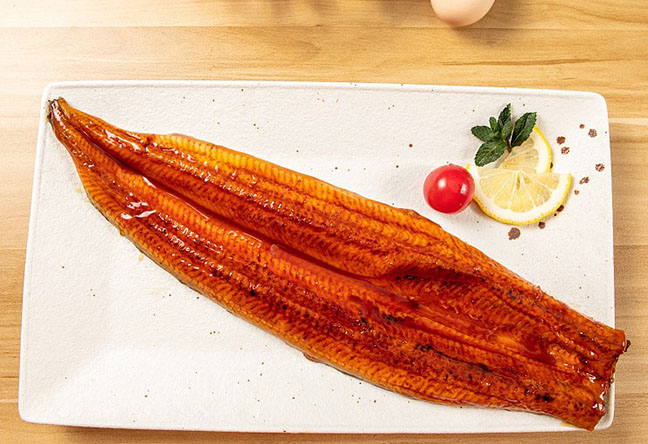
How to cook frozen unagi at home is a question we hear often from customers who buy our kabayaki eel. The good news: frozen unagi is one of the easiest Japanese foods to prepare. The eel is already grilled, sauced, and fully cooked before freezing. Your only job is reheating it the right way so the texture stays soft and the sauce caramelizes slightly.
At Eelpro, we export frozen unagi kabayaki to restaurants and distributors around the world. Over the years, we have collected the methods that professional kitchens use and the simpler techniques that work at home. This guide covers everything from thawing to plating.
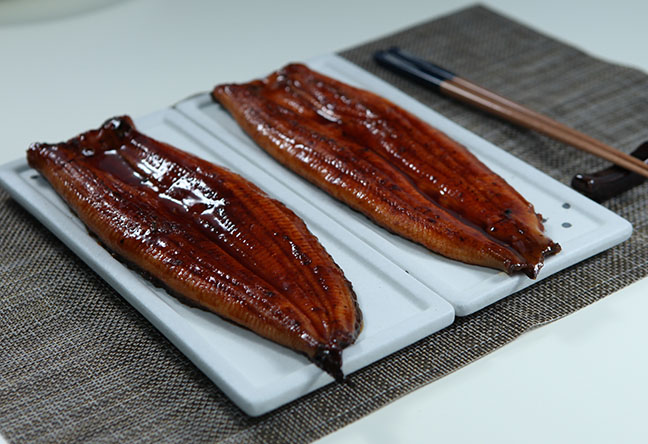
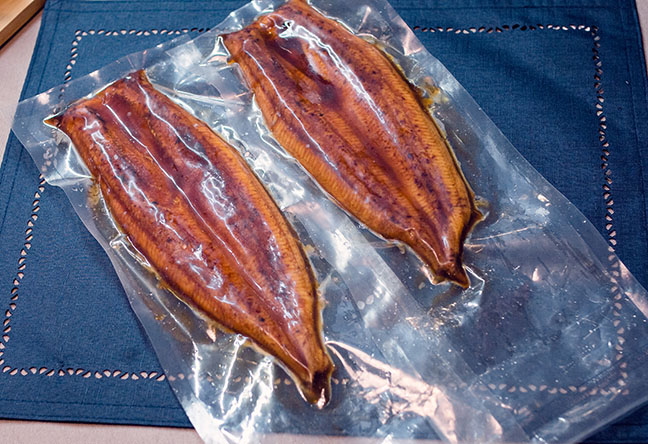
Unagi kabayaki is freshwater eel that has been butterflied, skewered, grilled, steamed, and glazed with a sweet soy-based sauce. After cooking, the eel is flash-frozen to lock in flavor and moisture. The fillets you find in the freezer aisle are fully cooked—ready to reheat and eat.
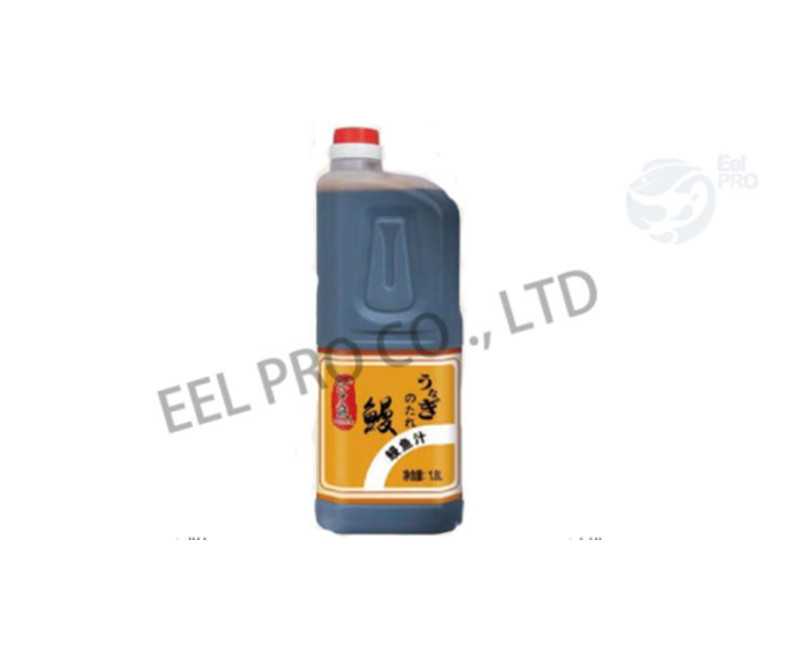
The sauce used on kabayaki is called unagi tare, a blend of soy sauce, mirin, sugar, and sake. This is what gives the eel its glossy appearance and rich, savory-sweet taste. Each batch of tare is often a closely guarded recipe, sometimes kept and replenished for years in traditional eel restaurants.
Because the eel is already cooked, you are really just warming it through and getting the surface slightly caramelized. Overcooking dries out the meat and burns the sauce, so keep an eye on timing.
Thawing frozen unagi properly makes a noticeable difference in texture. Here are the methods we recommend:
Refrigerator thawing (best method): Transfer the frozen fillet from the freezer to the refrigerator and let it thaw overnight, about 8 to 12 hours. This gradual thaw preserves the eel's texture best.
Cold water thawing (faster): Keep the unagi in its sealed packaging and submerge it in cold water. Change the water every 30 minutes. A single fillet usually thaws in about 1 to 2 hours this way.
Direct cooking (quickest): You can cook frozen unagi without thawing. It takes a few extra minutes and you may not get the same surface caramelization, but the result is still good. Just add 3 to 5 minutes to the cooking time for whichever method you choose.
Avoid using hot water or a microwave to thaw—these methods start cooking the eel unevenly and can make the texture rubbery.
The oven is our go-to recommendation for home cooks. It heats evenly and needs almost no attention.
Steps:
The oven method produces a tender, evenly heated fillet with a lightly caramelized surface. It works well when you are preparing several portions at once.
If you want a slightly crisp edge and dinner on the table in under 10 minutes, the pan is your friend.
Steps:
This method gives you a slightly firmer texture on the outside while keeping the inside soft. It is our preferred technique when we want a quick meal with a bit of contrast in texture.
Grilling brings out the best in unagi, echoing the traditional Japanese preparation over binchotan charcoal. If you have an outdoor grill or a grill pan, give this method a try.
Steps:
The grill adds a subtle smokiness that you cannot get from an oven or pan. This method shines at barbecues and outdoor gatherings. Just keep a close watch—the sugar content in the sauce means unagi can go from nicely charred to burnt in under a minute.
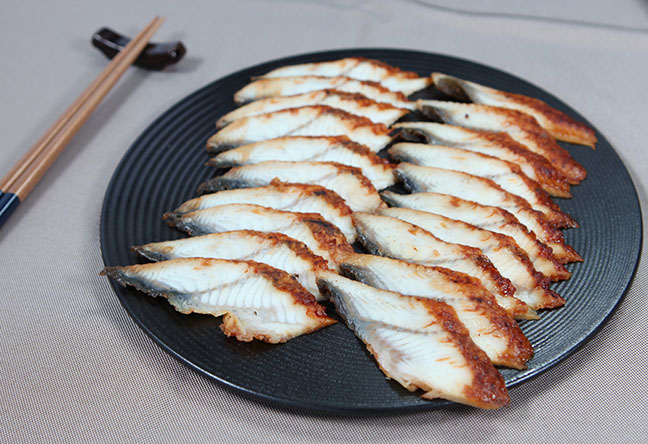
Once your unagi is ready, here are a few classic ways to serve it:
For drinks, a cold Japanese beer or a cup of warm green tea pairs well with the richness of the eel. The slight bitterness of the tea cuts through the sweetness of the sauce.
Unagi is also a traditional energy food in Japan, eaten on the midsummer day of the ox (Doyo no Ushi no Hi). On this day, millions of Japanese people eat unagi to build stamina for the hot summer months ahead. If you are looking to start your own tradition, this is a good one to adopt. Understanding how to cook frozen unagi at home lets you join this custom without traveling to Japan.
Japanese eel dishes appear in many forms across the country's food culture, from street-side unagi skewers to formal kaiseki courses. Eel cuisine in Japan is a category of its own, with regional variations in how the fish is prepared, sauced, and served. Grilling over charcoal remains the gold standard, but the methods in this guide get you close to that result with minimal equipment.
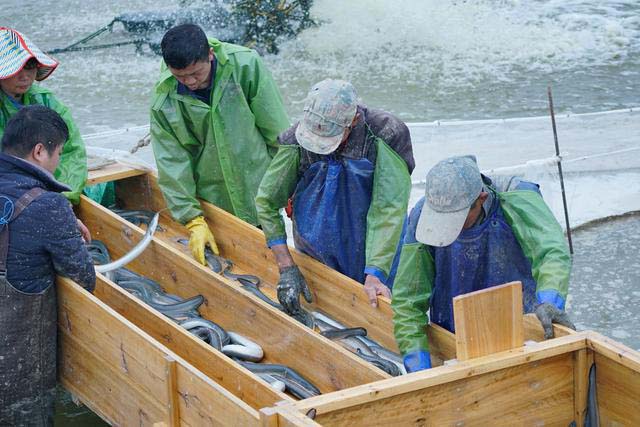
At Eelpro, we ship frozen unagi kabayaki to buyers in over 20 countries. Our eel comes from responsibly managed freshwater farms and is processed within hours of harvest to lock in peak freshness. If you are a restaurant, distributor, or importer looking for a reliable unagi supply, we would be glad to talk.

 WhatsApp
 sales@chinaeels.com
 +8619937922411