





Understanding the types of eel for sushi helps you order with confidence at any Japanese restaurant. Many diners assume all eel sushi is the same, but the two main types—unagi and anago—come from different environments, taste noticeably different, and are prepared using distinct techniques.
If you have ever sat at a sushi counter and wondered whether to order unagi or anago, this guide will clear things up. We cover what each type is, how they are prepared, and how to tell them apart at a glance.
At Eelpro, we specialize in unagi kabayaki—the freshwater eel used in the vast majority of eel sushi worldwide. Here is everything you need to know about the eels on the sushi menu.
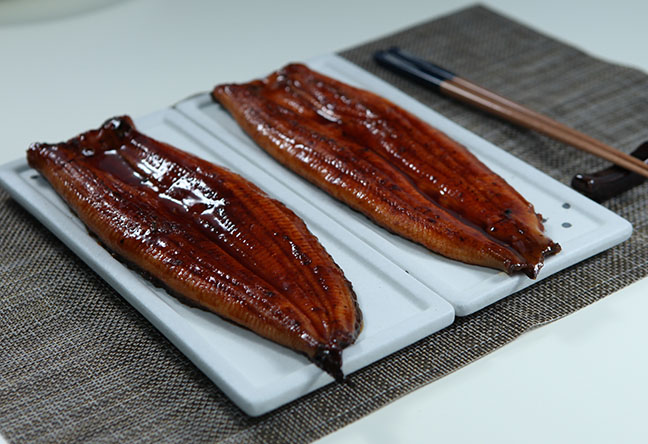
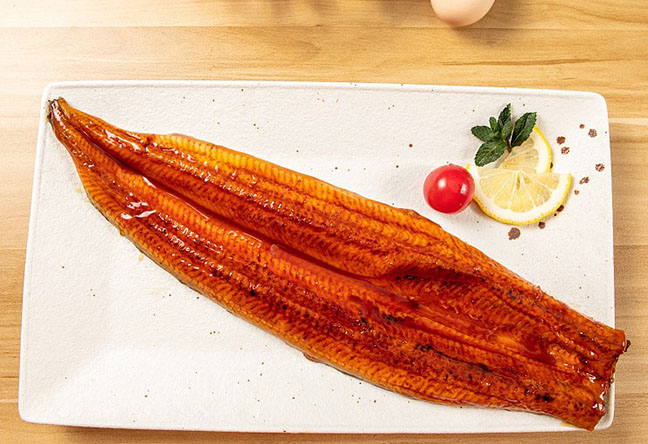
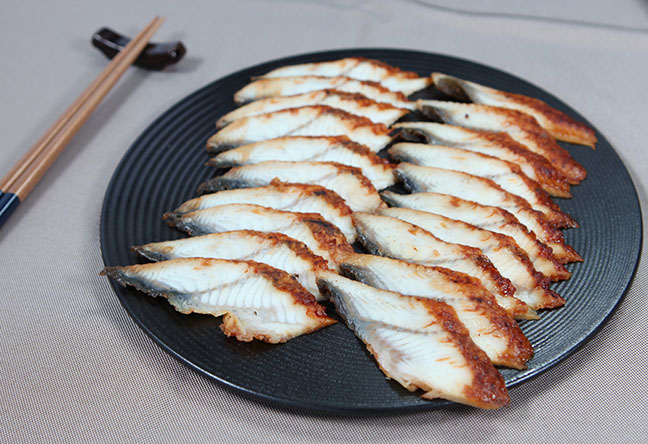
Unagi (Anguilla japonica) is the freshwater eel and the one you will see most often at sushi restaurants. It is almost always served cooked, never raw. The flesh is rich, fatty, and slightly sweet, with a texture that is firm but tender enough to yield easily when you bite into it.
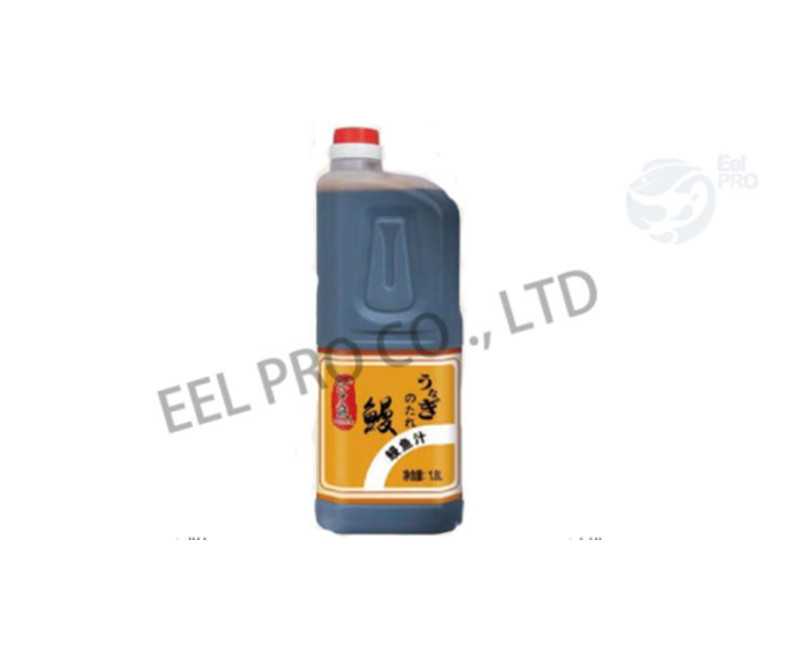
Unagi for sushi goes through a multi-step preparation process: butterflying, skewering, steaming, grilling, and repeated glazing with eel sauce (unagi tare), a reduction of soy sauce, mirin, sugar, and sake. The sauce caramelizes on the surface of the eel, giving it a glossy, dark brown appearance and a deeply savory-sweet flavor.
On a sushi menu, unagi appears as:
Unagi has a higher fat content than anago—typically 15 to 20% fat by weight—which is why it tastes richer and feels more filling. This fat is mostly unsaturated and rich in omega-3 fatty acids, particularly DHA and EPA.
Anago (Conger myriaster) is the saltwater eel, also called conger eel. It lives in coastal ocean waters rather than rivers and lakes. Compared to unagi, anago is leaner, lighter in flavor, and has a softer, more delicate texture that almost melts in your mouth.
Anago is also always served cooked, but the preparation is simpler. After filleting, anago is simmered in a light broth of dashi, soy sauce, and mirin until tender. It is not grilled with a heavy glaze like unagi. The simmering liquid is sometimes reduced into a light sauce called nitsume, which is brushed onto the eel before serving.
On a sushi menu, anago appears most often as nigiri. It is typically served with a light brush of nitsume and sometimes a sprinkle of sansho pepper or grated yuzu zest. Because anago is less fatty, it is often recommended as a lighter option near the end of a sushi meal.
Anago is less common than unagi outside Japan, partly because the supply is smaller and the shelf life is shorter. Fresh anago is considered a seasonal treat, best in summer when the fish is at its fattest.
| Characteristic | Unagi | Anago |
|---|---|---|
| Habitat | Freshwater (rivers, lakes) | Saltwater (coastal ocean) |
| Flavor | Rich, sweet, bold | Mild, light, subtle |
| Texture | Firm, meaty | Soft, flaky, delicate |
| Fat content | High (15–20%) | Low (5–8%) |
| Preparation | Grilled with sweet soy glaze | Simmered, lightly sauced |
| Appearance | Dark brown, glossy | Pale beige, matte |
| Serving style | Nigiri, maki, donburi | Mostly nigiri |
A simple way to remember: if the eel is dark, glossy, and sweet, it is unagi. If it is pale, delicate, and lightly seasoned, it is anago.
Unagi and anago cover most of what you will see on menus, but a few other eel and eel-like fish appear in Japanese cooking:
For sushi purposes, unagi and anago are the two that matter. Everything else is a regional specialty you are unlikely to encounter unless you travel to specific parts of Japan.
Eel is never served raw in Japanese cuisine, unlike nearly every other sushi topping. This is not because eel is unsafe raw—saltwater conger can technically be eaten raw and occasionally appears as sashimi in some regions. The real reason is that cooking transforms eel from a somewhat ordinary fish into something exceptional.
The grilling process renders the fat, caramelizes the kabayaki sauce on the surface, and firms up the texture. A raw eel fillet is soft and slippery; a grilled one is tender with a slight chew. The sauce also adds a layer of flavor that raw fish simply cannot match.
At a traditional sushi restaurant, the chef keeps a pot of tare (eel sauce) that may have been maintained and replenished for years. The same sauce is brushed onto each piece of unagi before serving, building depth over time. This is one of the details that separates a good sushi experience from an ordinary one.
If you are new to eel sushi, here are a few practical tips for ordering:
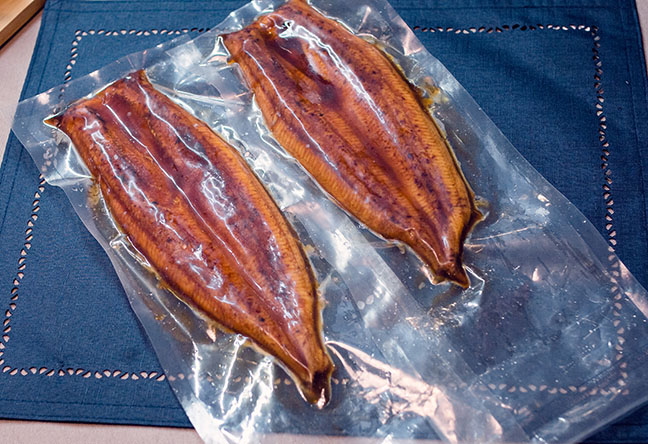
For home cooks who want to make eel sushi, frozen unagi kabayaki is the easiest starting point. Reheat the fillet, slice it into nigiri-sized pieces, press onto seasoned rice, and wrap with nori. For more ideas, browse our eel recipes collection.
Knowing the types of eel for sushi is a small piece of knowledge that makes the whole sushi experience more enjoyable. Next time you sit at the counter, you will know exactly what you are ordering—and why it tastes the way it does.


 WhatsApp
 sales@chinaeels.com
 +8619937922411