





Is eel good for you? Eel can be a nutritious seafood choice when eaten in sensible portions. It supplies high-quality protein, omega-3 fatty acids, vitamin D, vitamin B12, and several important minerals. Because eel is naturally rich and oily, however, it contains more calories and fat than lean fish such as cod or pollock.
The answer also depends on the product, portion size, and preparation method. Plain cooked eel and grilled unagi kabayaki have a different nutrition profile from eel that is deep-fried or covered in a generous amount of sweet sauce. For consumers and food buyers alike, origin, processing controls, cold-chain handling, and clear product specifications matter just as much as the nutrition panel.
Eel nutrition can vary by species, size, farming method, and cooking process. As a general reference, USDA FoodData Central lists cooked eel at roughly 236 calories per 100 grams, with about 24 grams of protein and 15 grams of fat. Those figures may shift when the fish is grilled, smoked, marinated, or served with sauce.
| Nutrient | What it contributes | Practical note |
|---|---|---|
| Protein | Supports muscles, skin, enzymes, and immune function | Eel offers a substantial protein serving |
| Omega-3 fatty acids | Support normal heart, brain, and eye function | Amounts vary by species and feed |
| Vitamin B12 | Helps form red blood cells and maintain nerve function | Commonly found in animal-source foods |
| Vitamin D | Helps the body absorb calcium and supports bones and immune function | Eel is one of the fish that can provide meaningful vitamin D |
| Minerals | Includes phosphorus, selenium, potassium, and zinc | Values depend on the product and serving size |
Its fat content is not necessarily a disadvantage. Eel’s natural oils create its tender texture and help carry fat-soluble vitamins. Still, a 100-gram serving can contain more calories than many white fish. If you are watching calorie intake, a smaller serving with steamed rice and vegetables may suit you better than a large restaurant portion.
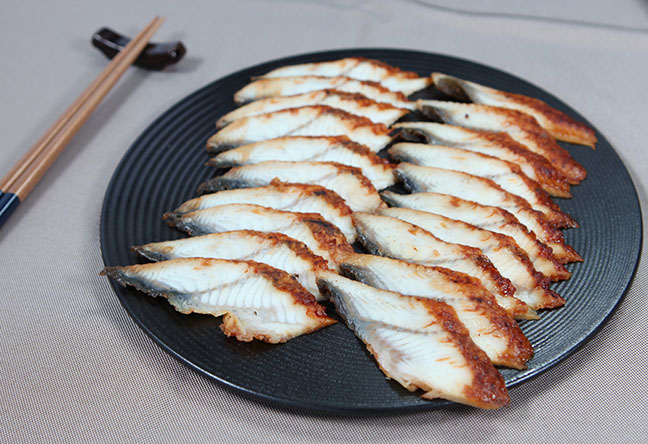
Eel contains complete animal protein, which means it provides all nine essential amino acids. Protein helps maintain muscle tissue and supports normal repair after everyday activity. Grilled eel fits naturally into a rice bowl, sushi preparation, noodle soup, or mixed seafood meal.
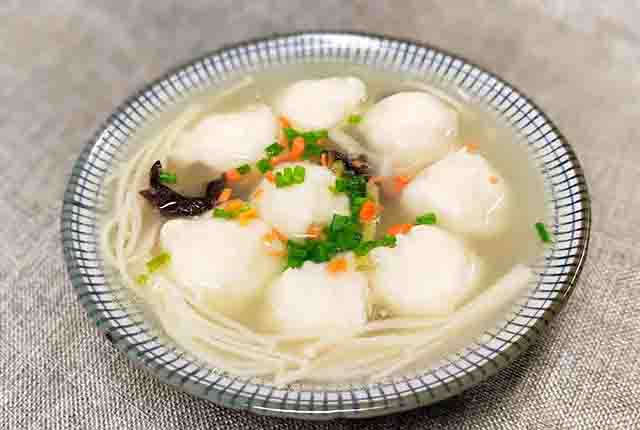
For foodservice buyers, its protein content is one reason eel works well beyond traditional Japanese dishes. Kitchens can use frozen eel in bento boxes, donburi, salads, sandwiches, and warm noodle recipes. Our eel recipes show one practical option: cooked eel combined with broth, noodles, vegetables, and herbs.
Eel contains long-chain omega-3 fats, including EPA and DHA. These fatty acids are associated with normal heart function and have structural roles in the brain and eyes. The level is not fixed, though. Species, water conditions, feed, fat content, and cooking methods can all influence the final amount.
So, is eel high in protein and omega-3? It is high in protein and provides omega-3, but the precise omega-3 content should be confirmed through laboratory analysis or a reliable product specification. Importers should request nutrition data for the actual product rather than relying only on a generic listing for “eel.”
Eel nutritional value includes two nutrients often highlighted in seafood: vitamin D and vitamin B12. Vitamin D helps the body absorb calcium and supports bone health. Vitamin B12 contributes to red blood cell formation and normal neurological function.
Few foods naturally provide much vitamin D, although sunlight and fortified foods can also contribute. Vitamin B12 may be particularly relevant for people who eat little meat or seafood. Eel is not a substitute for medically recommended supplements, but it can be part of a varied diet.
Selenium supports thyroid function and helps protect cells from oxidative damage. Eel also provides phosphorus, potassium, and smaller amounts of zinc and iron. These minerals do not make eel a complete diet on its own, of course. They are valuable additions to a meal that also includes vegetables, whole grains, beans, or other seafood.
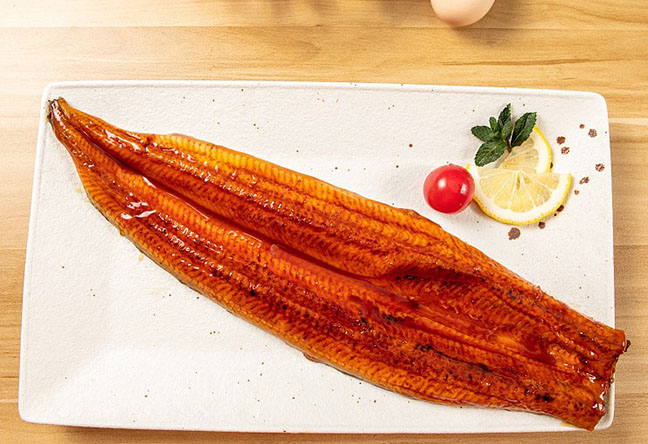
Is eel healthy when prepared as kabayaki? It can be. Kabayaki is typically grilled eel brushed with a sweet soy-based sauce. Grilling delivers plenty of flavor without deep-frying, although the sauce can add sugar and sodium. The finished dish depends largely on how much sauce is used and whether it is paired with other salty foods.
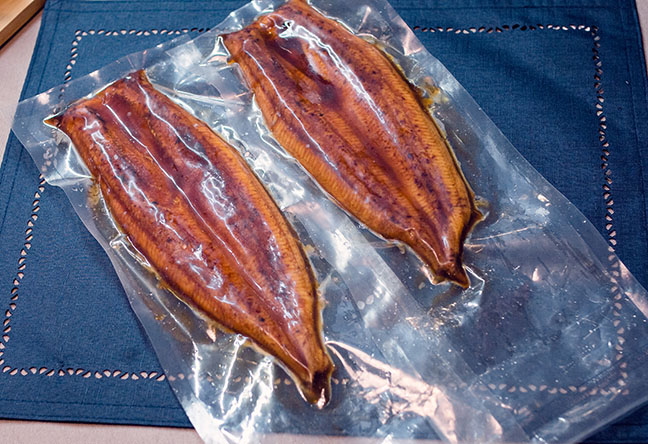
Our frozen unagi kabayaki is designed for convenient foodservice preparation. Buyers can portion the fillets, heat only what they need, and build the final serving around rice, vegetables, or a lighter application of sauce. That approach reduces waste and gives restaurants more control over menu nutrition.
For home or restaurant meals, these simple choices can help:
Our eel sauce product can be used for kabayaki, rice bowls, grilling, and other menu formats. Product labels and specifications should list ingredients, allergens, storage conditions, and nutrition information for the relevant market.
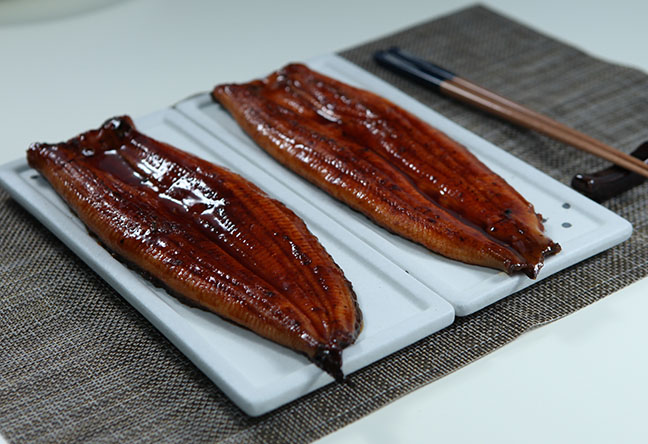
Cooking changes the eating experience and can also affect nutrition figures. Plain grilled eel may lose water during heating, concentrating nutrients by weight. A glazed portion can gain calories from sugar and may contain more sodium from soy sauce. Deep-frying adds oil and generally raises the total calorie content.
There is no single “best” preparation for every customer. A restaurant may choose kabayaki for flavor and quick service, while a retail buyer may prefer plain frozen eel for greater menu flexibility. In our experience, clear cooking instructions and consistent fillet weights make it easier for kitchens to manage both food cost and nutrition.
Freshwater eel is naturally fatty compared with many lean fish, and that richness is part of its appeal, especially when grilled. If a customer asks, “How nutritious is freshwater eel?” the practical answer is that it provides protein, omega-3 fats, vitamin D, vitamin B12, and minerals, but it is best viewed as a nutrient-dense, higher-calorie seafood rather than a low-fat fish.
Fish can contain methylmercury, with levels varying by species, age, size, origin, and environmental conditions. The U.S. Food and Drug Administration and other national authorities publish fish consumption guidance. Eel products should be assessed according to their species and source rather than assuming every eel carries the same mercury level.
Pregnant people, children, and those who eat seafood frequently should follow advice from the relevant food-safety authority. Importers should keep supplier records, traceability documents, testing plans, and certificates required by the destination market. When requested, we work with buyers on product documentation and export specifications.
Eel is fish and must be handled as a fish allergen in foodservice and retail operations. Kabayaki sauce may also contain soy, wheat, sugar, or other ingredients depending on the formula. Always check the label and confirm the allergen declaration before selling a product in a new market.
Frozen eel should remain frozen throughout storage and transport. Keep the cold chain intact, thaw under refrigeration, and follow the product’s cooking instructions. Do not refreeze thawed eel unless the product specification and local food-safety rules allow it. For export buyers, packaging integrity, lot identification, production dates, and temperature records are practical checks that help protect product quality.
Nutrition is only one part of product value. Buyers should review:
Eelpro Co., LTD supplies frozen unagi kabayaki, eel sauce, frozen seafood, and freshwater eels for overseas buyers. We focus on consistent specifications, export documentation, and practical product formats for distributors, restaurants, and food manufacturers. Buyers comparing suppliers should request a current product sheet and sample before placing a larger order.
The main potential benefits are its complete protein, omega-3 fatty acids, vitamin B12, vitamin D, selenium, phosphorus, and potassium. Eel can support a varied diet, but the final nutrition depends on portion size and preparation. Sauces and frying can add sugar, sodium, and calories.
Eel is high in protein, with cooked eel providing roughly 24 grams per 100 grams according to USDA FoodData Central reference data. It also contains EPA and DHA omega-3 fats, although the amount varies by species, feed, fat content, and processing. Ask suppliers for product-specific laboratory or specification data.
Freshwater eel is a nutrient-dense fish that provides protein, fat, omega-3s, vitamin D, vitamin B12, selenium, and other minerals. It is more calorie-dense than lean white fish, so an appropriate portion and balanced side dishes are sensible.
Daily consumption is not necessary to obtain eel’s nutrients. Rotate seafood choices and follow local guidance on fish intake, especially for children and pregnant people. Check the product’s source, mercury information where required, and serving size.
So, is eel good for you? For most people, eel can be a valuable part of a balanced diet when served in sensible portions and prepared with attention to sauce, sodium, and calories. Its protein, omega-3 fats, vitamins, and minerals make it more than a specialty ingredient.
For dependable supply, contact Eelpro Co., LTD about frozen unagi kabayaki, eel sauce, freshwater eels, and other frozen seafood products. We can provide product details for your market and menu.



 WhatsApp
 sales@chinaeels.com
 +8619937922411