





When importing frozen unagi, the condition of the fillets can make or break a business deal. A single shipment with cracks, excessive ice, or off-colour patches can trigger rejections from restaurants and retailers. You don’t need a lab to catch the most common problems. A methodical visual check, done consistently, isolates the defects that matter most for yield, presentation, and food safety.
Frozen unagi quality isn’t just about how it tastes after grilling. The state of the fillet tells you how well the eel was processed, frozen, and handled through the cold chain. We’ve seen entire pallets refused because a handful of fillets showed deep tissue cracks. In our own shipments, we track three things before signing off: physical integrity, glaze coverage, and temperature history clues. If you’re buying container loads, these checks are non‑negotiable.
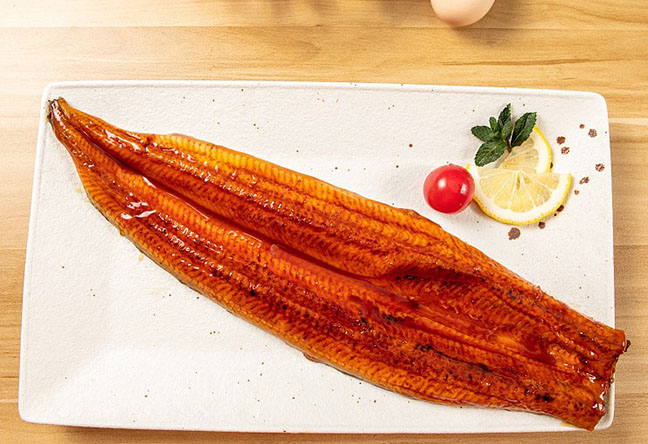
For a fillet to be considered top grade, the surface should be smooth with no peeling or exposed flesh from mishandling. The natural dark brown sheen of kabayaki-style unagi should be even. Our unagi kabayaki is processed within hours of harvest and glaze‑sealed while still warm to lock the texture. That consistent finish is something you can verify on the spot. If the glaze is blotchy or cracked, something went wrong before freezing.
Frozen unagi defects fall into a few predictable categories. Surface damage, structural breaks, freezer burn, and glaze failures. Each eats into your usable weight and affects portioning. Here are the ones that trip up even experienced buyers.
A whole unagi fillet should look intact. Tears near the belly edge or a clean split across the mid‑section often happen during machine peeling or rough packing. In a 5‑kg carton, you might expect zero full‑thickness breaks for premium grade. Some buyers accept up to 2% by count for standard grade, but anything above that raises labour costs in the kitchen. We inspect random samples from different cartons. You’ll spot breaks quickly if you gently lift the fillet from the tray—no need to defrost.
Greyish‑white, leathery patches on the surface signal freezer burn. This happens when the fillet loses moisture through sublimation, usually because the packaging wasn’t airtight or the cold‑storage temperature fluctuated. Freezer‑burnt spots turn tough and spongy after cooking. A single burned fillet might not ruin a whole box, but a cluster of them points to a cold chain failure. We reject any carton where over 5% of fillets show visible dehydration.
Dark red or purple bruises along the backbone or near the head indicate poor bleeding during processing or rough handling before freezing. In sushi‑grade eel sauce applications, these spots need to be trimmed away, causing waste. Consistent blood spots across a batch often mean the processor’s chilling step was too slow. We flag this immediately because it hints at deeper quality control gaps.
Unagi fillet inspection doesn’t need to be complicated. You can build a one‑page checklist and use it on every arrival. Here’s the sequence we follow at Eelpro before releasing any frozen unagi to a customer.
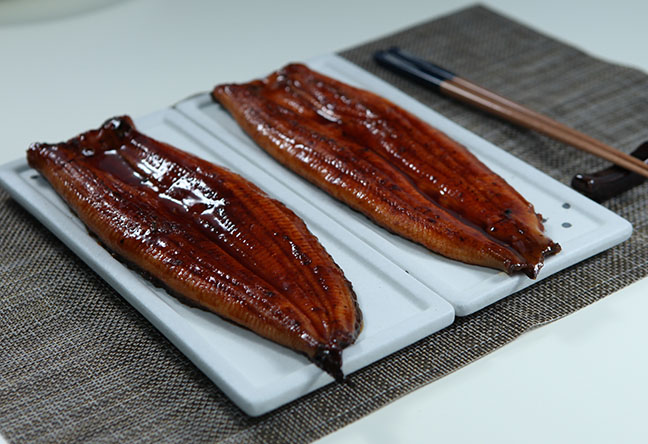
First, check the outer carton. Look for water stains, crushed corners, or tape that’s lost its seal—all signs of partial thaw‑refreeze. Then pull a cross‑sample: at least one tray from the top, middle, and bottom of a pallet. Open each tray under decent lighting. Count visible defects: broken fillets, glaze pools, ice crystals inside the sealed bag. A small pocket‑sized scale helps. We tare the empty tray, weigh the frozen fillets as packaged, then rinse off the glaze under cold running water and re‑weigh. The difference is your glaze percentage.
For kabayaki sauce‑glazed unagi, a moderate glaze is normal and actually protects the flesh. But net‑weight glazing beyond 10% – sometimes pushed to 20% – is a hidden cost. If a carton says 5 kg, you shouldn’t be paying for 750 g of ice. Several countries have guidelines: the EU requires glaze weight to be declared and subtracted from the net weight; Japan’s frozen eel standards generally expect no more than 8‑12% glaze for IQF fillets. Use those benchmarks.
Eel product standards vary by market, but you can create a clear spec sheet that your supplier signs. List acceptable limits for broken fillets (e.g., max 3% by piece count), glaze percentage, minimum fillet length, and colour tolerance. Send a copy with each purchase order. We’ve found that when expectations are spelled out in centimetres and grams, rejections drop sharply.
Another detail: odour. Frozen unagi should smell mildly sweet, like grilled fish, not sour or ammoniacal. A sharp smell points to decomposition before freezing. Even if the fillet looks perfect, trust your nose. In one case, we detected a faint ammonia note in an otherwise flawless tray; the batch turned out to have been held too long in chilled water tanks before processing. We refused the lot.
When you’re evaluating a new supplier, ask for their in‑house QC records for the last three production runs. Look for variance in fillet weight and glaze content. A tight range – say, 90‑110 g per fillet with 7‑9% glaze – says more about their process control than any certificate. That’s the kind of data we share with our buyers, because batch consistency is what keeps a menu or retail shelf stable.
A single perfect tray doesn’t mean the whole container is sound. Open at least five cartons from different production dates, if stamped. Look at the fillet thickness. In one shipment we inspected for a restaurant chain, 12% of fillets were noticeably thinner – under 80 g instead of the specified 100 g. Those thin pieces shrank unevenly on the grill, causing complaints. The root cause? Inconsistent sizing at the processing line. That’s a defect no one sees until it


 WhatsApp
 sales@chinaeels.com
 +8619937922411