





Frozen unagi can arrive in excellent condition, but it can also show issues that affect yield, appearance, food safety, and customer acceptance. For importers, distributors, and foodservice buyers, a consistent inspection process makes it easier to compare suppliers and approve each lot with confidence.
This guide covers the key frozen unagi quality checkpoints: fillet condition, glazing, packaging, freezer burn, temperature control, and batch-to-batch consistency. It also outlines which defects may justify a supplier complaint or a full lot review.
Before inspecting a shipment, confirm exactly what the supplier has agreed to provide. A practical specification should state the eel species or commercial description, product format, size range, cooking condition, sauce option, pack weight, glaze policy, storage temperature, and acceptable defect limits.
For example, a buyer may order frozen unagi kabayaki in individually packed portions at a specified net weight. Another may need unseasoned freshwater eel fillets for restaurant preparation. Those products should not be assessed against the same visual standards.
Document the points that can be measured:
Clear specifications make inspections more objective. They also help distinguish a true frozen unagi defect from a product characteristic already accepted in the purchase order.
Start with the shipping carton before opening it. Look for crushed corners, water stains, torn panels, broken straps, and evidence of thawing and refreezing. Record the lot number, production date, expiry or best-before date, carton count, and temperature reading where available.
The carton label should match the purchase order. Verify the product name, net weight, storage instructions, country of origin, supplier details, and any regulatory information required in your market. Since labeling rules vary by country, your import documentation team should check the label against local requirements.
Inside the carton, inspect each pouch or tray for:
A damaged seal can expose the fillet to air and may create a sanitation concern during storage or handling. Quarantine visibly leaking or open packages rather than returning them to saleable stock.
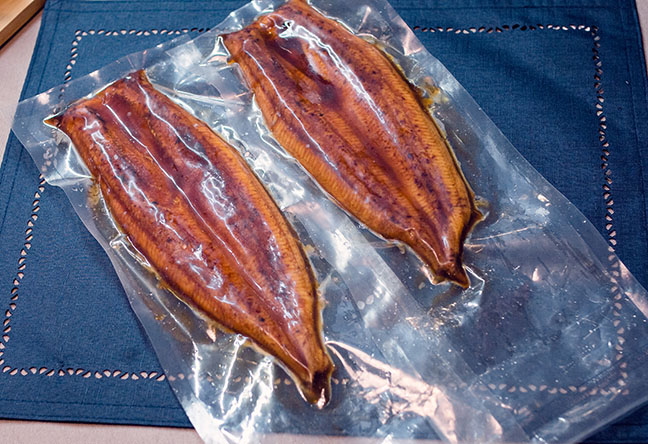
Inspect frozen unagi under bright, neutral lighting. Avoid judging color through a heavily frosted bag. If the product is packed in a clear pouch, check whether the fillet can be seen clearly without opening the package.
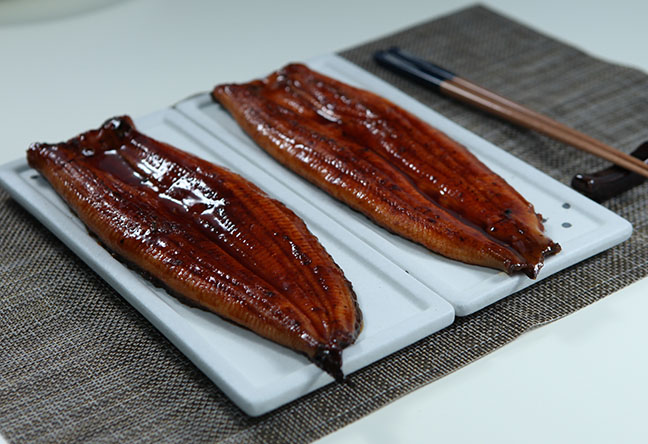
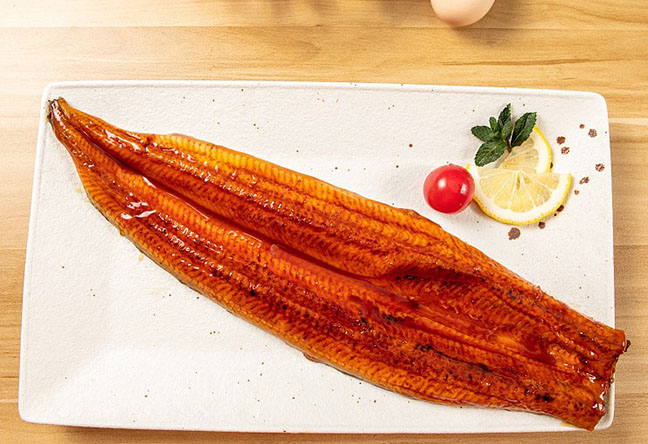
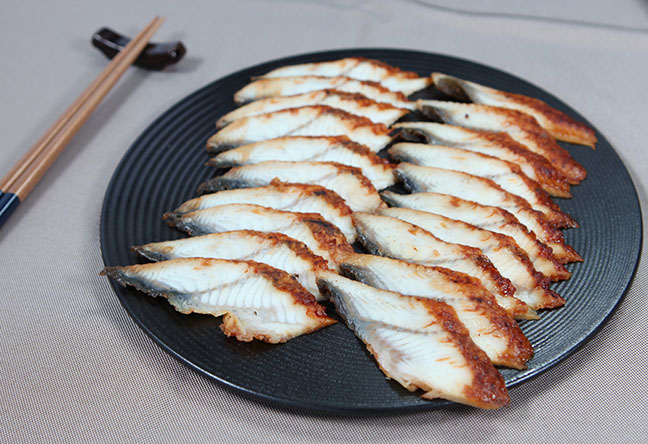
Look for an even fillet shape and a color appropriate to the product type. Kabayaki typically has a cooked brown surface from grilling and sauce application, while unseasoned eel will naturally look different. Some variation between fish is normal, but dark dry patches, gray-brown edges, or a noticeably dull surface can indicate oxidation or dehydration.
Also note broken portions. A limited amount of breakage may be acceptable in a foodservice pack intended for bowls or noodle dishes. It is much less acceptable when purchasing premium whole fillets for retail display or plated service.
Broken tails, split fillets, crushed edges, and detached pieces reduce usable yield. They may result from rough handling, weak structure after cooking, or excessive pressure during packing. Measure both the number and weight of damaged pieces in your sample rather than relying on a general visual impression.
Small natural marks can occur in fish tissue. Larger bruised areas, concentrated blood spots, or dark patches that remain obvious after thawing can affect presentation and customer acceptance. The supplier should define the permitted level in the product specification.
For skin-on eel, the skin should remain attached and reasonably intact. Excessive scraping, missing skin, deep cuts, or rough grill marks can lower presentation quality. For kabayaki, check that the sauce covers the fillet evenly, without large bare areas or burned sections.
Some eel products carry specific bone-removal claims, while others may retain small bones according to the agreed format. Confirm the specification before rejecting a lot. During a thawed sample inspection, use clean utensils and follow your site's food-safety procedure when checking for pin bones, bone fragments, or foreign material.
Size inconsistency can disrupt cooking times, menu costing, and retail presentation. Weigh a defined number of pieces from different cartons, then compare the results with the agreed tolerance rather than with one unusually large or small fillet.
Glazing is a layer of ice applied to some frozen seafood products to protect the surface from air exposure. It should not be confused with sauce on kabayaki. A light, even glaze can help protect the fillet, while thick, cracked, or uneven ice may conceal the product condition and reduce actual product yield.
When your contract includes a glaze percentage, verify it using the agreed test method. In general, the sample is weighed while frozen, the glaze is removed under controlled conditions, and the product is weighed again. Your quality team should follow the method specified by the buyer or required by applicable regulations.
Frozen unagi defects linked to dehydration often include:
Minor frost on the outside of a carton does not automatically mean the product has failed. The bigger concern is repeated frost, severe ice buildup, or dry patches on the fillet itself. These signs can point to poor packaging, extended storage, temperature fluctuation, or a broken seal.
A frozen inspection cannot reveal every problem. For an approved sample, thaw the product under controlled refrigeration according to your food-safety procedure. Do not leave seafood at room temperature for extended periods.
After thawing, check:
A thaw test should not replace microbiological or chemical testing when your risk assessment requires it. It is a practical receiving check, not a complete food-safety release program. Eel product standards should be supported by documented HACCP controls, traceability, sanitation records, and any certificates required for your destination market.
For prepared products, buyers can also review the eel sauce product specification separately. Sauce color, viscosity, saltiness, and ingredient declaration should be assessed against the agreed product sheet, not judged by appearance alone.
One good pouch does not prove that an entire shipment is consistent. Take samples from different cartons, pallet positions, production dates, and size codes whenever possible. Record findings by lot.
Your inspection form can include:
Batch consistency matters to distributors and restaurant groups. If one carton contains large portions while another has small, heavily broken pieces, buyers may receive complaints even if the shipment's average weight is correct.
For menu testing, prepare samples using the same method your customers will use. A restaurant may reheat kabayaki in a microwave, combi oven, pan, or over rice. The product should retain an acceptable shape and flavor after the stated preparation method. You can review frozen unagi kabayaki formats when comparing portion sizes and cooking requirements.
Do not discard evidence before contacting the supplier. Retain the affected carton, pouch, label, photographs, temperature records, and inspection notes. Separate the lot from approved inventory and mark it clearly.
Send the supplier:
A useful supplier response should explain the likely cause, affected lots, containment action, and prevention plan. Repeated freezer burn may require a packaging review. Inconsistent weights may call for a portion-control adjustment. Seal failures can require equipment checks and additional sampling.
Buyers who need a coordinated product range can also compare kabayaki sauce information and eel recipes for foodservice applications. The right product specification depends on how the eel will be sold and prepared.
Check the carton, labels, seals, frost, glaze, and product temperature first. Then examine frozen fillets for breakage, dark or dry patches, uneven sauce coverage, and size variation. Thaw an approved sample under refrigeration to assess odor, texture, drip loss, bones, and cooking performance. Compare every result with your purchase specification.
Buyers should look for open or leaking packages, heavy frost, freezer burn, dehydration, broken or crushed fillets, severe bruising, excessive dark marks, uneven portions, unwanted bones, sour or ammonia-like odor, and large differences between cartons. The acceptable limit depends on the product format and written specification.
While frozen, look for split edges, crushed tails, deep cuts, missing skin, pale dry patches, dark oxidation marks, and fillets stuck together by excessive ice. After controlled thawing, check for soft or ragged tissue, unusual drip loss, poor sauce adhesion, unpleasant odor, and pieces that do not hold their shape.
A practical standard should cover product identity, processing condition, size and weight tolerance, skin and bone requirements, sauce or glaze details, packaging, storage temperature, labeling, traceability, sampling, and permitted defects. It should also identify the documents and food-safety controls required for the destination market.
A reliable frozen unagi program begins with a clear specification and continues through production, packing, cold storage, and shipment. At Eelpro Co., LTD, we supply frozen unagi kabayaki, freshwater eels, eel sauce, and other frozen seafood for overseas buyers. Share your target size, pack format, sauce requirement, and inspection criteria with our team to discuss a suitable product for your market.



 WhatsApp
 sales@chinaeels.com
 +8619937922411