





Is Unagi Healthy Enough for Regular Meals if You Watch Portion Size
You just finished a box of unagi kabayaki and the glaze was so good you scraped the container clean. Now the question hits: is unagi healthy, or did you just eat a sugar bomb wrapped in fish? Short answer — the eel itself carries real nutrition. The glaze and the portion on your plate are what tip the scale one way or the other. Get those two details right, and unagi fits into a balanced diet without guilt.
Reviewed by Nancy Chen, Senior Food Safety & Quality Specialist, ISO 22000 & HACCP certified auditor with 12+ years in seafood export quality assurance.
What's Actually in a Serving of Unagi Kabayaki
Eel is a fatty fish, which is a good thing nutritionally. A typical 100g serving of roasted eel, before sauce, provides approximately 235-285 kcal, around 20-23g of protein, and 13-19g of fat — much of it unsaturated. That fat profile includes omega-3 fatty acids, the same category of fat found in salmon and sardines. Eel also contributes vitamin A, vitamin D, and B12 in meaningful amounts for a single serving.
Where the numbers shift is the glaze. Traditional eel sauce (unagi tare) is built from soy sauce, mirin, and sugar, reduced into a thick coating. That's where added sugar and sodium climb — not from the fish itself.
| Component | Per 100g, approx. | Notes |
|---|---|---|
| Plain roasted eel (no sauce) | ~235 kcal, 20g protein, 13g fat | Lean comparably to other fatty fish |
| Kabayaki with full glaze | ~285-310 kcal, similar protein, +8-12g sugar | Extra calories mostly from sauce, not fish |
| Sodium (glazed) | 400-600mg | Varies with sauce reduction level |
So when someone asks is unagi healthy, the honest answer depends on how much glaze and how large a portion land on the plate — not on the eel itself.
How Pairing Choices and Portion Size Can Reduce the Impact of Rich Eel and Sweet Glaze in a Balanced Meal
This is the part most home cooks skip, and it's where the real control lives. The fish is nutrient-dense; the glaze is calorie-dense. Pairing and portion size decide which one dominates your plate.
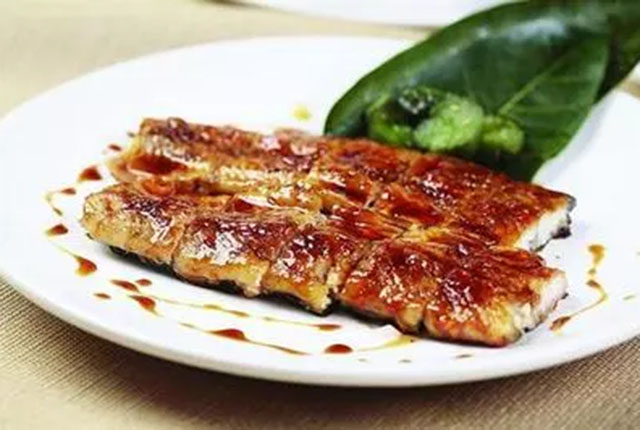
- Keep the eel portion to 80-100g per meal. That's roughly the size of a deck of cards. Beyond that, sugar and sodium from the glaze start adding up fast.
- Serve over a high-fiber base, not plain white rice alone. Mixing in brown rice, barley, or a bed of greens slows sugar absorption from the glaze.
- Add an acidic or bitter side. Pickled daikon, cucumber sunomono, or bitter greens cut through the richness and reduce the perceived heaviness of the fat.
- Go light on extra sauce at the table. The kabayaki already carries glaze baked in — pouring more on top doubles the sugar load without adding nutrition.
| Pairing Choice | Why It Helps | When It Doesn't Apply |
|---|---|---|
| Brown rice or barley base | Slows glucose spike from glaze sugar | Skip if you need fast carbs post-workout |
| Pickled vegetables side | Cuts fat richness, adds fiber | Not needed if meal is already vegetable-heavy |
| Green tea instead of sweet drink | Avoids stacking sugar on sugar | Fine to skip if portion is already small |
| Half-portion eel + grilled vegetable side | Lowers total calories without losing the dish | Not ideal for a protein-focused training meal |
Common failure point: people treat unagi like a light fish dish and serve it at the same portion as grilled chicken breast. Because of the glaze, that's roughly 1.5-2x the calories of an equivalent plain-grilled protein. Adjusting the side dishes, not avoiding the eel, is the fix. For more combination ideas, the flavor pairings for eel menus guide has tested options for home and foodservice use.
Step-by-Step: Building a Balanced Unagi Plate
- Thaw and portion first. Weigh out 80-100g per serving before cooking — guessing after plating almost always overshoots.
- Reheat gently, don't re-glaze. Oven or pan reheating at moderate heat keeps the existing sauce intact without adding a second coat.
- Build the base. Use a grain or rice bowl at a 1:1 ratio with the eel portion by volume, not a mountain of rice under a thin eel slice.
- Add one acidic and one fibrous side. Think pickles plus a leafy green or steamed vegetable.
- Check sodium for the day. If unagi is lunch, keep dinner lower in sauce-based dishes to avoid stacking sodium intake.
Checkpoint: if your bowl looks more glaze-colored than rice-colored, the portion is off. For donburi-style serving ideas that keep this ratio in check, see the donburi topping ideas breakdown.
Common Mistakes That Make Unagi Less Healthy Than It Needs to Be
- Doubling the sauce at the table. The product already carries 4 layers of glaze in the roasting process — extra sauce is rarely necessary.
- Pairing with sugary drinks. Soda or sweetened iced tea next to a glazed dish stacks sugar on sugar.
- Treating kabayaki as a side instead of the main protein. That leads to oversized portions eaten alongside other heavy dishes.
- Skipping the skin check. Lower-fat roasting processes reduce excess oil in the skin layer — worth knowing when comparing suppliers. Our kabayaki sauce process article explains how the coating is built in stages rather than poured on thick.
- Ignoring reheating method. Deep-frying a thawed portion adds fat that wasn't part of the original dish.
Choosing Frozen Unagi Kabayaki Worth Trusting
Nutrition on paper only matters if the product behind it is what the label says. For buyers sourcing unagi kabayaki at volume — restaurants, importers, or meal-prep brands — the sourcing side determines whether that nutrition profile is reliable from batch to batch.
- Ask for traceability back to the farm. Products from customs-registered eel farming bases can be traced from raw material through finished product, which matters for both food safety audits and consistent fat content.
- Check for in-house lab testing. A supplier running its own eel lab can verify veterinary drug residue and microbiological indicators against Japan, US, and EU standards before shipment, not after a complaint.
- Confirm certification scope. ISO 22000:2018 and HACCP certification, paired with HALAL certification where relevant, cover both process control and specific market requirements. These systems follow the same framework described by the FAO's food safety guidance for internationally traded foods.
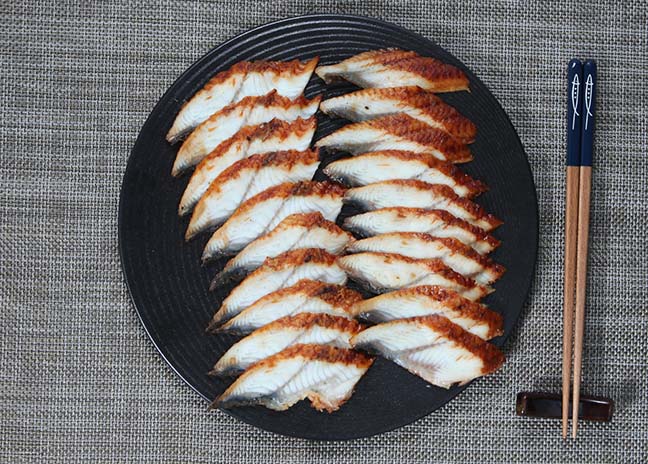
- Review cutting specs before ordering. Shredding, dicing, strip-cutting, or sushi slices affect portion consistency in foodservice, which in turn affects how predictable your per-serving calorie count is.
| Sourcing Question | Why It Matters |
|---|---|
| Cold chain capacity | A 1,000-ton cold storage facility keeps fat oxidation and texture stable across long shipments |
| Production capacity | 4,000 tons annual output across 2 lines signals the supplier can hold consistent specs at scale |
| Metal detection at critical points | Reduces contamination risk beyond standard visual inspection |
| Quality-control staffing | 25 dedicated QC staff out of 160+ employees suggests inspection isn't an afterthought |
For teams building a wider seafood menu alongside eel, our frozen seafood lineup covers additional species processed under the same food safety system.
Putting the Answer Into Practice
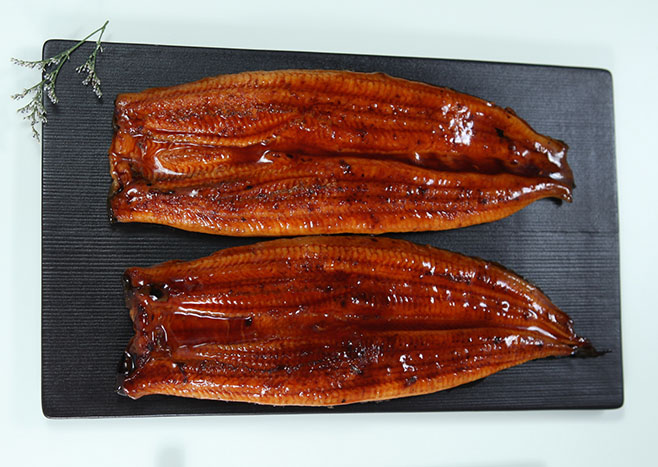
So, is unagi healthy? Yes, in the same way grilled salmon or mackerel is healthy — rich in protein, omega-3 fat, and several vitamins, as long as the portion stays reasonable and the glaze isn't doubled at the table. The fish isn't the problem. A 300g portion swimming in extra sauce is. Keep servings around 80-100g, pair with fiber and acid, and the dish sits comfortably in a normal week's eating pattern.
If you're sourcing unagi for a menu or a home freezer stock and want cutting specs, fat content notes, or a spec sheet compared across formats like gift boxes or skin-packaging, reach out for a quote or sample — it's easier to plan portions once you know exactly what's in the pack.
 WhatsApp
 sales@chinaeels.com
 +8619937922411