





Picture this: a hot grill, the sizzle of fillets hitting the grate, and that moment you reach for the brush. Dark, glossy sauce drips down—but which bottle is it? Kabayaki sauce or teriyaki? They look almost identical in the bottle, but use the wrong one and your dish will tell you the truth in the first bite. Let’s settle this once and for all.
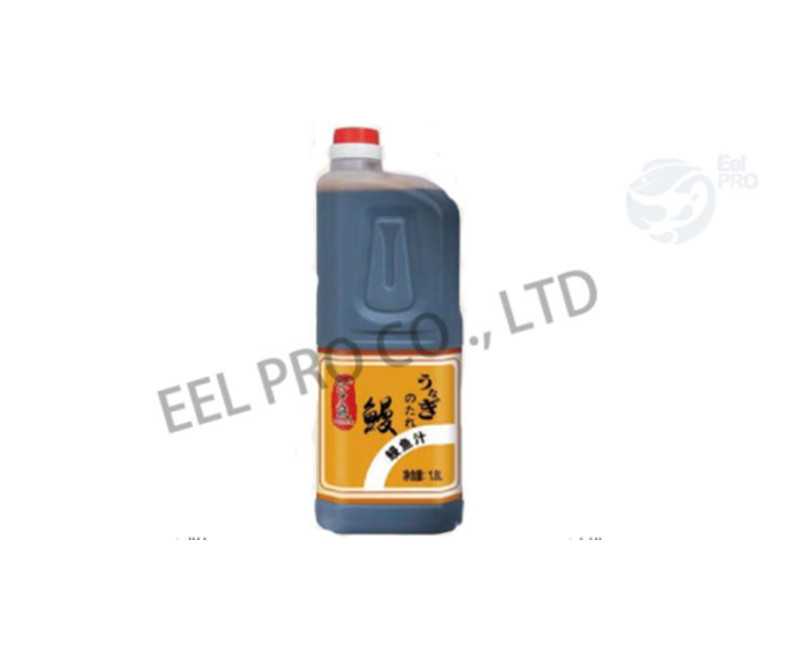
First, let’s go straight to the source. Japanese kabayaki sauce—often called eel sauce or unagi tare—was born for one job: glazing freshwater eel over a charcoal flame. The base is deceptively simple: soy sauce, mirin, sugar, and sometimes sake. But the magic happens in the reduction. A proper kabayaki sauce simmers slowly for hours, sometimes with the addition of eel bones or scraps from the grill, until it turns syrupy and fiercely savory-sweet. That’s why we always say it’s not just a sauce; it’s a concentrate of umami.
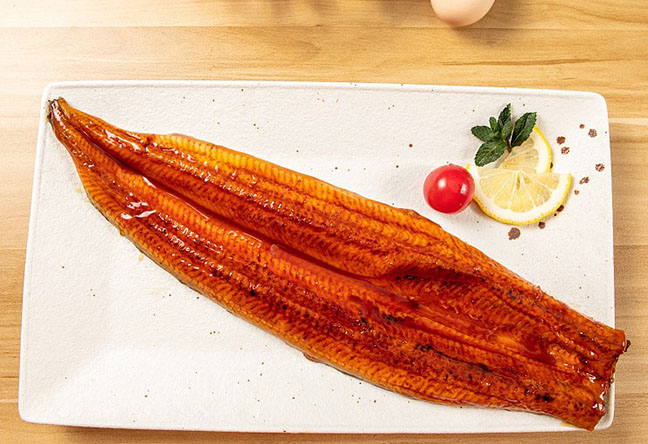
We make our own eel sauce this way—slow and deliberate. No shortcuts, no corn syrup pretending to be body. The result? A glaze that clings to grilled eel like it was always meant to be there. If you’ve ever had that perfect bite of unagi where the sauce forms a slightly sticky, caramelized crust, you’ve tasted real kabayaki sauce.
Teriyaki is the crowd-pleaser, the gateway Japanese sauce you’ve probably made at home. At its core, it’s also soy, mirin, and sugar. But teriyaki typically uses more ginger and sometimes garlic. It’s brighter, thinner, and designed to brush onto everything—chicken, beef, fish, vegetables—without overwhelming them. The name itself tells the story: “teri” means luster, “yaki” means grilled. It’s about creating a shiny finish, not a deep, layered crust.
In many Western kitchens, bottled teriyaki is even sweeter and thinner than the traditional Japanese version. That’s fine for a quick weeknight stir-fry. But try using it on a fillet of eel that needs to stand up to the boldness of the fish, and the flavor falls flat.
Let’s get specific. Both kabayaki sauce and teriyaki belong to the sweet soy sauce family, but they’re built for different jobs.
Kabayaki sauce is sweeter—but not in a candy way. The sweetness comes from mirin and a long, gentle cook that caramelizes the sugars deeply. Teriyaki is also sweet, but it’s a cleaner, simpler sweet. You taste the sugar up front, and then it disappears. Kabayaki lingers. It has bass notes, almost molasses-like, even though there’s no molasses in it. That’s the power of reduction.
This is where you see the practical difference on the plate. **Kabayaki sauce has a syrupy thickness**—if you dip a spoon in and lift it, the sauce sheets off slowly. Teriyaki runs thinner; it’s more of a glaze than a coat. For chefs, that means kabayaki gives you better coverage per brushstroke. You need less of it to get that glossy, lacquered look on grilled items.
Here’s a cold fact: many traditional kabayaki sauces get an umami boost from eel drippings that fall into the sauce during the repeated basting process. As we explained in our deeper look at kabayaki sauce, the sauce evolves over the cooking session, picking up smoky, fishy richness that you simply cannot fake with a generic teriyaki. Teriyaki, by contrast, relies solely on the soy base for umami. It’s good, but it’s one-dimensional next to a well-kept unagi tare.
Now for the real-world part. You’re in the kitchen, ingredients ready. What do you reach for?
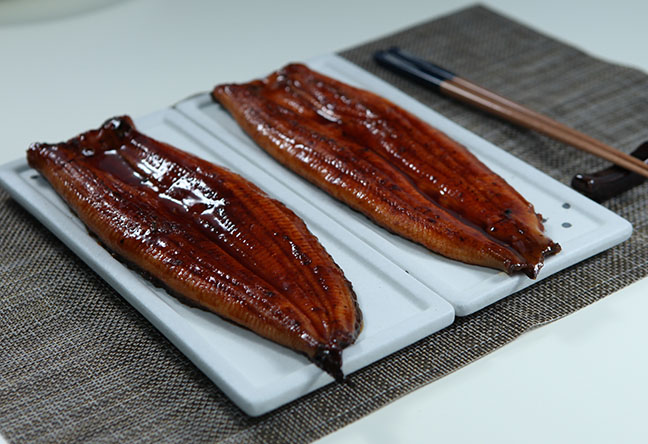
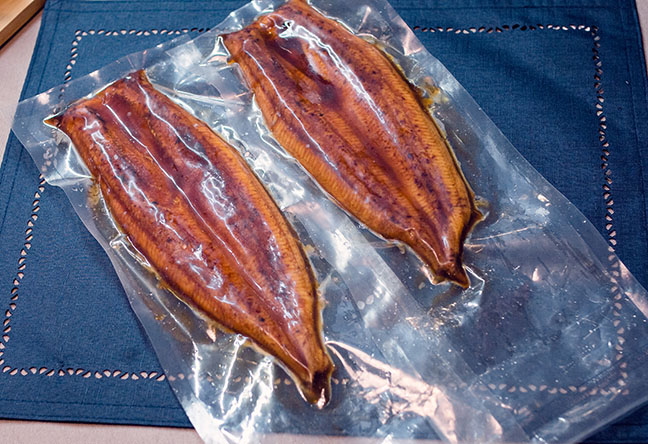
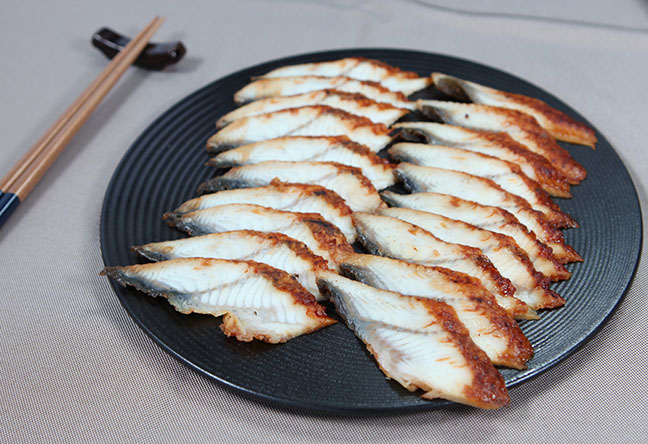
Grilled eel (unagi) – obviously. It’s non-negotiable. Our unagi kabayaki reaches its full potential only with this sauce.
Barbecued freshwater fish—trout, bass, even catfish—find a new soulmate here.
Rice bowls (donburi). A drizzle over hot rice, with some shredded nori and sesame, makes a simple meal feel indulgent.
Grilled tofu or eggplant. The thick sauce holds its own against absorbent ingredients.
Sushi rolls. A thin zigzag on top of an eel roll gives that signature look and taste.
Teriyaki is more delicate. It works when you want the protein to still be the star. Chicken teriyaki, salmon teriyaki, even pork loin—the sauce creates a shiny finish without masking the meat’s natural flavor. For quick sautéed vegetables, teriyaki’s thinness means it distributes evenly in the pan.

If you’re running a restaurant or a food truck, you care about yield, shelf life, and versatility. Let’s be blunt: kabayaki sauce stretches further. Because it’s concentrated and thick, you use less per serving. A little goes a long way. It also reheats beautifully—just warm it gently, and it returns to brushable consistency without splitting. Teriyaki, especially the thin commercial versions, can evaporate or boil off too fast on a flat top.
Storage-wise, both hold up well refrigerated. But kabayaki sauce’s high sugar content and density make it less prone to spoilage after opening. We’ve seen customers keep our eel sauce for months in the fridge without any loss of quality. One thing to watch: when buying in bulk, check the ingredient list. Avoid sauces that list water first, or use corn syrup as the primary sweetener. That’s a cheap teriyaki masquerading as something better. Real unagi glaze starts with soy sauce and mirin—if they’re not at the top, walk away.
Plenty of home cooks try this because teriyaki is easier to find. The result is never terrible—the dish will still be edible—but it’s missing the soul. The eel’s richness demands a sauce that can punch back. Teriyaki is too polite. That’s why Japanese unagi specialty shops guard their tare recipes like treasure. Some pots of master sauce have been kept alive, refreshed daily, for decades.
But you don’t need a multi-generational tare to cook great eel at home or in your restaurant. A well-made commercial kabayaki sauce, like the one we produce, brings that same depth. You just have to know what you’re looking for.
The main differences are thickness, sweetness, and purpose. Kabayaki sauce is thicker, sweeter, and deeper in flavor because it’s reduced slowly to a syrup, often infused with eel drippings in traditional settings. Teriyaki is thinner, brighter, often includes ginger, and is designed as a multi-purpose glaze. Kabayaki is specifically built to pair with fatty grilled fish like eel, while teriyaki is more neutral.
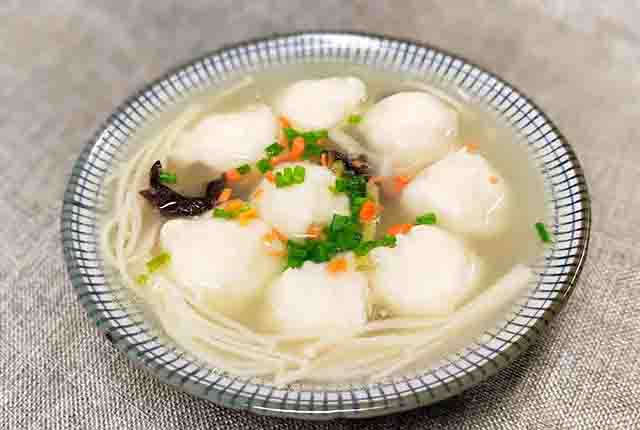
Beyond classic unagi kabayaki, this sauce is exceptional on grilled oily fish, over rice bowls, brushed onto grilled tofu or eggplant, and even as a finishing drizzle on sushi rolls. It’s less suitable for light white fish or quick pan-fries where you want a subtle touch—teriyaki would be better there. For recipe ideas, check out our guide on how to cook eel noodle soup, where the sauce transforms the broth.
For commercial kitchens, kabayaki sauce offers better coverage per ounce due to its viscosity. It also stands up to repeated heating and has a longer practical shelf life after opening. Many chefs find that a small batch of kabayaki sauce can flavor dozens of servings of rice bowls or grilled items, making it cost-effective. Just ensure you’re buying a product made with real soy sauce and mirin, not diluted with fillers.
Choosing between kabayaki sauce and teriyaki isn’t about one being better than the other. It’s about matching the sauce to the moment. If you’re grilling a beautiful piece of unagi, making donburi, or want that lacquered, intense glaze, go kabayaki. If you’re tossing chicken thighs in a pan or glazing salmon fillets for a light lunch, teriyaki does the job. But never confuse the two—because your eel won’t forgive you.
We’d love to hear how you use these sauces in your kitchen. Got a secret application for kabayaki sauce? Share it in the comments. And if you’re ready to taste what an authentic Japanese kabayaki sauce can do, take a look at our eel sauce and unagi kabayaki—they were made for each other.

 WhatsApp
 sales@chinaeels.com
 +8619937922411