





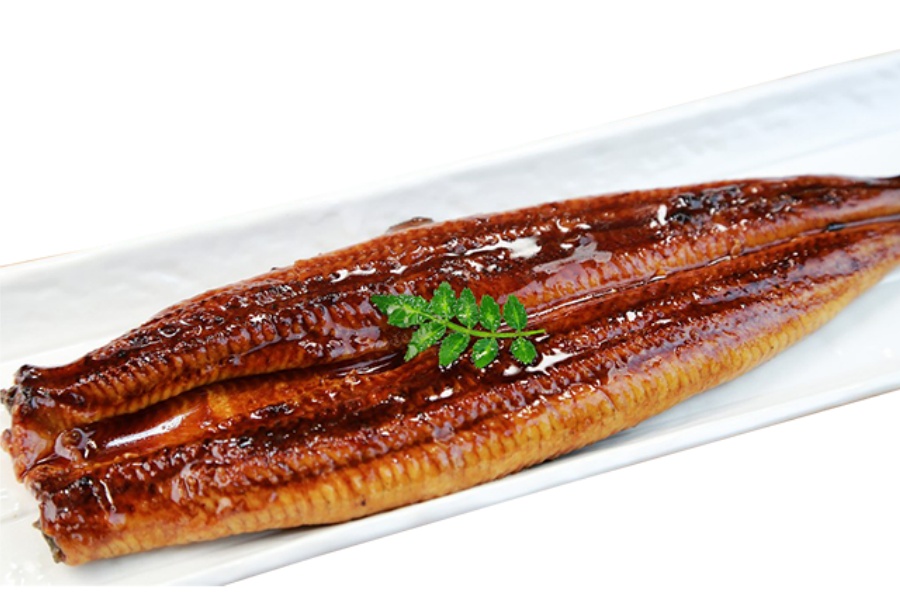
Unagi kabayaki cooking methods vary depending on whether you start with a raw eel or a pre-grilled frozen fillet. Traditional Japanese eel restaurants skewer and grill fresh eel over binchotan charcoal, basting repeatedly with eel sauce throughout the process. For kitchens using frozen unagi kabayaki, the cooking changes from a from-scratch grill operation to a reheating-and-finishing step. Both approaches have their place, and understanding the methods helps kitchens get the best result from the product on hand.
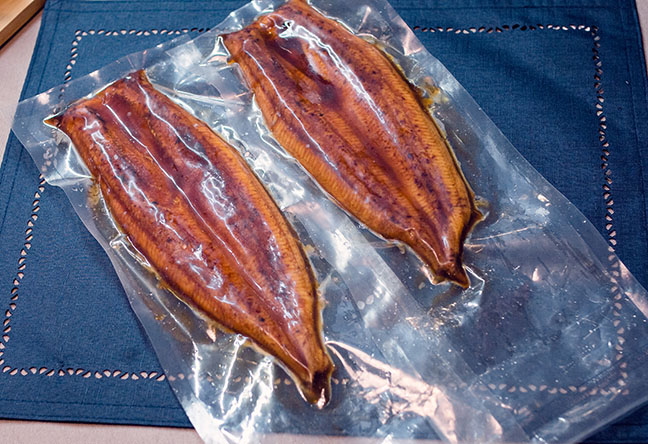
At Eelpro, we supply frozen unagi kabayaki to restaurants and food service operators. The product arrives fully cooked and pre-sauced, so the kitchen only needs to reheat. But how you reheat makes a noticeable difference to texture, sauce gloss, and overall plate quality.
In Japan, unagi kabayaki cooking methods split into two regional traditions. The Kansai method, centered around Osaka and Kyoto, grills the eel directly over charcoal from start to finish. The fillet is butterflied, skewered, and placed over binchotan, a dense white charcoal that burns at high heat with little smoke. The cook bastes with kabayaki sauce repeatedly, building layers of caramelized glaze. The result is a crisp exterior with a tender, fatty interior.
The Kanto method, common in and around Tokyo, adds a steaming step. After an initial grill, the fillets are steamed for several minutes. This softens the flesh and renders some of the fat. The eel is then returned to the grill for a final basting and charring. Kanto-style unagi has a softer, more yielding texture that many diners prefer for unagi don bowls.
Both methods demand skill and time. They also require a supply of fresh eel, which limits where and how often these dishes can appear on menus outside Japan.
For kitchens using frozen unagi kabayaki, the cooking methods shift from grilling raw eel to reheating cooked product. The goal is to warm the fillet through while restoring the sauce's gloss and, where possible, adding a bit of surface char. Here are the most common unagi kabayaki cooking methods for frozen product.
The preferred method in commercial kitchens. Place the frozen fillet skin-side down on a tray and run it through a conveyor toaster set to moderate heat, or under a salamander broiler with the rack set a few inches from the heating element. Heat until the sauce on the surface begins to bubble and darken slightly at the edges. This takes roughly three to five minutes.
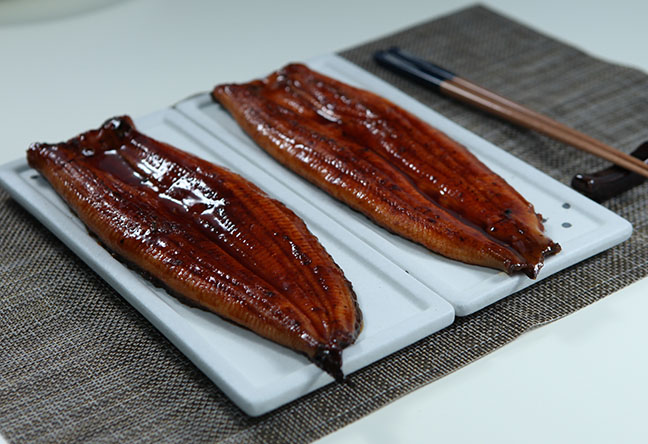
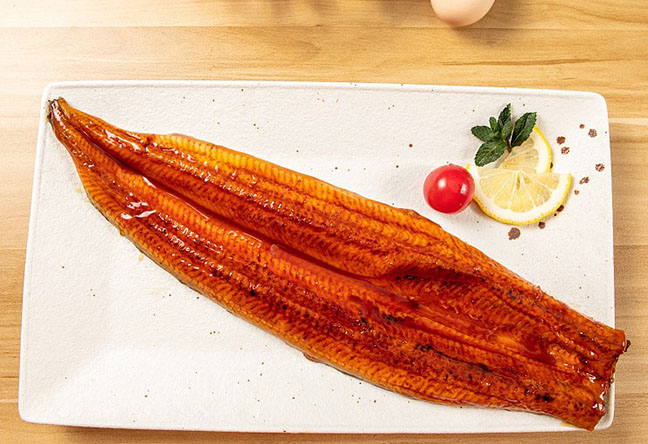
The dry radiant heat of a toaster or broiler crisps the eel surface and re-caramelizes the sauce without steaming the fillet. The skin side warms through from the tray contact. This method produces the closest result to traditional grilled unagi among the reheating options.
A grill or flat-top griddle works well for reheating frozen kabayaki in kitchens that already have these surfaces hot during service. Brush a small amount of neutral oil on the cooking surface first. Place the frozen fillet sauce-side up and let it warm for about two minutes. Flip sauce-side down for 30 to 60 seconds to char the glaze, then flip back to serve.
The key is not leaving the sauce side down too long. Because the sauce contains sugar, it burns quickly on direct heat. A brief sear adds flavor; a long one adds bitterness.
An oven set to 180 degrees Celsius works for reheating multiple fillets at once. Arrange fillets on a lined baking sheet, sauce-side up. Heat for six to eight minutes, checking at the five-minute mark. The fillets are ready when the sauce looks glossy and the center is warm.
For a finish closer to grilled unagi, switch the oven to broil for the last minute. Watch carefully to avoid burning the sauce. The oven method is the most hands-off option and suits banquet and catering operations where timing multiple dishes matters more than individual attention.
A non-stick pan over medium heat works as a quick option. Place the frozen fillet sauce-side up in the pan, cover with a lid, and heat for about three minutes. The lid traps steam, which warms the fillet through without drying it out. Remove the lid, flip the fillet sauce-side down for 30 seconds, and serve.
This method is faster than the oven but produces a softer texture. The steam from the covered pan prevents the surface from crisping as much as dry-heat methods. For eel recipes where the eel goes into soup or a rice bowl with plenty of sauce, the softer finish is acceptable. For dishes where the eel sits on top and needs to look crisp, use the broiler or grill instead.
A microwave will heat frozen unagi in about one to two minutes, but the result is steamed rather than grilled. The surface sauce liquefies instead of caramelizing. The flesh can become slightly rubbery if overheated. Use the microwave only when speed is the absolute priority and plate appearance is secondary. Cover the fillet with a damp paper towel to retain some moisture and heat in 30-second bursts.
The answer depends on your kitchen setup and menu format. A conveyor toaster or salamander broiler gives the best result for restaurants serving unagi don bowls where the eel sits prominently on the rice. The char and sheen communicate quality to the diner before they take the first bite.
A grill or flat-top suits kitchens that want to prepare eel during service alongside other proteins. The eel can share the hot surface with chicken, beef, or fish, and the cook can manage everything from one station.
The oven works for bulk preparation in catering and banquet settings. An entire sheet tray of fillets can be ready in under ten minutes with almost no active cooking time.
Whichever approach you pick, the product quality starts with the frozen fillet itself. Choose a supplier whose fillets are evenly sized, properly sauced, and individually quick-frozen for the best results in your kitchen. Whether you serve freshwater eel in a traditional Japanese format or adapt it to modern eel cuisine, having a reliable cooking process means consistent plate quality every service.

 WhatsApp
 sales@chinaeels.com
 +8619937922411