





The glaze catches the light under the grill, the rice is steaming, and one question often comes up: is unagi simply an indulgence, or can it be part of a balanced meal? This guide looks at unagi nutrition, including its vitamins, minerals, serving sizes, cooking methods, and sauce choices.
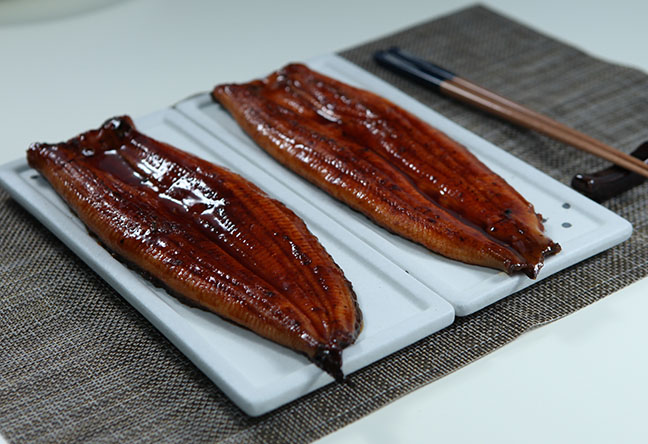
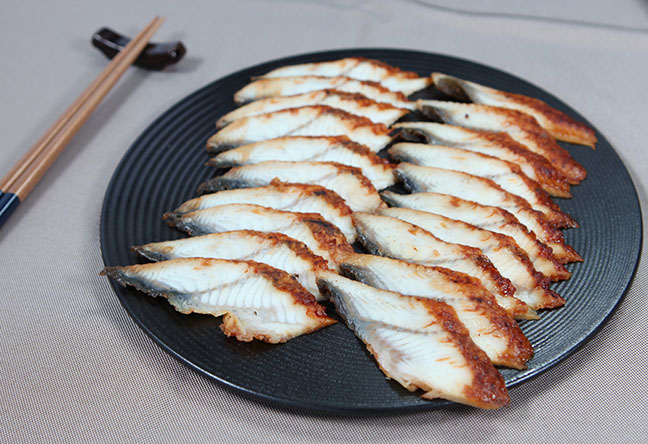
Unagi is freshwater eel, most often served as unagi kabayaki. The eel is filleted, grilled, brushed with a sweet-savory sauce, then grilled again until the surface turns glossy. Beyond protein and fat, this familiar restaurant dish provides vitamin A, vitamin B12, vitamin D, selenium, phosphorus, and other nutrients.
Exact values vary by species, raw material, trimming, cooking loss, and sauce coverage. A plain cooked eel entry in the USDA FoodData Central database offers a useful reference: per 100 grams, cooked eel contains approximately 236 calories, 23.7 grams of protein, and 15 grams of fat. These figures apply to plain cooked eel, not every packaged kabayaki product. When comparing products for retail or foodservice use, always check the current specification sheet.
The fat is not automatically a negative. Eel is naturally oily fish, and some of that fat consists of long-chain omega-3 fatty acids, including EPA and DHA. Levels can differ from one product to another, so buyers should request an up-to-date nutrition panel or laboratory specification instead of applying a single figure to every shipment.
Eel is well known for its vitamin A content. Vitamin A supports normal vision, skin maintenance, and immune function. Plain cooked eel can provide a substantial amount, though the final level changes with the species and preparation method.
That is also why portion size matters. More is not always better when a food contains concentrated nutrients. Consumers who take vitamin A supplements, or who have been advised by a healthcare professional to limit vitamin A intake, should consider their whole diet rather than looking at one food in isolation.
Vitamin B12 helps form red blood cells and supports normal nervous-system function. Fish and seafood are valuable dietary sources, and eel contributes B12 alongside high-quality protein. A 100-gram portion of cooked eel provides a meaningful amount, although the exact figure depends on the product and database used.
For foodservice menus, this has a practical benefit. A bowl with eel, rice, and vegetables can make a satisfying protein-centered meal without requiring an oversized piece of fish. Vegetables also bring fiber and color that eel and rice alone do not provide.
Vitamin D helps the body absorb calcium and supports bones and normal muscle function. Eel is one of the fish that can contribute vitamin D to the diet. Sun exposure, fortified foods, supplements, and other seafood may contribute as well.
Vitamin D values can vary considerably between samples. Do not promise a fixed amount on a menu or package unless product testing supports that claim.
Among the eel vitamins and minerals, selenium deserves attention. It forms part of antioxidant enzymes and helps support normal thyroid function. Eel also provides phosphorus, a mineral involved in bones, teeth, and energy metabolism.
Smaller amounts of minerals such as potassium, zinc, and iron may also be present. The final profile depends on the eel, feed, water conditions, trimming, and cooking method. For export products, a technical data sheet is the most reliable source for commercial nutrition communication.
Many restaurant portions contain around 80 to 100 grams of cooked eel, although sushi toppings may be much smaller and a donburi portion may be larger. This range is a practical starting point, not a universal rule.
| Serving situation | Typical cooked eel amount | Practical use |
|---|---|---|
| Sushi topping | 20–40 g | Small portion with rice and other toppings |
| Home rice bowl | 80–100 g | One protein portion with rice and vegetables |
| Restaurant unadon | 100–150 g | A larger main meal, often with sauce |
| Shared dish | 40–80 g per person | Part of a meal with several dishes |
These amounts help answer the common question, “how much unagi should you eat per serving?” For most healthy adults, 80 to 100 grams of cooked eel is a reasonable meal portion when paired with rice, vegetables, soup, or pickles. Personal energy needs, age, health conditions, and the rest of the day’s meals all matter.
For buyers, portion planning also affects yield. A 200-gram frozen fillet may provide two 100-gram servings before trimming or cutting. A foodservice kitchen can use smaller cuts for sushi, rice bowls, eel noodle soup, or mixed seafood platters. Clear size grading makes purchasing and menu costing more straightforward.
The short answer: cooking changes water content, fat distribution, calories per finished gram, and the amount of sauce left on the surface. The eel does not suddenly become a different food, but the nutrition values of the finished portion can shift.
Grilling can allow some fat to drip away while heat removes water. As a result, nutrients may become more concentrated by weight in the cooked fish. A plain grilled fillet is easier to compare with a basic nutrition database entry than a heavily sauced product.
For consistent kitchen results, thaw the fillet under refrigeration and grill it until the thickest part reaches 63°C (145°F), the minimum internal temperature recommended by the U.S. Food and Drug Administration for fish. Use a clean thermometer; color alone is not a dependable safety test.
Kabayaki sauce, also called unagi tare, usually contains soy sauce, sugar, mirin or a similar sweet seasoning, and other recipe-specific ingredients. It adds sweetness, umami, moisture, and sodium. The sauce also contributes calories, though the total depends on how much is brushed on and how much remains in the tray.
Our eel sauce product page is useful for buyers comparing sauce formats and applications. When reviewing a specification, check the serving basis carefully: is the nutrition information for the eel alone, the finished glazed product, or eel plus additional sauce?
In foodservice, sauce control makes a noticeable difference. A light brush before grilling creates a clean shine. A second thin coat near the end builds flavor without leaving a thick, sticky layer. Keep extra sauce on the side for customers who are monitoring sodium or added sugar.
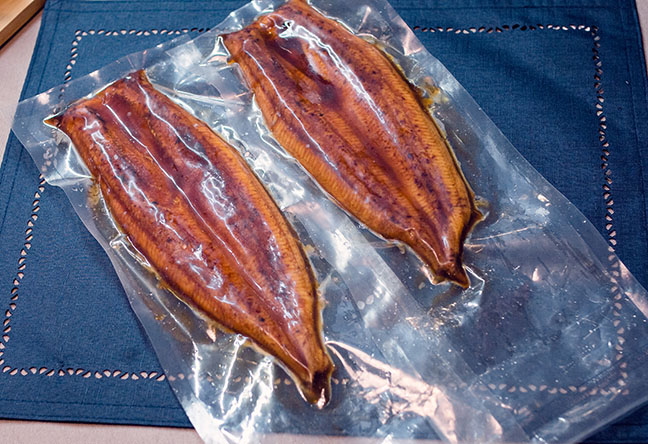
Steaming adds moisture without adding oil. It is gentle on the fillet, although it does not create the roasted aroma of direct grilling. Frozen kabayaki is often already cooked, so reheating should warm the center and refresh the surface rather than cook the eel from raw.
For a crisp finish, reheat in an oven or air fryer at about 180°C (356°F) for 6–10 minutes, depending on fillet thickness and whether it is thawed. Follow product instructions first. Avoid overheating, as a thin fillet can dry out quickly.
For importers, distributors, and restaurant groups, request the product specification, ingredient list, allergen statement, country-of-origin information, package weight, glazing details, and storage requirements. Confirm whether the stated weight is net weight, drained weight, or weight including glaze.
Nutrition panels should identify the reference amount, such as per 100 grams or per serving. This is important when comparing a plain frozen eel fillet with a ready-to-heat kabayaki product. Two products may look different on paper simply because one includes sauce and the other does not.
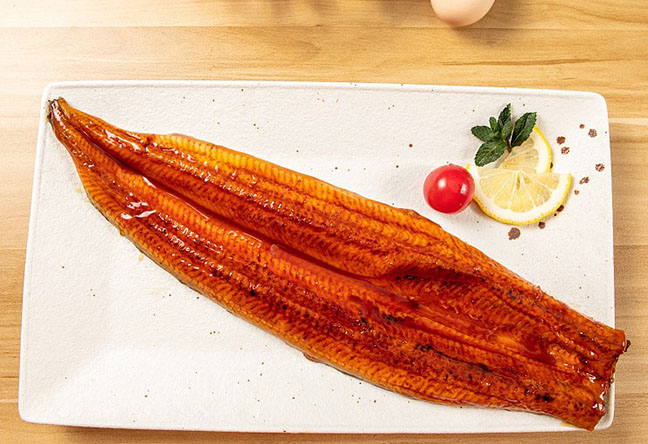
A good frozen kabayaki fillet should have a recognizable eel shape, even thickness, clean trimming, and a sauce layer that is evenly distributed rather than pooled. After thawing, the flesh should hold together and smell clean, without a strong sour or ammonia-like odor.
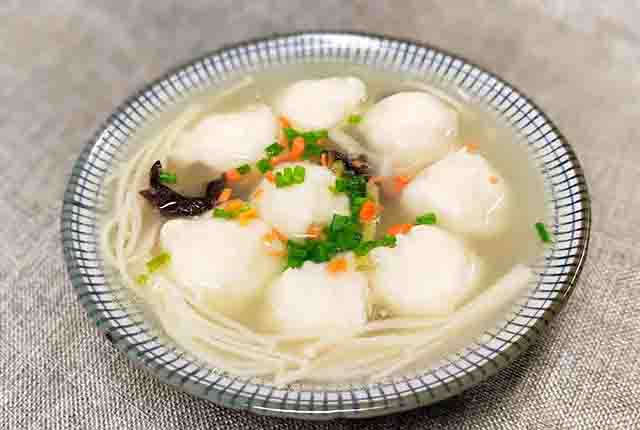
For portion control, match the product size to the menu. Smaller pieces suit sushi counters and bento boxes. Wider, longer fillets work well for unadon and retail packs. Eel intended for noodle soup can be cut into bite-size pieces, as shown in our eel noodle soup recipe.
Explore our frozen unagi kabayaki when you need a ready-to-heat option for restaurants, wholesalers, or home cooking. With very little preparation, eel can go from freezer to a polished meal.
Cold fact: unagi is not the same fish as anago. Unagi generally refers to freshwater eel, while anago commonly refers to conger eel, a marine eel. Their texture, fat content, flavor, and menu applications differ.
Avoid this mistake: do not compare calories or sodium values without checking whether the sample includes sauce. A plain cooked eel entry and a glazed kabayaki label may describe different foods. For a fair comparison, use the same basis: per 100 grams of finished product or per defined serving.
Unagi is rich and flavorful, so it pairs naturally with simple sides. Serve it over a moderate portion of rice with steamed spinach, cucumber salad, blanched broccoli, or shredded cabbage. Miso soup and pickled ginger add contrast, while citrus or sansho pepper cuts through the richness.
If you are planning a menu, consider using a smaller eel portion and adding more vegetables. A 60–80 gram eel serving works well in a set meal with soup, salad, and rice. A larger portion may suit a main-course donburi, especially for customers looking for a filling protein dish.
Keep cross-contact in mind. Kabayaki sauce commonly contains soy, and some recipes may include wheat through soy sauce. Buyers serving customers with allergies should review ingredient and allergen documentation before making a claim.
Unagi provides vitamin A, vitamin B12, vitamin D, selenium, and phosphorus, along with smaller amounts of minerals such as potassium, zinc, and iron. Exact levels vary by species, farming conditions, trimming, cooking, and sauce. Use the supplier’s current nutrition panel for any packaged product.
A practical serving is usually 80–100 grams of cooked eel for a main meal. Sushi portions may be much smaller, while restaurant rice bowls can contain 100–150 grams. Consider your overall diet, energy needs, and any advice from your healthcare professional.
Grilling can remove some water and fat, which may concentrate nutrients per 100 grams of finished fish. Sauce adds sodium, sugar, and some calories. Steaming adds moisture without oil but creates a different texture. Consider reheating instructions and the final amount of sauce when comparing labels.
Yes. Plain cooked eel contains approximately 23.7 grams of protein per 100 grams according to a USDA FoodData Central reference entry. Product values can differ, so commercial buyers should verify the specification for the exact item.
Unagi combines a satisfying texture with a useful mix of protein, fatty acids, vitamins, and minerals. Its unagi nutritional value depends not only on the fish itself but also on portion size, grilling loss, sauce coverage, and the sides on the plate.
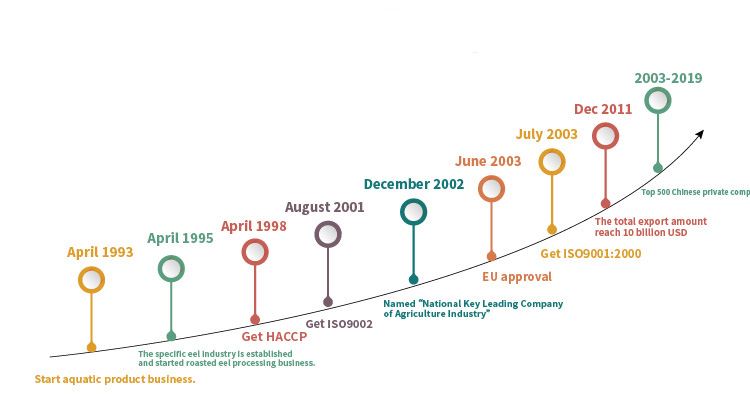
For dependable results, compare products on the same nutrition basis, confirm the net weight and sauce ingredients, and choose a portion that suits the meal. Eelpro Co., LTD supplies frozen unagi kabayaki, eel sauce, frozen seafood, and freshwater eels for overseas buyers. Visit our article on kabayaki sauce to see how sauce balance shapes the finished dish, then contact us to discuss product sizes and specifications for your market.
How do you prefer your eel served—lightly glazed over rice, in sushi, or with noodles? Share your favorite preparation and portion in the comments.



 WhatsApp
 sales@chinaeels.com
 +8619937922411