





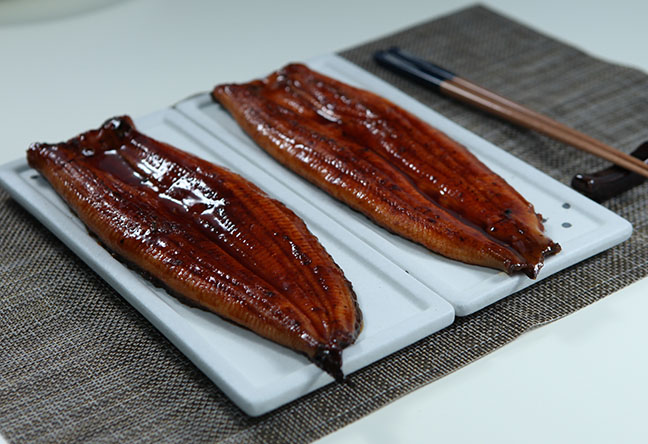
Picture this. You’ve got frozen unagi kabayaki sizzling on the grill. The rice is steaming. The kitchen smells like a late-night Tokyo street stall. One problem. No unagi sauce. That sticky, sweet-savory glaze is the whole point. Where do you find unagi sauce near me when the craving hits? We’ve hunted through every channel—Asian grocery aisles, tiny Japanese specialty nooks, restaurant back doors, and direct supplier lists—so you don’t have to. This guide compares them side by side.
If you live within driving distance of a city with a Chinatown or a major Asian chain like H Mart, 99 Ranch, or Mitsuwa, you’re in luck. These unagi sauce retailers often stock two or three Japanese brands in the condiment aisle, tucked between the ponzu and the tonkatsu sauce. You’ll find plastic squeeze bottles and squat glass jars. Prices typically hover between $5 and $8 for a 12-ounce bottle.
Variety is decent, but you have to read labels. Some mass-market bottles are merely sweetened soy with zero dashi. Look for the characters ‘unagi no tare’ (うなぎのたれ) and a short ingredient list that starts with soy sauce, mirin, and sake. If the first ingredient is sugar or high-fructose corn syrup, put it back. The real thing has a thin, almost maple-syrup consistency when cold and a glossy sheen when heated.
One more tip: early afternoon on a weekday is your best time to avoid empty shelves. Shipments of imported Japanese seasonings tend to get restocked mid-week, and the truest bottles disappear fast.
When we want no-compromise tare, we head to Japanese eel sauce shops like Tokyo Central in California, Marukai, or small strip-mall izakaya-grocery hybrids that only a handful of locals know about. These spots carry regional variations—Kanto-style tare that’s darker and richer from extra soy simmering, or lighter, sweeter Kansai blends that lean on white sugar and mild soy.
You might also stumble on refrigerated fresh tare. No preservatives. Just soy, mirin, bone extract, and time. It demands you store it at 35–40°F and use it within a week of opening, but the flavor is night-and-day compared to shelf-stable options. If you run a small ramen or donburi counter, buying a few jars here gives you a straight line to the taste that keeps regulars coming back.
For restaurant-sized volumes, though, the arithmetic changes. Specialty shop jars cap at around 600 grams and the markup per ounce stings. That’s when it pays to look beyond the neighborhood shops.
Here’s a hack most people overlook. Many sushi-ya and unagi specialists sell their house-made tare right at the counter—if you’re polite enough to ask. We’ve scored 8-ounce deli containers for $10 from a tiny six-seat spot in San Gabriel. The chef even scribbled a “use by” sticker on the lid.
Freshness is the obvious win. Complexity is another: house recipes often include simmered eel bones, sake lees, or a whisper of ginger. The trade-off? Shelf life. Most restaurant batches skip stabilizers, so you’re on the clock. Go this route only if you plan to cook through that container within a few days. For a big backyard unagi party, it’s brilliant. For a single weeknight impulse, half the bottle might go to waste.
Also worth noting: availability depends entirely on your zip code. If you’re in rural Kansas, “unagi sauce near me” might lead you to zero restaurant leads. That’s when online channels earn their keep.
When the local hunt comes up empty, a browser window becomes your storefront. Amazon and Weee! list dozens of shelf-stable unagi tare bottles, often in multi-packs. You can compare ingredient panels without squinting in a fluorescent-lit aisle. The downside? Shipping costs can nearly double the price of a single bottle, and heat exposure during transit can dull that delicate bonito top note.
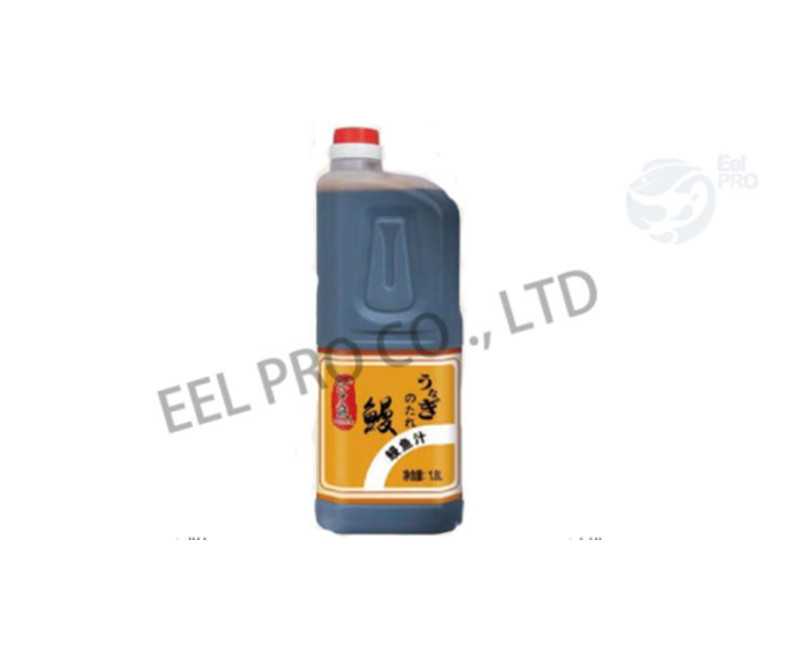
Where the web truly shines is direct sourcing from unagi sauce suppliers. If you’re a restaurant, caterer, or central-kitchen operator who goes through gallons a month, a producer like Eelpro can ship the exact tare that glazes our export-grade frozen unagi—from the same batch, with the same recipe—straight to your loading dock. Consistency stops being a guessing game. You get the same glossy lacquer and savory depth every single time, whether you’re plating 20 bowls or 2,000.
For a deep dive on what separates a good tare from a great one, our piece on why our kabayaki sauce is the secret weapon walks you through the process—from dashi extraction to final brix readings.
Googling “teriyaki sauce near me” when you can’t find unagi sauce is tempting. Don’t do it. Teriyaki is built differently—it’s thicker, cloyingly sweeter, and heavy on sugar and cornstarch. Real unagi tare has backbone: a whisper of smoky bonito and kombu that carries the eel instead of smothering it. Never use teriyaki as a 1:1 swap; it masks the unagi’s natural umami. You’ll end up with something closer to a mall food-court stir-fry than a Tokyo donburi.
If you absolutely must substitute in an emergency, thin the teriyaki with a splash of water and a drop of mirin. Then immediately put “real unagi sauce” on your next shopping list.
Many bottles labeled “eel sauce” in English are little more than tinted sugar syrup. A true tare gets its body from long, patient simmering of soy, mirin, sake, and often real eel bones. Here’s how to weed out the impostors:
Ingredient list: Bonito extract, kombu, or dried fish powder should appear, even in tiny amounts.
Color: It should be dark amber, not opaque black. Hold the bottle up to light—a genuine tare shows a reddish-brown halo.
Aroma: A flat, chemically smell means hydrolyzed vegetable protein is doing all the heavy lifting. A slow-cooked tare smells faintly roasted, with a mirin-kissed sweetness.
Viscosity test: Drizzle a teaspoon over hot rice. Authentic sauce glazes and slowly sinks in; knockoffs pool like cheap pancake syrup.
Once you’ve tasted a real one, you’ll never go back. The eel’s richness deserves that level of care.
Still torn? Here’s the channel-by-channel snapshot to match your situation.
Single home cook, one bottle: Asian supermarket or local Japanese specialty store. Low shipping risk, immediate gratification.
Home cooking, quality obsessed: Japanese eel sauce shop’s refrigerated tare. Unbeatable freshness, just plan your meals around that short window.
Restaurant or pop-up doing regular volume: Direct from an unagi sauce supplier like Eelpro. Bulk pricing, identical flavor across shipments, and you skip the retail markup.
Curious home chefs who want to experiment: Restaurant house-made tare + an online bottle. Compare side by side and see which style hits the sweet spot for your palate.
Start with large Asian supermarkets, then smaller Japanese specialty stores. If those don’t carry it, ask your local sushi restaurant or order from online unagi sauce suppliers that ship nationwide.
Japanese eel sauce shops like Mitsuwa, Marukai, or Tokyo Central, and dedicated online retailers that source directly from eel processors, tend to carry the real deal. Always check for bonito extract and mirin in the ingredients—if those are missing, walk away.
Depends on volume and urgency. For a single bottle, local pick-up saves shipping delays. But restaurants, meal-prep services, and anyone going through large amounts benefit from online unagi sauce suppliers who offer bulk packaging and consistent quality without the store-by-store lottery.
You don’t need a plane ticket to get the glossy, soulful finish that makes unagi memorable. Whether you grab a jar from a hidden Japanese market or stock your kitchen with a direct-from-farm eel sauce that mirrors what coats our unagi kabayaki, the right bottle changes everything. Next time you’re stuck thinking “unagi sauce near me,” you’ll know exactly where to look—and what to look for.
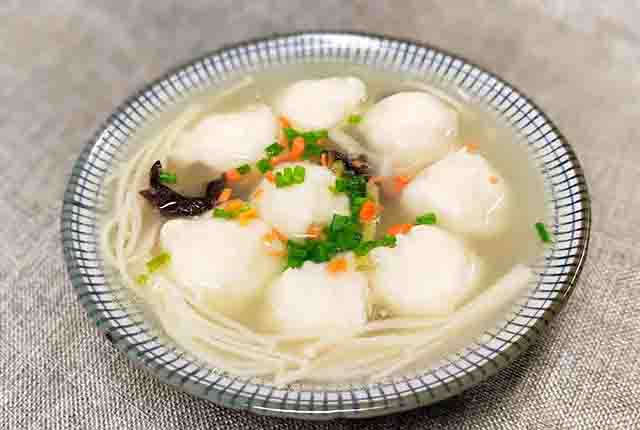
Have a favorite local source we missed? Tell us about it in the comments. And if you’re hungry for more ideas, our eel noodle soup recipe puts that tare to work in a steaming bowl of comfort.


 WhatsApp
 sales@chinaeels.com
 +8619937922411