





Walk into a Japanese restaurant in London, a sushi bar in Los Angeles, or browse a seafood distributor's catalog in Singapore — and you'll bump into at least half a dozen different eel dish names. Unagi don. Kabayaki. Shirayaki. Hitsumabushi. The list sprawls. Some terms describe the cooking method. Others point to how the fish is served. A few are regional specialties you won't find outside specific prefectures in Japan.
For foodservice operators and seafood buyers, this isn't trivia. It's practical knowledge that shapes purchasing decisions.
We've shipped frozen unagi kabayaki to restaurants across 20 countries. Along the way, we've watched chefs and importers wrestle with the same menu terminology puzzle. An eel dish called one thing in Tokyo might carry a completely different label on a menu in Sydney. Same fish. Same prep. Different name.
This guide untangles the naming conventions. No fluff. Just a clear walkthrough of the eel dish types that matter in international food trade — and the product formats behind them.
The confusion has roots. Freshwater eel (unagi) and saltwater eel (anago) are different species — yet both show up under generic "eel" listings on wholesale platforms. Add regional Japanese dialects, translated menu terms, and the habit of some distributors to invent their own product names, and you get a real mess.
We once saw a buyer order "grilled eel fillet" expecting shirayaki, only to receive kabayaki basted in sweet soy glaze. Expensive mistake. The supplier used vague English terminology that didn't match any standard eel dish category.
A few things to keep straight from the start:
Unagi = freshwater eel (specifically Anguilla japonica). This is what most premium eel food products use.
Anago = saltwater conger eel. Lighter flavor, softer texture, less fat.
Kabayaki = butterflied, skewered, grilled with sweet soy-based sauce.
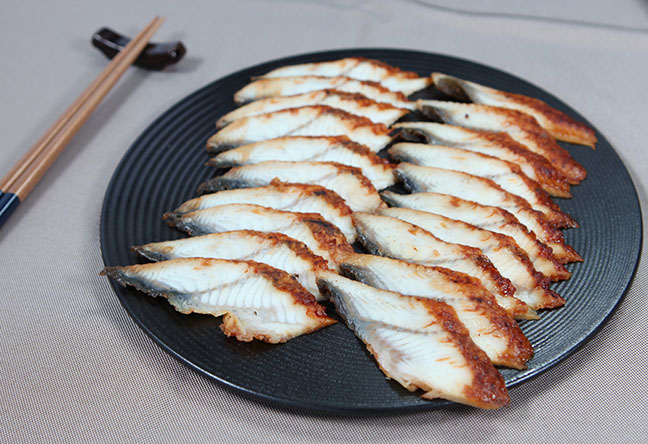
Shirayaki = grilled without sauce. Just the fish, charcoal, and heat.
Those four terms alone cover maybe 80% of what you'll encounter. The rest is mostly format and presentation.
Let's get specific. Below are the eel dish types you'll actually see on restaurant menus, in retail packs, and on B2B product sheets. We'll cover both the Japanese name and how these dishes typically appear in English-language trade contexts.
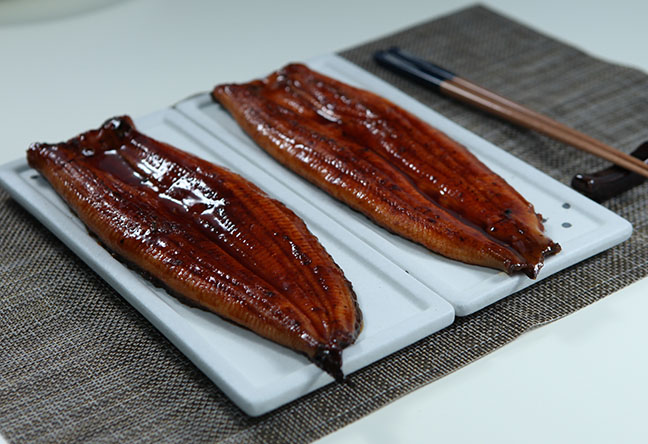
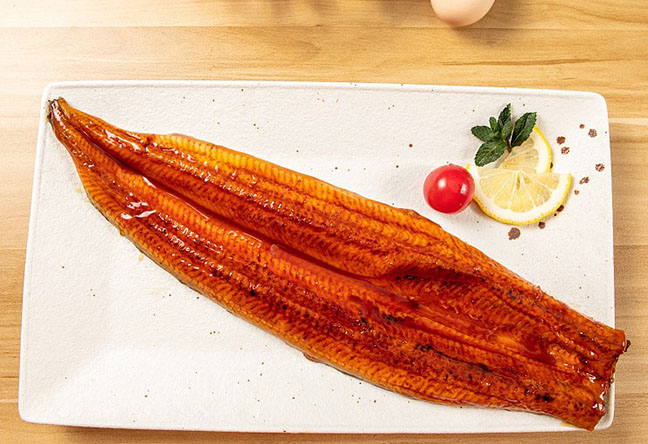
If there's one eel dish format that dominates international trade, it's kabayaki. The eel is butterflied open, deboned (mostly — tiny soft bones remain but dissolve during grilling), skewered, grilled, steamed, then grilled again with a glaze of soy sauce, mirin, sugar, and sake. The result is glossy, dark brown, and intensely savory.
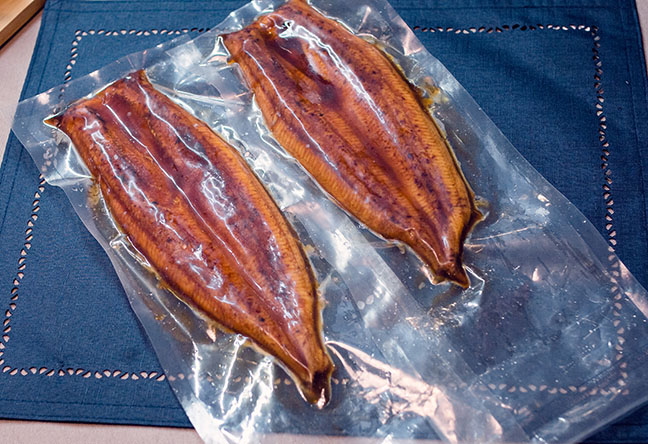
In frozen form, kabayaki arrives pre-grilled and vacuum-sealed. Restaurants simply reheat it with a torch, oven, or grill. This is exactly what we produce at Eelpro — our unagi kabayaki comes frozen, portioned, and ready for service.
On menus, you'll see kabayaki served as a standalone fillet, sliced over rice, or tucked into sushi rolls. The term "kabayaki" itself refers strictly to the preparation method — butterflied and sauced — not the species.
Shirayaki is kabayaki's quieter sibling. Same butterflying and grilling technique. Zero sauce. What you taste is the eel's natural fat, the smokiness from charcoal, and nothing else. Chefs often serve it with a dab of wasabi and a small dish of salt or soy sauce on the side.
For buyers, shirayaki offers flexibility. A kitchen can use it as-is for minimalist presentations, or add house-made sauces without competing with the standard kabayaki glaze. Some high-end sushi bars prefer ordering shirayaki and finishing it their own way. The trade-off: shirayaki has a shorter freezer shelf life because the sauce layer in kabayaki acts as a protective barrier against oxidation.
Both are grilled eel over steamed rice in a lacquered box (unaju) or a deep bowl (unadon). Same components. Different vessel. The distinction matters more for tableware ordering than eel purchasing, but menu terminology gets fuzzy when restaurants just call everything "eel rice bowl."
Unaju typically uses a rectangular jubako box, giving a more formal feel and often a higher price point. Unadon is the casual bowl version. The eel itself — almost always kabayaki — is identical in both formats. For B2B purposes, you're still buying the same frozen kabayaki fillet. The kitchen handles the plating.
Hitsumabushi deserves its own category among unagi dishes because the eating ritual sells the dish as much as the ingredients. Originating in Nagoya, it features chopped kabayaki eel over rice, served with a tray of condiments: shredded nori, wasabi, green onions, and a pot of dashi broth.
Diners eat it in three stages. First bite: plain eel and rice. Second: add condiments. Third: pour hot dashi over the remaining portion to create a sort of eel ochazuke. Restaurants outside Japan that list hitsumabushi on the menu are signaling a more authentic or regional approach. The product behind it is still standard kabayaki — just portioned differently and paired with specific condiments.
Anago (saltwater eel) dominates the nigiri format in traditional Edomae sushi. It's simmered in a lighter broth, draped over shari rice, and brushed with a reduced nitsume glaze. Unagi nigiri exists too, but it's less common in classical sushi-ya settings.
For maki rolls, unagi is the workhorse. Dragon rolls, eel avocado rolls, caterpillar rolls — these Western creations rely on kabayaki fillets sliced into strips. The sweet glaze pairs well with cream cheese, avocado, and cucumber. Seen from a purchasing lens, these rolls are another application for the same frozen kabayaki product used in rice bowls. One SKU, multiple menu outputs.
What you call an eel dish depends partly on where your kitchen is located.
In Japan, the naming is precise and regional. Kanto-style kabayaki splits the eel down the back, steams it before grilling, producing a softer texture. Kansai-style splits down the belly, skips steaming, and grills to a crispier finish. Same fish. Different technique. A handful of traditional restaurants in Tokyo still distinguish between the two on their menus.
In North America, "unagi" has become the catch-all term on sushi menus. You'll see "unagi roll" or "unagi bowl" even when the product is Chinese-farmed eel prepared in kabayaki style. In Europe, particularly in the UK and Germany, menus lean toward descriptive English: "grilled eel with teriyaki glaze" or "smoked eel fillet." The Japanese terminology appears less often.
Southeast Asia offers another variation. Singaporean and Malaysian menus sometimes list "unagi kabayaki" alongside Chinese-influenced preparations — claypot eel, eel congee — that use fresh rather than frozen product. But for the Japanese-style eel menu terms, kabayaki remains the anchor.
For B2B buyers, the takeaway is simple: know what your local market calls these dishes and align your purchasing specs accordingly. The product inside the box doesn't change. But the label on your customer's menu might.
Beyond restaurant menu terms, there's a separate vocabulary for eel food products in wholesale catalogs and import documentation. These are the formats you'll actually purchase.
Frozen Unagi Kabayaki (IQF or Block-Frozen) — Individually quick-frozen fillets or tray-packed blocks. Sizes range from 40g to 100g+ per fillet, graded by piece count per kilogram. This is far and away the highest-volume eel dish format in global trade. Our unagi kabayaki ships in standard 10kg cases, with fillet sizes matched to each client's menu needs.
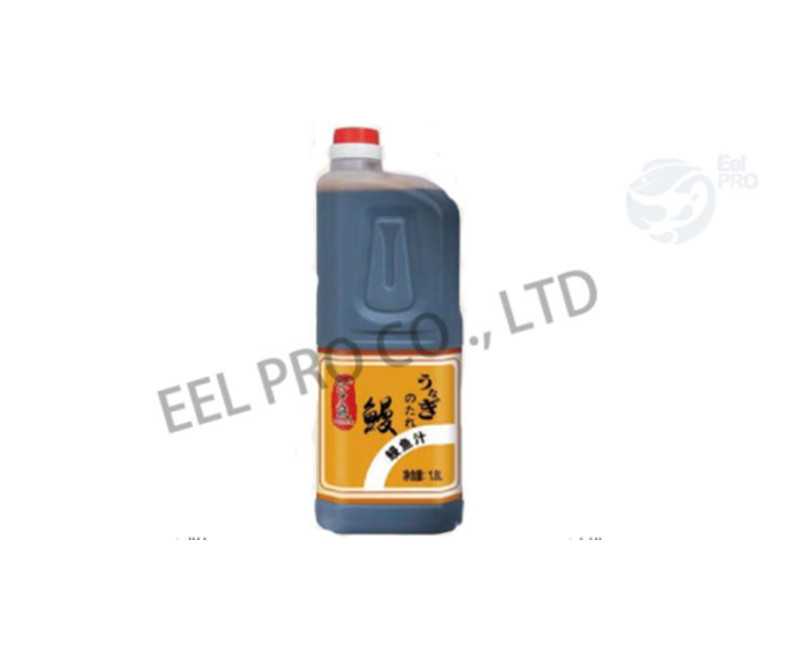
Eel Sauce (Unagi Tare) — The glaze used for kabayaki is sold separately as a concentrated liquid. Restaurants that finish shirayaki in-house or want a consistent branded sauce buy this alongside their eel. We produce bulk eel sauce for exactly this purpose — it's the same tare used on our own kabayaki line.
What makes a tare work commercially? Viscosity (must cling, not run off), sweetness-salt balance, and stability under high heat. A good tare caramelizes without burning during the final torching step. Our kabayaki sauce has been refined over years of production — the same formulation used on every fillet we ship.
Frozen Shirayaki Fillets — Smaller volume but growing. High-end Japanese and fusion restaurants want the blank canvas. Expect shorter shelf life and higher price per kilo than kabayaki.
Live or Chilled Freshwater Eels — Some markets, especially in East Asia, still prefer live eels for in-house slaughter and preparation. This supply chain is entirely different from frozen processed products, with separate logistics, certifications, and quality benchmarks.
Pre-Grilled Eel Portions for Retail — Vacuum-sealed single-portion packs for supermarket shelves. These often include a sachet of tare. Same product as foodservice kabayaki, just packaged differently and with consumer-facing labeling.
Customs paperwork and supplier spec sheets have their own quirks. You'll encounter HS codes under 1604.17 (prepared or preserved eels) for processed kabayaki, or 0301.92 for live eels. The product description on a commercial invoice might say "frozen seasoned roasted eel" — which, in practice, means kabayaki.
Common trade shorthand includes:
FKBE — Frozen Kabayaki Eel (industry abbreviation in some Asian markets)
Graded by P/KG — Pieces per kilogram. A "20P" spec means roughly 20 fillets per kilo, making each around 50g.
Sauce ratio — Kabayaki products list the percentage of tare by weight, typically 10-18%.
Glazing percentage — Relevant for block-frozen products. The ice glaze adds weight; net weight specs matter.
If a supplier's product sheet uses terms you don't recognize, ask for a spec breakdown. Reputable exporters (us included) maintain detailed technical datasheets that map trade terminology to actual product attributes. No guesswork.
The main eel dish types break into two categories: preparation-based and format-based. Preparation-based includes kabayaki (sauce-grilled) and shirayaki (plain-grilled). Format-based covers unaju (boxed rice bowl), unadon (bowled rice), hitsumabushi (Nagoya-style with condiments and broth), and various sushi applications. The product underneath is often identical; the terminology reflects how it's plated and served.
It depends on the region. Japanese restaurants abroad tend to keep the original names — unagi don, kabayaki — while Western-facing menus often translate to "grilled eel with teriyaki sauce" or similar. Some chains create proprietary names (like "Dragon Roll" for eel avocado maki). For buyers, the safest approach is to confirm the product spec rather than relying on menu names alone. A restaurant's "signature eel bowl" might just be standard kabayaki over rice with a garnish tweak.
Buyers should be fluent in kabayaki, shirayaki, unagi vs. anago, and the common trade abbreviations (P/KG, FKBE, sauce ratio). Beyond Japanese terminology, know the local eel menu terms your customers use. A distributor selling to German restaurants needs different vocabulary than one supplying sushi bars in California. Also learn to read spec sheets carefully — the gap between what a product is called and what it actually contains can be wide if the supplier isn't precise.
For kabayaki applications, frozen product often outperforms "fresh" in consistency. The freezing and vacuum-sealing locks in the glaze and fat distribution at peak quality. Most sushi bars and unagi specialty restaurants globally use frozen kabayaki — even in Japan, where a significant portion of eel served comes from frozen stock. The key variable is the quality of the original processing and the freezing method, not the fact of freezing itself.
Not directly. Shirayaki lacks the sweet glaze that defines kabayaki, so substituting it into a standard unagi don will produce a noticeably plainer result. However, kitchens that prefer custom sauces often buy shirayaki and finish with their own tare or seasoning blend. The product formats are interchangeable structurally — same fillet shape, same grilling — but the flavor profile shifts completely.
We've been exporting frozen unagi kabayaki long enough to know one thing for certain: clear terminology saves money. When a buyer says "eel fillet" without specifying kabayaki or shirayaki, the order often goes sideways. When a menu lists "unagi" but the kitchen uses anago, customers notice the difference in texture.
This is exactly why we keep our product line straightforward — unagi kabayaki, eel sauce, and whole frozen freshwater eels. Each product maps clearly to specific eel dish formats that kitchens around the world use every day.
Need to match a product to a specific menu item? Curious about fillet sizing for your rice bowl program? Browse our eel recipes and product guides for more detail — or reach out directly with your spec requirements. We'd rather spend ten minutes clarifying terminology now than have you receive the wrong product later.

 WhatsApp
 sales@chinaeels.com
 +8619937922411