





A frozen delivery arrives, the cartons look nearly identical, yet the nutrition panels may tell very different stories. One unagi fillet may be lightly seasoned, while another carries a generous layer of sweet and salty kabayaki sauce. For importers, distributors, and foodservice buyers, understanding the unagi nutrition label helps avoid costly comparisons based on mismatched serving sizes, product conditions, or preparation methods.
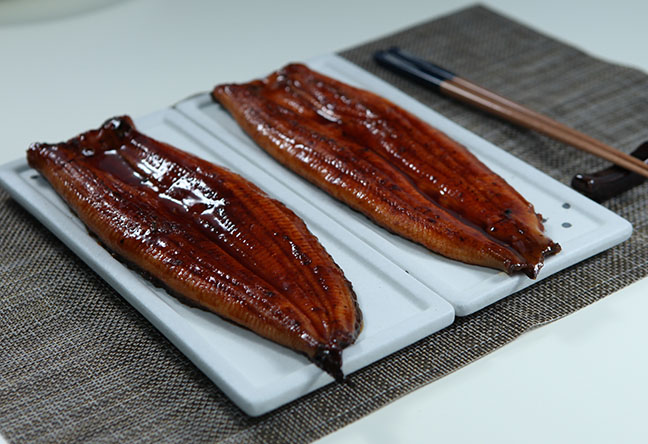
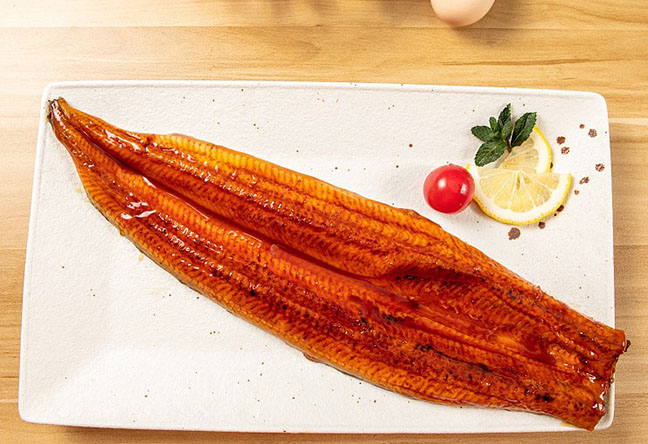
Unagi is freshwater eel, commonly prepared as unagi kabayaki: grilled eel brushed with tare sauce. It is rich, flavorful, and versatile in restaurant kitchens, where it can be served over rice, added to sushi rolls, or featured in bento boxes. But buyers need more than an appealing product description. The nutrition panel, product specification, ingredient list, and storage instructions should all align.
A household shopper may only check calories and protein for one meal. Commercial buyers have a longer list of questions:
Is the declared serving based on eel alone or eel with sauce?
Does the panel describe the product frozen, thawed, cooked, or ready to serve?
How much sodium or added sugar comes from the tare?
Are the values stated per 100 grams, per package, or per portion?
Do the label and technical specification match the actual pack format?
Will restaurant preparation change the final nutrition information?
These details influence menu claims, allergen reviews, recipe costing, and customer communication. A restaurant serving 80-gram eel rice bowls needs a different calculation from a distributor selling 250-gram retail packs.
The most reliable comparison begins with a common basis: nutrition per 100 grams. From there, calculate the portion actually served. This approach makes it easier to compare whole eel fillets, sliced kabayaki, and sauce-coated products from different suppliers.
Exact values vary by species, size, fat content, trimming, cooking method, sauce coverage, and laboratory testing method. A label or specification sheet should always be treated as the reference for that specific product, rather than replaced with data from a generic online database. Even so, the main nutrient categories offer a useful starting point.
Eel provides complete animal protein, making it well suited to rice bowls, noodle dishes, sushi, and prepared meals. A typical cooked eel product may provide roughly 18–25 grams of protein per 100 grams, although the declared amount can differ by product.
For foodservice planning, review protein alongside serving weight. A 60-gram eel topping and a 100-gram fillet cannot be compared using only a front-of-pack protein claim. Confirm whether the listed serving includes sauce, glaze, or garnish.
Unagi is naturally richer than very lean fish. Its fat contributes to the soft texture and full flavor that stand out after grilling. A product may contain approximately 15–25 grams of fat per 100 grams, though farming conditions, season, eel size, and processing can move the result outside that range.
Calories increase when sweet sauce is included or when the product is finished with extra oil. For menu planning, use the supplier’s stated energy value for the finished product. A raw eel figure should not be copied onto a ready-to-eat kabayaki item.
Eel can contribute omega-3 fatty acids, vitamin A, vitamin B12, vitamin D, and minerals such as phosphorus and selenium. Whether those nutrients appear on the final panel depends on labeling rules in the destination market and the thresholds required for declaration.
For buyers, the practical question is not simply, “Does eel contain vitamin B12?” It is, “Is vitamin B12 declared for this exact SKU in the market where it will be sold?” Request the product specification and, when needed, a laboratory report.
Plain eel and sauced kabayaki can have very different carbohydrate and sodium figures. Eel itself contains little carbohydrate, while tare may include soy sauce, sugar, starch, mirin-style seasoning, or other ingredients. A thick glaze can make the nutrition panel resemble that of a seasoned prepared food rather than plain seafood.
Compare sodium per 100 grams, then calculate the amount added by the actual sauce portion. If a restaurant brushes on another layer of tare during reheating, the finished dish may contain more sodium and sugar than the frozen product panel indicates.
When buyers ask how to read an unagi nutrition label, start with the heading above the nutrition table. Identify the product condition first. It may state frozen, cooked, grilled, seasoned, or ready to eat. Those terms provide context for every figure that follows.
Serving size is often where comparisons go wrong. A label may state values per 100 grams, per 85 grams, or per package. A foodservice carton may contain several individually wrapped portions, while a retail pouch may be treated as one serving.
For purchasing decisions, record three figures:
Declared serving size.
Net weight of the pack.
Expected portion served to the customer.
For example, if the panel lists 220 calories per 100 grams and your restaurant serves 75 grams of eel, that eel portion contributes about 165 calories before rice, extra sauce, or toppings are added. It is a simple calculation, but it helps chefs keep menus consistent.
Check whether sauce is included in the finished product. Some items are packed with sauce in the same pouch, while others contain glazed eel without a separate sachet. Ask the supplier for the finished-product specification and, when available, the sauce specification as well.
For a plain grilled eel fillet, carbohydrate may be very low. With kabayaki, sugar and sodium can rise because of the tare. That is not a quality issue in itself; it is a formulation and menu-planning consideration.
The ingredient list often explains the nutrition panel. Soy sauce can indicate soy allergen information and higher sodium. Wheat-containing seasoning may affect allergen declarations in some markets. Sugar, glucose syrup, starch, and flavoring can explain why two products that look similar in the freezer have noticeably different nutrition values.
Always verify the rules in the destination country. Label formats and allergen requirements differ by market. Depending on the local authority, eel products may also require statements related to fish or seafood allergen regulations.
A retail label is not the only document a commercial buyer needs. The technical data sheet should identify the species or product description, net weight, glaze information where applicable, storage temperature, shelf life, packaging, and preparation instructions.
For frozen shipments, confirm the storage condition at -18°C or below when that is the agreed specification. Maintain a stable cold chain from factory to warehouse. Temperature abuse can affect texture and drip loss, even if the nutrition numbers remain unchanged on paper.
The label describes the eel product. Customers, however, eat a complete dish. That difference matters.
A classic unadon bowl may include eel, white rice, tare, pickled ginger, and sometimes sansho pepper. A sushi roll may add rice, nori, cucumber, and mayonnaise. Eel noodle soup can include broth, vegetables, noodles, and a smaller eel portion. Each dish has a different balance of energy, sodium, and carbohydrates.
For meal development, calculate the eel separately from the other ingredients. A useful restaurant worksheet might include:
Frozen eel portion: 70 grams.
Cooked rice: 180 grams.
Additional tare: 8 grams.
Garnish: nori, scallion, and sesame.
That method gives chefs a clearer picture than copying nutrition information from the full pouch. It also helps when portion sizes change between a lunch menu and a premium dinner set.
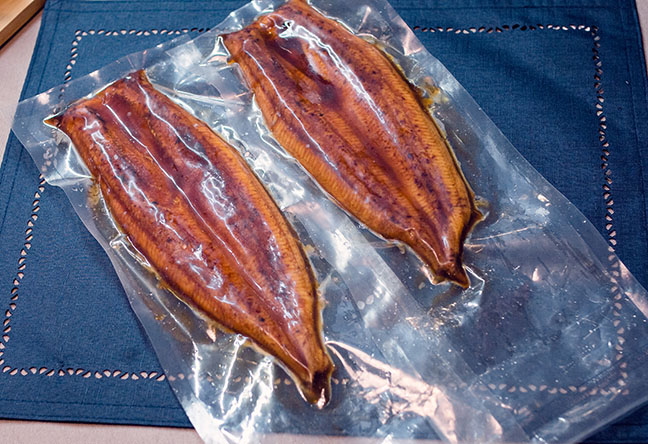
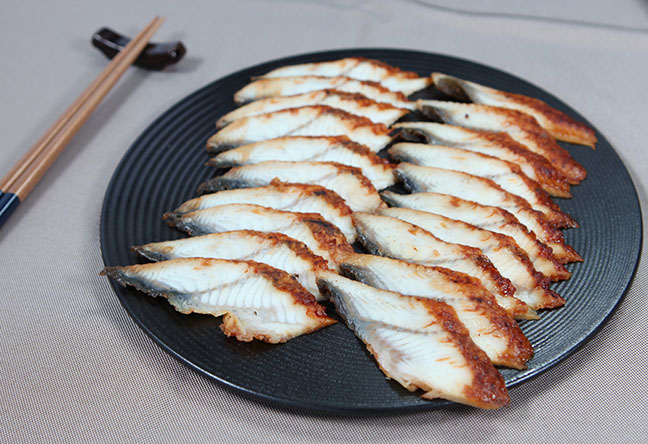
frozen unagi kabayaki can be a practical starting point for portion-controlled foodservice menus. The fillets work well in rice bowls, as sushi toppings, in bento meals, and for quick hot-line service.
Buyers often ask how do unagi nutrition facts vary by preparation. The short answer is that the eel itself changes less than the ingredients around it and the way it is cooked.
Raw freshwater eel is not normally served directly to consumers. It must be handled and cooked according to food safety requirements. A raw specification may show different water content and nutrient concentration from a grilled product.
Grilling can reduce moisture. As water is lost, nutrients become more concentrated by weight. Fat may also drip away, depending on the grilling method. A raw 100-gram value should not be assumed to match a cooked 100-gram serving.
Kabayaki is generally grilled, brushed with sauce, and grilled again. This process creates the glossy finish and deep savory-sweet flavor associated with the dish. The sauce adds ingredients that may increase carbohydrate and sodium. If the product is reheated with another glaze, the final dish changes again.
For a closer look at flavor and sauce use, read this guide to kabayaki sauce. It is particularly useful for buyers planning to pair eel with a house tare or a separate sauce sachet.
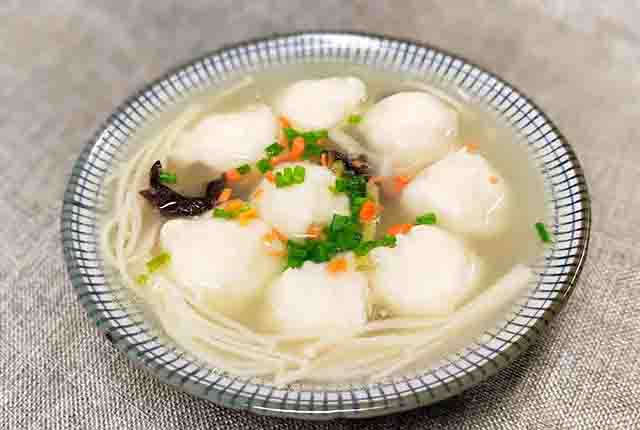
In eel noodle soup, the fish may be a smaller part of the bowl, while the broth accounts for much of the sodium. A practical recipe reference is eel noodle soup. When costing the dish, calculate the eel, noodles, broth, and toppings separately.
Nutrition information is only one part of a commercial purchase. Before approving a shipment, request frozen unagi specifications that allow your team to compare products on equal terms.
Product name and freshwater eel species or description.
Whole fillet, cut fillet, portion, or other format.
Net weight and glaze percentage, if used.
Piece count or size range, such as 100–120 grams per piece.
Cooking status: raw, grilled, seasoned, or ready to heat.
Ingredients and allergen statement.
Nutrition values per 100 grams and per serving.
Storage requirement, commonly -18°C or below.
Shelf life, carton dimensions, and packing method.
Preparation instructions, including heating time and temperature.
Piece-size consistency is important in foodservice. If one carton contains fillets ranging from 70 to 150 grams, portion control becomes more difficult. Ask whether the stated weight refers to individual piece weight, average weight, or total net weight after glazing.
Also confirm whether the nutrition data includes the glaze. A product with a high ice-glaze percentage may look inexpensive by carton weight but provide less eel per serving. The commercial comparison should use edible eel weight, not only gross package weight.
In Japan, unagi is closely associated with summer meals, especially dishes such as unadon and unajyu. Frozen kabayaki, however, makes eel practical throughout the year. A distributor can offer it for lunch boxes, sushi counters, Asian grocery freezer sections, and premium ready meals without requiring customers to prepare raw eel from scratch.
Do not compare “raw eel per 100 grams” with “sauced cooked eel per serving” and assume the lower number represents better value. First match the product condition, serving basis, sauce inclusion, and edible weight.
Another common mistake is treating “no added sugar” as “sugar-free.” Natural ingredients and other seasonings may still contribute carbohydrates. Read the ingredient list and nutrition table together.
A clear supplier conversation saves time later. Request a current specification rather than relying on an old label image, and confirm that the data applies to the exact pack size and destination market.
Useful questions include:
Are nutrition values based on the product frozen, thawed, or heated?
Does the serving include tare sauce?
What is the glaze percentage?
What piece-weight range can you maintain?
Can you provide allergen, ingredient, and storage documentation?
What reheating method gives the best texture?
Can the packaging or label be adapted for the importing country?
Eelpro Co., LTD supplies frozen unagi kabayaki, eel sauce, freshwater eels, and other frozen seafood for overseas buyers. For sauce options, review the eel sauce product page and compare the sauce format with your intended menu.
Start by checking the product condition and serving size. Then review calories, protein, fat, carbohydrates, sodium, and any declared vitamins or minerals. Confirm whether the label includes tare sauce, glaze, or other seasoning. For commercial comparison, convert every product to a common basis, preferably per 100 grams, then calculate the actual portion served.
Most nutrition panels list energy, protein, total fat, saturated fat where required, carbohydrate, sugars where required, and sodium or salt. Some products also list omega-3 fatty acids, vitamin A, vitamin B12, vitamin D, phosphorus, or selenium. Declared nutrients depend on the formulation, laboratory results, and regulations in the destination market.
Raw, grilled, sauced, and reheated eel can show different values per 100 grams because cooking changes moisture and, in some cases, fat content. Kabayaki sauce may add sugar, carbohydrates, and sodium. Extra tare, rice, noodles, broth, or mayonnaise changes the nutrition of the final dish, so use the product label for the eel and calculate the complete recipe separately.
Freezing itself does not normally remove the main nutrients from eel. Differences usually come from product condition: raw versus cooked, plain versus sauced, or varying moisture loss during grilling. Review the exact specification rather than judging a product by the word “frozen” alone.
A sound unagi nutrition review connects the label with serving size, sauce, preparation, edible weight, and cold-chain requirements. For importers and foodservice buyers, that information supports more accurate menu costing, clearer customer communication, and consistent purchasing decisions.
Need frozen unagi kabayaki, eel sauce, or freshwater eel for your market? Contact Eelpro Co., LTD to discuss pack sizes, product specifications, and export requirements. Then share your preferred serving style—unadon, sushi, bento, or noodle soup—in the comments and explore more unagi kabayaki options.



 WhatsApp
 sales@chinaeels.com
 +8619937922411