





Your unagi is served. Do you know how to eat it without embarrassing yourself?
Sitting at a traditional unagi-ya, the steam rising from a box of grilled eel over rice is pure anticipation. But Japanese eel etiquette isn't just about flavors—it's a set of unspoken rules passed down through generations. At Eelpro, we supply frozen unagi kabayaki and eel sauce (unagi tare) to global buyers, and we see how cultural knowledge transforms a simple fillet into a memorable meal.
Japanese eel culture stretches back to the Edo period, when grilled eel became a beloved street food. Street vendors skewered freshwater eel, basted it with a soy-mirin glaze, and cooked it over charcoal. The result was quick, filling, and packed with protein—exactly what busy laborers needed. Over time, that street snack evolved into a high-end dining experience. A piece of eel can cost 3,000 to 8,000 yen today, depending on the restaurant.
Every midsummer, Japan observes Doyo no Ushi no Hi—the Day of the Ox. Tradition says eating unagi on this day helps you withstand the sweltering heat. The idea goes back to a clever marketing move in the 18th century: a scholar suggested that eating “u” foods (like unagi) on Doyo no Ushi would bring good health. People embraced the custom, and now entire supermarkets dedicate coolers to pre-grilled eel on that day. The belief isn’t just folklore; unagi packs 270 calories and 18 grams of protein per 100 grams, giving a genuine energy boost.
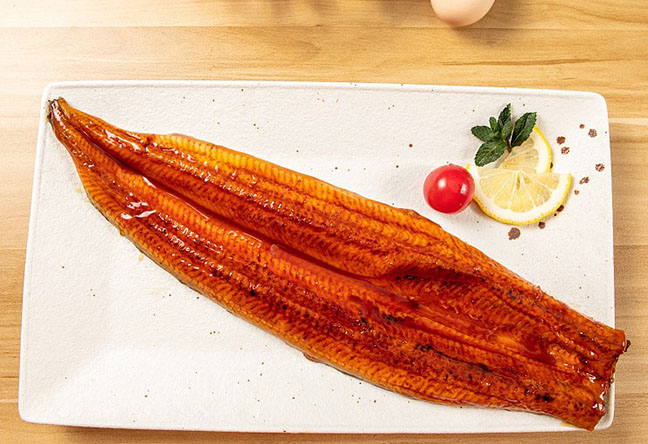
Don’t confuse unagi (freshwater eel) with anago (saltwater eel). Unagi has a richer, fattier mouthfeel, while anago is lighter and flakier. Unagi is almost always prepared kabayaki style—split, butterflied, grilled, steamed, and glazed. Anago is usually simmered and served as sushi. This article focuses on unagi and its etiquette.
Unagi serving traditions follow a clear script. Walk into a specialist unagi restaurant and you won’t get a menu filled with options. You’ll choose the size: “unaju” (eel on rice in a lacquer box) or “unadon” (the same dish in a bowl). The boxed version signals a more formal meal. The set comes with a bowl of clear soup, often kimosui—a light broth floating a single eel liver and some mitsuba leaf. Pickles called “oshinko” sit on a tiny plate, a palate cleanser.
The lacquered box opens to reveal a slab of glistening eel over pristine white rice. The ideal temperature for serving unaju is around 40°C (104°F). The eel should still be warm but not scalding, so the skin stays crisp while the flesh stays tender. Rice is slightly cooler, so the contrast plays nicely on your tongue. A small pitcher of extra eel sauce might appear, but many top chefs prefer you leave it untouched. They’ve already layered the sweet-savory glaze to perfection.
Japan’s two main unagi styles come from the Kanto and Kansai regions. In Kanto (Tokyo area), the eel is split down the back, skewered, grilled, steamed until fluffy, then grilled again with sauce. The steam step softens the flesh and melts fat. In Kansai (Osaka area), cooks split the eel from the belly and grill it entirely over charcoal—no steaming. This yields a crispier skin and firmer bite. Most frozen unagi kabayaki sold overseas follows the Kanto approach because the steaming ensures the eel retains moisture when reheated.
Unagi dining customs aren’t stuffy, but they do reward attention. You pick up the box or bowl with one hand. Chopsticks in the other. The rice beneath the eel has already absorbed some sauce, so mixing it into a uniform mess is considered a mistake. Never stir the rice. Instead, cut a small piece of eel, place it over a mouthful of rice, and eat them together. Alternate with a sip of soup. The pickles come between bites to reset your palate.
A common pitfall: Don’t drown your eel in extra sauce. The chef’s kabayaki sauce is balanced to highlight the eel’s natural richness. Pouring more can throw off the whole dish. At Eelpro, we’ve seen how even a slight misuse of tare can turn a luxurious experience into something cloying.
Cold knowledge: In many traditional unagiya, a small dish of deep-fried eel bones (hone senbei) arrives before the main course. These crunchy, calcium-packed nibbles are a waste-nothing approach rooted in centuries of resourcefulness. If you spot them, eat them with your fingers—chopsticks aren’t required.
Eel meal etiquette extends beyond the unaju box. In Nagoya, the city famous for hitsumabushi, you get a different playbook. The eel is chopped and served over rice in a wooden tub. You divide it into four portions. First quarter: eat as is. Second: add condiments like nori, wasabi, and green onion. Third: pour a light dashi broth over the rice and eel to make a comforting ochazuke. The final quarter? Pick your favorite style. It’s interactive and encourages you to experience unagi in multiple dimensions.
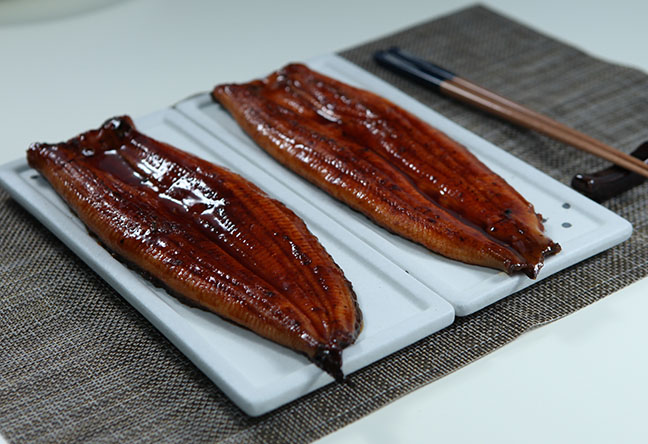
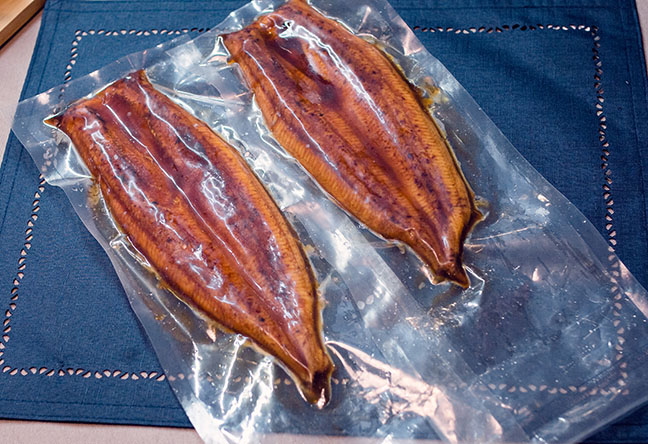
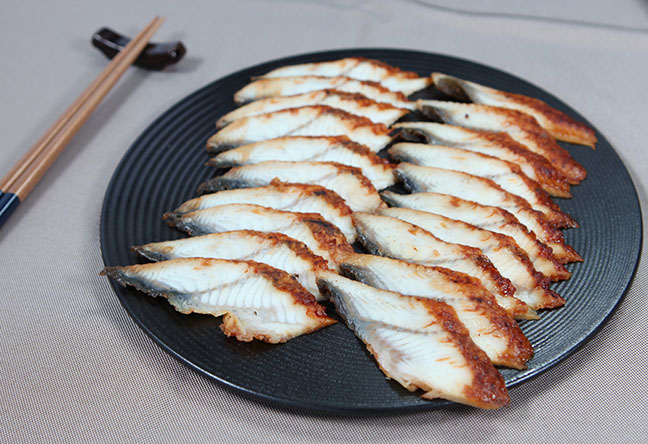
If you’re serving frozen unagi kabayaki at home, the same principles apply. Warm the eel gently—a 150°C (300°F) oven for 8–10 minutes works well, or a quick pass under the broiler to re-crisp the skin. Plate it over freshly steamed rice. Offer a bowl of clear soup and a single pickled cucumber. Your guests will feel the ritual.
One more nuance: finishing the meal with green tea, not coffee, keeps the aftertaste clean. The slight bitterness of the tea cuts the oiliness, a trick chefs rely on.

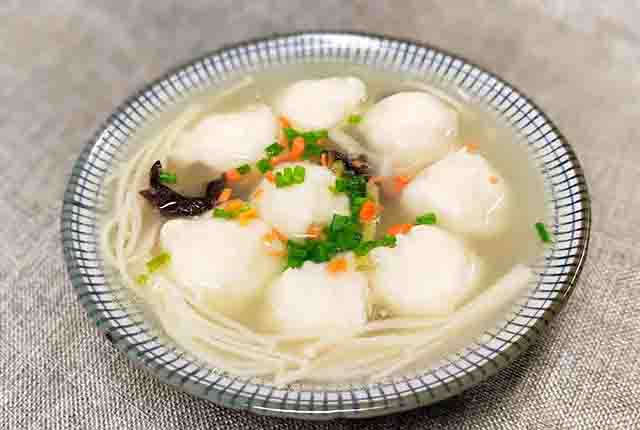
For a different spin, unagi also shines in noodle dishes. A steaming eel noodle soup can be a comforting twist on ramen, layering delicate unagi slices in a clear broth with somen or udon. It’s a lighter way to appreciate eel’s texture.
Japanese eel is most famously served as unaju or unadon—grilled unagi fillets glazed with tare and placed over rice in a lacquered box or bowl. The set includes clear soup (often liver soup) and pickles. In Nagoya, hitsumabushi offers a three-way eating style with condiments and broth. The eel is always cooked kabayaki style: butterflied, skewered, dipped in sauce, and grilled over charcoal.
Hold the box with one hand, use chopsticks to eat small pieces of eel with rice. Don’t mix the rice or pour extra sauce over the whole dish. Alternate bites with sips of soup and pickles to refresh the palate. If served hitsumabushi, follow the four-portion method: plain, with condiments, as ochazuke, then your favorite. Savor the texture contrasts and avoid rushing.
Eel is eaten during summer to combat fatigue. The custom of Doyo no Ushi no Hi (Day of the Ox) dates back to the Edo period. Unagi is calorie-dense, rich in protein, vitamins A and B, and minerals—qualities believed to provide stamina in oppressive heat. This tradition became so ingrained that July unagi sales often spike to three times the normal volume.
Japanese eel etiquette turns a simple meal into a quiet celebration of craftsmanship. Every gesture, from lifting the lacquered lid to that last sip of tea, respects the chef’s work and the ingredient’s quality. If you’re a restaurant buyer or importer, understanding these nuances helps you sell more than a product—you offer a story. Eelpro Co., LTD provides frozen unagi kabayaki and eel sauce (unagi tare) that meet the highest standards, ready to be served in traditional unaju sets or inventive menus. Explore our range and give your customers the authentic unagi experience they’ll remember.



 WhatsApp
 sales@chinaeels.com
 +8619937922411