





Picture this: a busy Saturday night, order tickets piling up. Your grill cook reaches for another pack of frozen unagi. But is your menu really optimized for this premium ingredient? Many kitchens treat it as just another protein. That’s a mistake—and it’s costing you money.
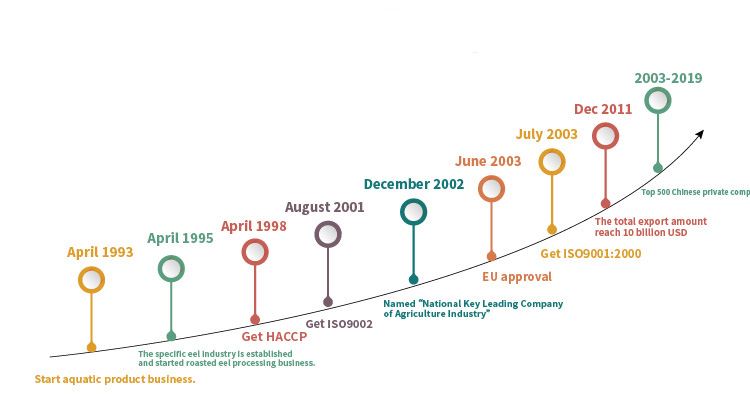
I’ve walked into too many restaurant kitchens where frozen unagi gets zero menu-planning respect. It arrives pre‑glazed, often with a perfect tare sachet, and yet it gets slapped onto a bowl or a plate without a second thought. Not here. We’re going to break down exactly how to turn every pack into more plates, better margins, and a streamlined service flow. If you’re serious about unagi foodservice planning, this is the stuff that separates a chaotic line from a tight, profitable operation.
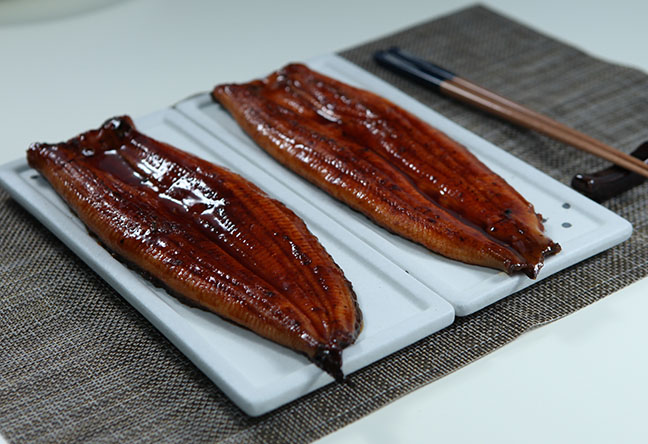
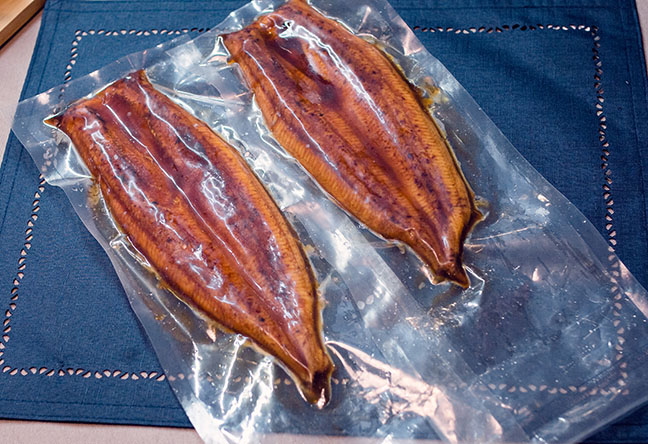
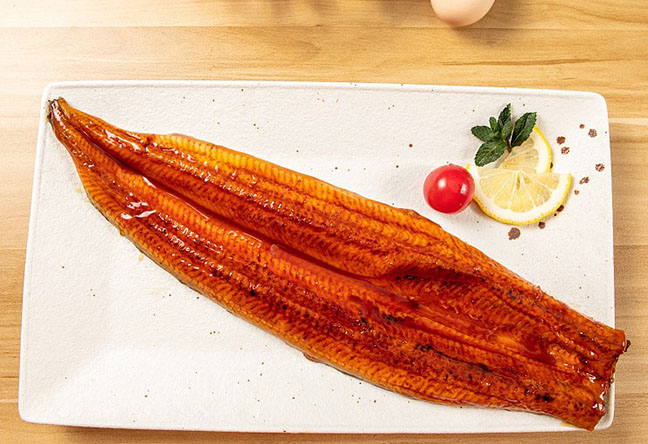
Fresh seafood is unpredictable. Frozen isn’t. When you buy unagi kabayaki frozen, you lock in a consistent size, weight, and glaze coverage. That’s gold for menu development. You can finally build a dish costing sheet that doesn’t make your accountant wince. But to do that, you need to think differently. This isn’t a commodity fish fillet. Each vacuum‑sealed pack is a 110g to 130g unit of pre‑seasoned eel that’s already cooked. Your job is to stop thinking “how do I cook it” and start thinking “how do I portion it across multiple menu formats.”
In my experience, too many chefs fixate on the “Japanese donburi” box and stop there. That’s leaving money on the pass. Frozen unagi can criss‑cross appetizers, soups, hand rolls, even brunch specials—if you plan the frozen unagi portions right.
Let’s get brutally practical. One standard pack of frozen eel from Eelpro weighs about 120g (glaze included). After a quick reheat—oven, salamander, or torch—you’ll lose 3–5g in moisture. The usable meat is still 115g. Now, what does that buy you?
Donburi bowl: 1 full pack, sliced into 6–8 pieces, over 180g of rice. Your signature eel rice bowl just became a repeat order.
Sushi roll (unakyu maki): A single pack can fill 3–4 full rolls. That’s 24–32 pieces. Your eel sushi roll cost per piece drops dramatically.
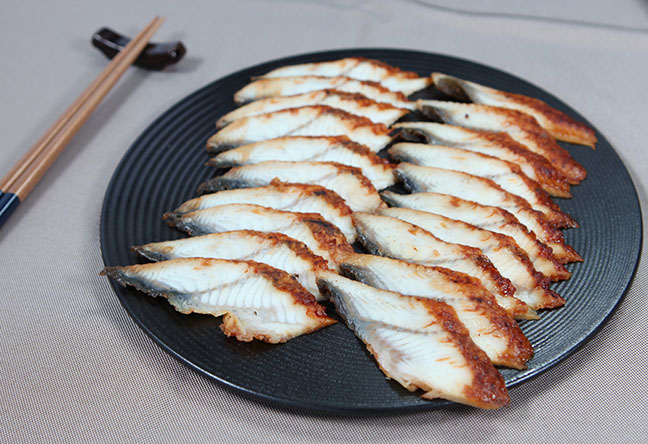
Tasting‑plate starter: Cut that same pack into 8 small skewer‑sized strips, glaze with extra tare, serve on a rectangular plate with pickled ginger. Now you have a $14–$16 appetizer from a protein that cost you roughly $4.50.
Here’s the portion‑planning trick most people miss: don’t use half a pack. Once thawed, leftover kabayaki loses its sheen and dries out. Plan each service period around using complete packs. For a 50‑cover night, pre‑count exactly how many packs you’ll need per menu item. No partial cuts. No waste. That’s the core of frozen unagi portions discipline.
When folks talk about frozen eel yield, they usually mean “how much meat do I get after heating.” That’s just the surface. The real yield is in what else you can use from that pack. Eelpro’s kabayaki comes with a separate tare sachet inside the box. Most kitchens chuck it. Big mistake.
That tare is a concentrated, umami‑bomb glaze—thicker and richer than what’s already on the eel. At one gastro‑pub I consulted for, we collected those sachets over two weeks, then simmered them with a splash of mirin and dashi to create a signature “double‑eel” dipping sauce for crispy eel tempura bites. One $0.15 sachet became the backbone of a dish that sold out nightly. That’s yield thinking.
Even the eel skin—often left on the tray liner—can be repurposed. Deep‑fry it for 90 seconds at 180°C and you get a crunchy garnish that rivals bacon bits. Sprinkle it on a unagi ramen or a creamy chawanmushi. Suddenly, your “yield” isn’t just cooked weight—it’s the number of unique dishes you pull from one product.
Most restaurants default to the unadon. Respectable, but predictable. Unagi menu development works best when you give people multiple ways to encounter the ingredient—low‑commitment small plates, shareable signatures, and one “indulgent” anchor. Here’s a format matrix that works across casual, fast‑fine, and heavy‑traffic dining:
Slice each pack into 4 equal strips, brush with extra tare from the sachet, and torch–finish to order. Serve two per plate with a yuzu‑kosho aioli. Food cost? Under 30%. Perceived value? Pure luxury. This format thrives in izakaya‑style spots and gastropubs.
Offer a base bowl of seasoned rice, then let guests add proteins. Pre‑portion frozen unagi into 80g cuts (two strips), flash‑grill, and place in a heated chafing dish. Combine with toppings from our donburi ideas page—pickled radish, avocado, onsen egg, nori. Customization drives up average check size.
Crumbled, torched kabayaki mixed with spicy mayo and cucumber, wrapped in half‑sheets of nori. One pack fills 6 hand rolls. For a lunch rush, this is a speed demon. Pair it with our eel sauce drizzled on top—and suddenly you’ve got a $12 item that costs $2.10 to plate.
Flake the heated eel, fold it into cream cheese, sour cream, and a touch of smoked paprika. Serve with wonton chips. This pulls from our smoked unagi approach but applies it to a shareable appetizer. Non‑traditional, but it moves 20+ orders a night in one Midwestern test kitchen I know.
Eel sauce—unagi tare—is not just a finishing glaze. In foodservice, it’s a margin multiplier. A little ladle of warmed tare turns a simple side of steamed bok choy into something worth $5. Toss roasted potatoes in tare and sriracha. Brush it on grilled corn. Our kabayaki sauce recipe guide details how to fix common flavor mistakes, but at scale, using the pre‑made tare from Eelpro’s packs slashes prep time. A thin drizzle adds depth to a vinaigrette. A thicker reduction anchors a burger sauce. The bottle cost is negligible, the flavor impact is massive.
You know what breaks the bank? Over‑portioning. It’s easy to let a line cook grab a whole pack when a 90g portion would have sufficed. But the real danger zone is the “just‑because” add‑on: “let me throw an extra strip on top.” That single act can eat 22% of your intended protein margin per dish. Lock your frozen unagi portions with a scale and a photo spec sheet posted right above the station. In high‑volume kitchens, I’ve seen pre‑weighed, vacuum‑sealed sub‑portions (done in‑house from thawed packs) cut waste to near zero. It takes 15 minutes of prep time and saves hundreds a month.
Start with a single dish costing template. Use the 115g usable yield per pack as your base. Decide how many strips or chunks you need per serving. For bowls, 1 pack = 1 serving. For rolls, 1 pack = 3–4 rolls. For appetizers, 1 pack = 6–8 small bites. Pre‑count packs needed per service, never open partials, and use tare sachets to boost perceived value without adding protein cost.
A 120g pack of frozen kabayaki typically yields 115g of heated meat, plus a sachet of tare that can flavor 2–3 additional servings of vegetables or rice. If you upcycle the skin (deep‑fried), you gain a garnish. Realistically, the total usable output—meat, sauce, skin—can extend to flavor or accent 4–5 plates beyond the main protein serving. That pushes your effective yield past 100% of the pack weight.
Formats that need quick, consistent protein with a sweet‑savory profile work best: donburi bowls, sushi rolls, skewered appetizers, hand rolls, and brunch hashes. Also, fusion applications like unagi tacos or unagi‑topped burgers where you can crumble or slice the eel. The pre‑seasoned nature of kabayaki means less sauce work during service—a huge win for speed. Pair with crisp, acidic sides (pickles, citrus) to balance the richness.
We’ve covered the numbers, the formats, and the sneaky yield hacks. The bottom line: frozen unagi isn’t a specialty ingredient you use once a month. It’s a versatile workhorse that, with the right menu planning, anchors multiple profit centers. At Eelpro, our frozen unagi kabayaki ships with that extra tare sachet because we know exactly how much value it brings to a working kitchen. Want to taste‑test a few packs? Start with a small shipment, run the skewer‑and‑sauce experiment we talked about, and watch how quickly it moves.
Think your team could pull a 6‑point margin lift just by re‑thinking eel? I’d bet on it. Drop a comment below with your biggest frozen unagi challenge—or, if you’re ready to scale, explore our eel sauce and seafood specs. One pack can change your P&L. That’s not hype. That’s just proper foodservice math.


 WhatsApp
 sales@chinaeels.com
 +8619937922411