





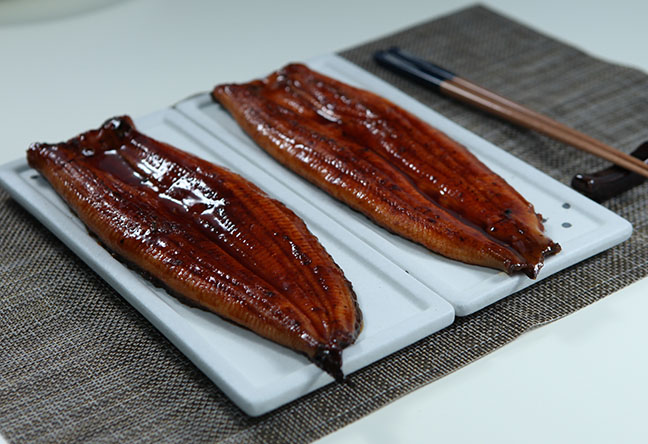
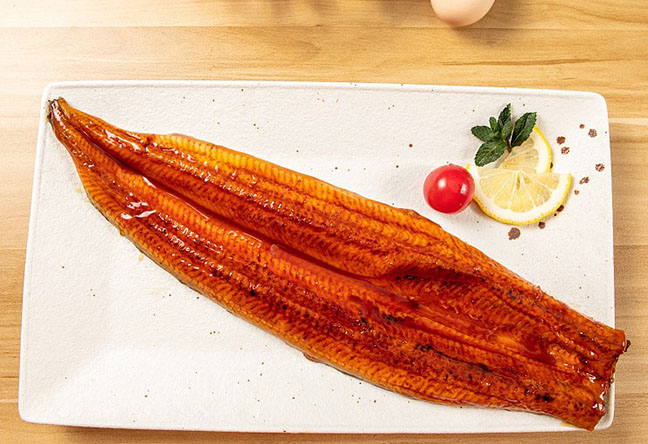
What is eel sauce? It’s the glossy, amber-brown glaze that glistens on top of perfectly grilled unagi. One bite of that caramelized, savory-sweet coating and you’re hooked. We’ve worked with thousands of chefs who tell us it’s the sauce they never knew they needed, until they tasted it on a piece of our frozen unagi kabayaki. Then it becomes a pantry staple.

Unagi tare—the Japanese name for eel sauce—isn’t fishy at all. That’s the first surprise. The base is a slow-simmered blend of soy sauce, mirin, sugar, and sometimes sake. When brushed over grilled eel, it reduces into a sticky, umami-packed lacquer. In Japan, eel houses often keep a “master tare” for years, adding fresh ingredients to the pot daily. The depth of flavor grows with each use.
Because the sauce contains no eel extract, it’s a vegan-friendly glaze despite the name. That tidbit often shocks first-time tasters. But it makes sense once you know the real story: the sauce was developed specifically to complement freshwater eel, not to be made from it. We’ll cover that more in the FAQ.
Nailing the eel sauce flavor is a balancing act. Too sweet and it cloys. Too salty and it flattens the richness of the dish. The best versions, including our own eel sauce, land right in the middle.
Imagine the first taste of teriyaki, but darker and more intense. A mellow sweetness hits your tongue first—molasses-like, but cleaner. Then a wave of saltiness rolls in, followed by a gentle alcoholic warmth from mirin. The finish is pure umami, the kind that makes you reach for another bite of rice even without the fish. There’s no heat, no spice. Just a rounded, lingering savoriness that ties everything together.
We’ve seen home cooks pour it over roasted vegetables and watch their kids clean the plate. It’s that magnetic. The sauce thickens when heated, so a little goes a long way. Exactly what a busy kitchen needs.
Japanese eel glaze isn’t just for eel. Once you shake off the name, a world of possibilities opens up.
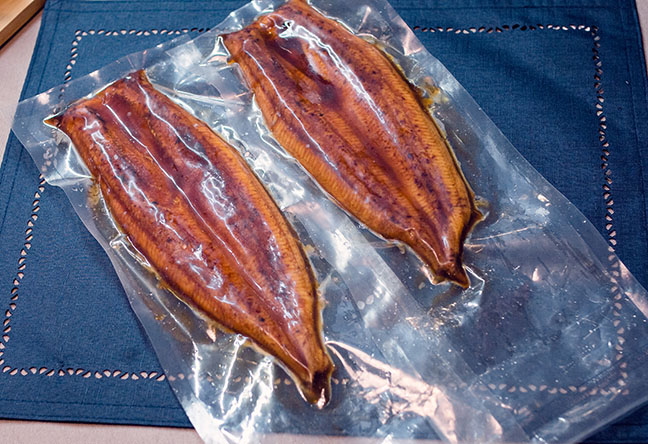
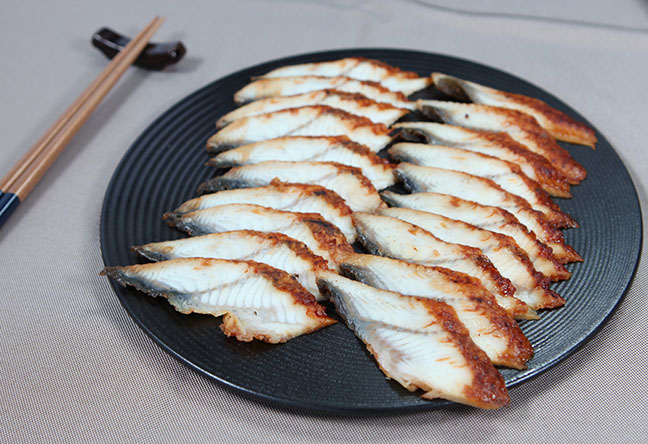
The obvious match: grilled unagi. A fillet of our frozen unagi kabayaki, warmed in the oven at 200°C (400°F) for 8-10 minutes, then brushed with a final coat of sauce, is the gold standard. The sticky glaze caramelizes on the skin and seeps into the fluffy rice below. It’s the basis of unadon, the classic eel rice bowl.
But don’t stop there. Here are other pairings we swear by:
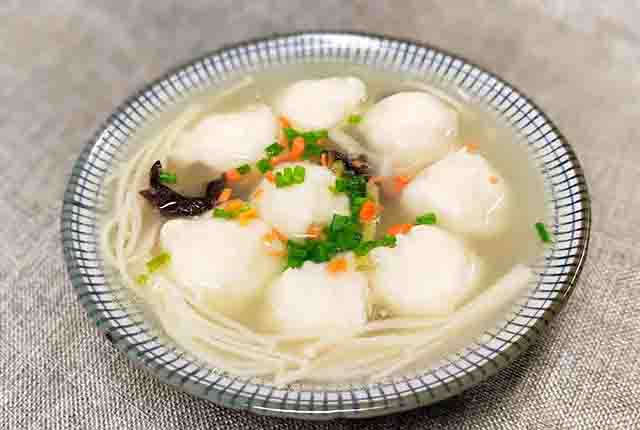
When our foodservice clients ask for inspiration, we point them to our eel recipes for more ideas. The noodle soup version, in particular, uses the sauce to create a broth that’s both delicate and hearty.
The supermarket aisle can be a minefield. Some bottles labeled “eel sauce” are little more than corn syrup with caramel coloring. Here’s a quick 避坑指南 (pitfall-avoidance guide):
Check the ingredient list. Real unagi sauce should list soy sauce, sugar, and mirin as the first three ingredients. If you see “high fructose corn syrup” at the top, walk away. The texture will be gluey, and the sweetness will be one-dimensional. A true unagi sauce has a glossy flow, not a syrupy glob.
We’ve heard from a ramen shop owner in Berlin who switched to our recipe after his previous supplier’s sauce turned grainy on the grill. That graininess is a dead giveaway of cheap thickeners. Our production team simmers the sauce in small batches, so it stays smooth and never breaks, even when reheated multiple times.

No. The name comes from its traditional use as a glaze for grilled eel, not from eel extract. It’s entirely plant-based, made from soy sauce, mirin, and sugar. That’s why it works so well across vegan and vegetarian menus.
It’s sweet, salty, and deeply savory with a subtle alcohol note from mirin. The consistency is syrupy, and it caramelizes beautifully under heat. Think of it as a richer, more complex teriyaki.
Grilled eel is the classic, but it also shines on rice balls, roasted vegetables, pork, eggplant, omelettes, and noodle dishes. Its umami character makes it a versatile finishing glaze for almost anything that hits a hot grill or pan.
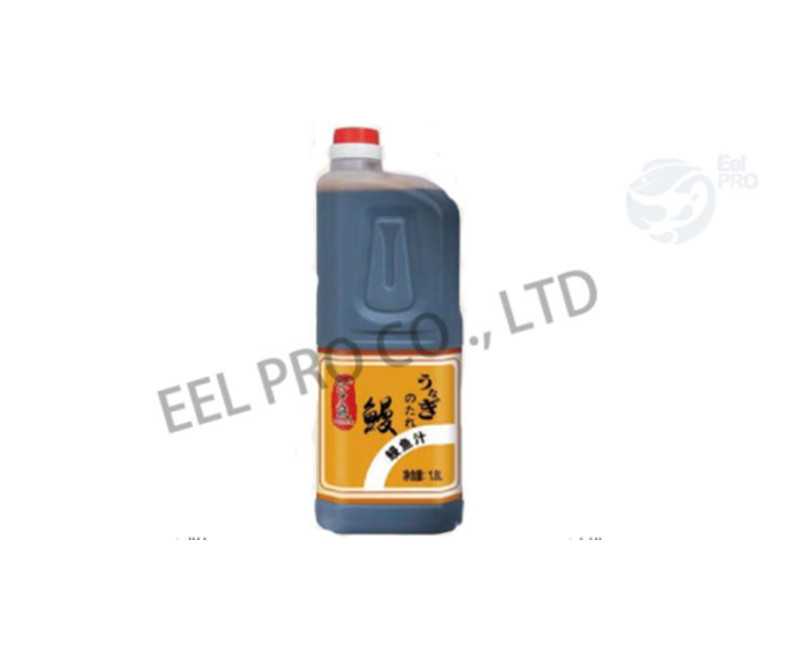
Whether you’re running a restaurant or simply love bold, layered tastes, knowing what is eel sauce opens up a new palette. A bottle of real unagi tare lets you recreate that street-side unagi stall experience without the jet lag. At Eelpro Co., LTD, we ship our frozen unagi kabayaki and premium eel sauce directly to kitchens around the world. Every batch holds that same sticky, glistening magic you’d find in Tokyo’s best eel houses.
Ready to explore? Browse our full range of frozen seafood and freshwater eel products on our homepage. There’s a whole world of flavor waiting for you—no passport required. Visit Eelpro Co., LTD today.
Craving more insider tips? Don’t miss our deep dive on kabayaki sauce and how it transforms everyday dishes.


 WhatsApp
 sales@chinaeels.com
 +8619937922411