





Frozen eel can easily go unnoticed in a freezer—or become a convenient option for a weeknight Japanese-style dinner. The difference often comes down to three details: a clear label, an appealing pack, and a display that shows shoppers exactly how to use it.
A shopper may recognize unagi from a restaurant menu yet still pause in the supermarket aisle. Is it ready to cook? Is sauce included? How many portions are in the pack? Can it be served with rice, noodles, or vegetables?
For seafood distributors and retail buyers, every one of these questions is an opportunity to make a sale. A well-planned range of frozen eel products gives customers useful information at the point of purchase. It also positions eel as a practical meal ingredient rather than an unfamiliar specialty item.

Retail success starts before the freezer door opens. Buyers need to choose formats that suit the store, the customer base, and the meal occasions they want to target.
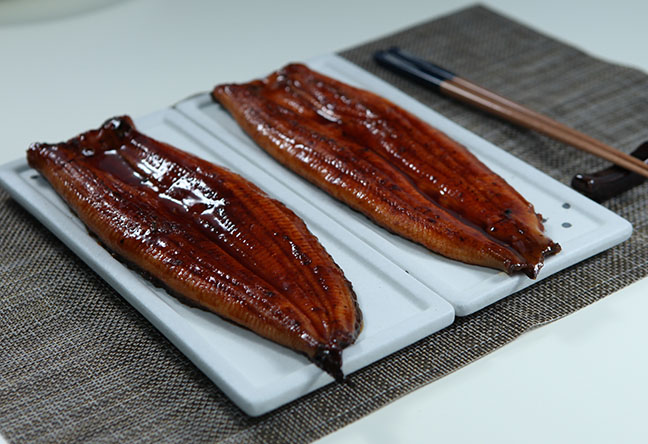
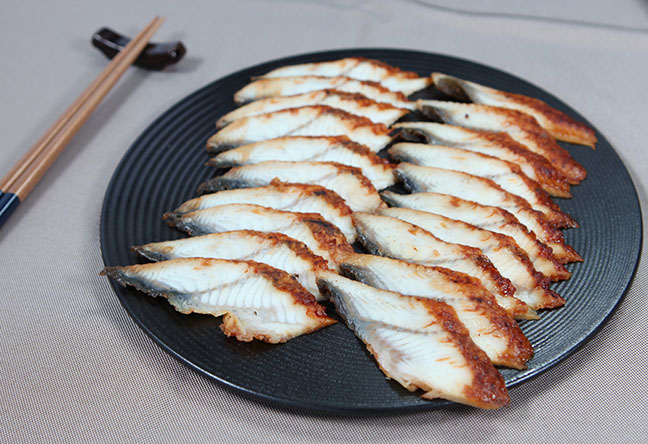
Frozen unagi kabayaki is often a strong retail starting point because it is already grilled and coated in a sweet-savory sauce. Depending on the pack format and local preparation instructions, shoppers may simply need to heat it and serve it with rice. That familiarity takes much of the uncertainty out of trying eel at home.
Other useful formats may include plain frozen eel portions, eel fillets, freshwater eels for foodservice, or mixed seafood selections. Each format serves a different type of buyer:
Eelpro Co., LTD supplies frozen unagi kabayaki, eel sauce, frozen seafood, and freshwater eels for overseas buyers. Retailers can review the unagi kabayaki product range when planning a ready-to-heat offering, then match pack size and cooking guidance to the target market.
Labels have two important jobs. They must provide legally required information, while also helping shoppers decide whether the product fits tonight’s meal.
Exact requirements vary by destination. A product sold in the United States, the European Union, Canada, Australia, or another market may need different wording, formats, languages, allergen declarations, or origin details. Before packaging is printed, the importer and retailer should confirm current requirements with the relevant authority.
The label should identify the food accurately and present required information in a readable format. Depending on the market and product type, a retail pack commonly needs details such as:
For packaged eel, avoid vague front-panel wording. “Ready to heat” tells shoppers more than a decorative phrase. If sauce is included, state it clearly. If the product contains one or two portions, show that information on the front or in an easy-to-find panel.
Make a clear distinction between cooked, grilled, and raw. Shoppers should not have to interpret a photograph to understand the product’s condition. Cooking instructions must match the actual product and approved specifications. Do not describe a product as ready to eat if it still requires heating under applicable food-safety instructions.
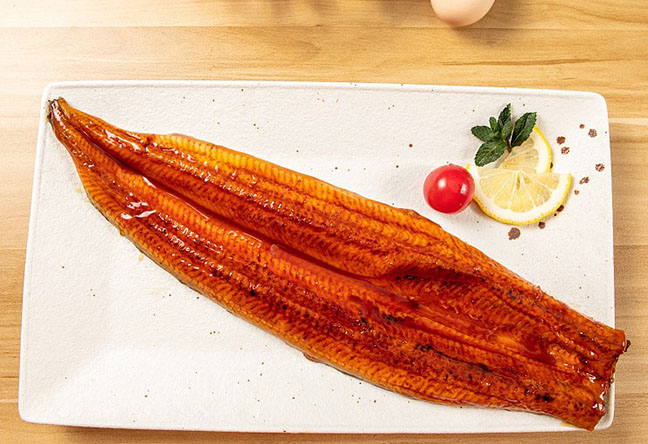
A close-up of glossy kabayaki can catch the eye, but a meal image answers the more useful question: “How will I use this?” Consider a serving image with white rice, sliced green onion, nori, pickled ginger, or steamed vegetables. The image should remain truthful to the pack contents. If rice and toppings are not included, make that clear in the wording and presentation.
Short preparation directions can sit alongside a QR code that links to a recipe page. For example, a retailer might show a simple sequence: thaw according to the package instructions, heat thoroughly, slice, and serve over rice. Final instructions must always follow the product specification and local requirements.
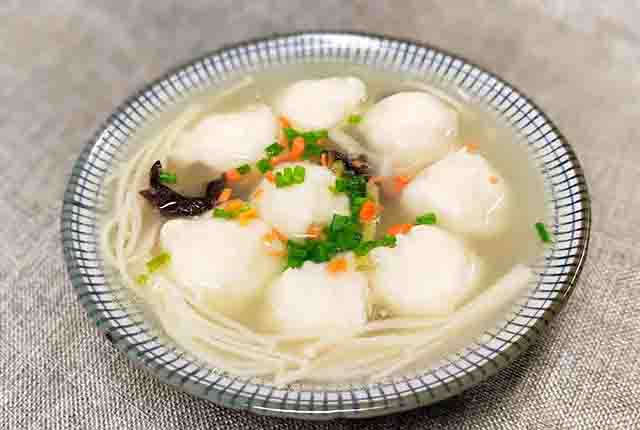
For meal inspiration, retailers can also direct shoppers to eel recipes. A noodle soup idea gives the same product a second use beyond unagi donburi.
Cold, crowded freezer cases are not ideal places to read fine print. Pack design needs to work at arm’s length, under artificial light, and during a quick shopping trip.
The best format depends on the supply chain, pack size, and the retailer’s equipment. In general, good supermarket packaging should protect the food, maintain clear product identification, and keep the main selling points visible without requiring shoppers to open the freezer door.
Useful packaging considerations include:
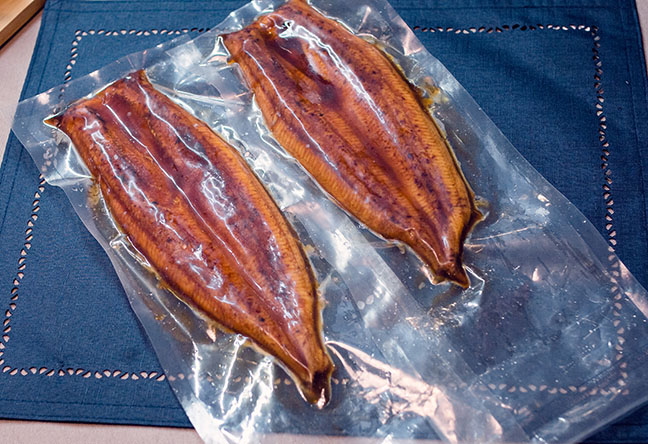
Vacuum packaging may suit some eel products, but it is never a substitute for correct frozen storage or safe handling. Retailers should follow the supplier’s instructions, keep the product at the required temperature, and avoid selling packs with broken seals, heavy frost, or signs of thawing and refreezing.
One practical point: a thick layer of ice inside or around a package does not automatically mean the fish is unsafe. However, it may indicate temperature fluctuation, damaged packaging, or extended storage, so it deserves attention. Store teams should inspect the case and follow their own quality procedures rather than judging the product by appearance alone.
Eel merchandising involves more than placing packs in the seafood section. It is the combination of products, signs, recipes, and meal cues that moves a shopper from curiosity to purchase.
Group products by shopper need rather than presenting every pack as an equal choice. A simple freezer layout might include:
Use shelf tags such as “Serve with rice,” “Great for noodle dishes,” or “Sauce included,” provided the wording is accurate for the product. A small recipe card can often do more than a long paragraph. One serving suggestion is enough to get shoppers started.
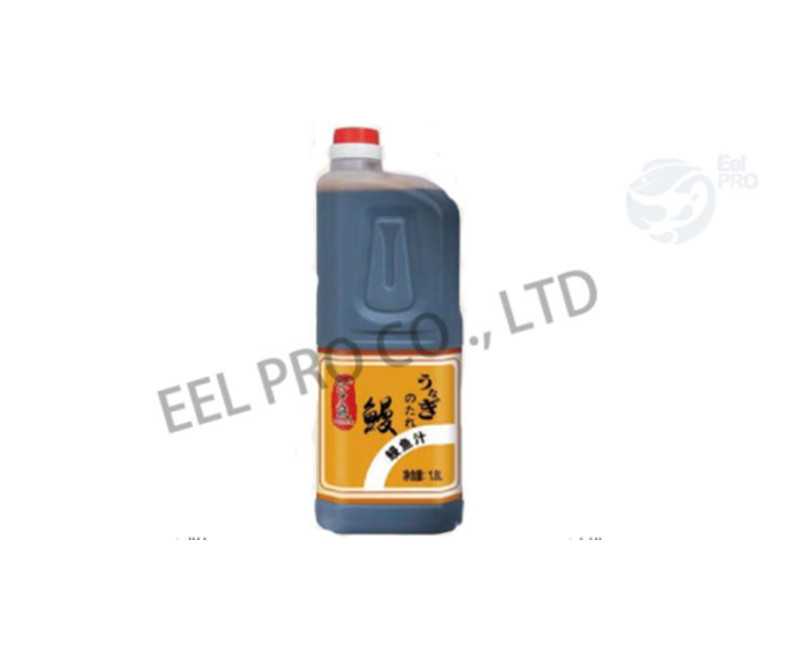
If the store layout permits, place eel sauce, rice, nori, sesame seeds, spring onions, and Japanese pickles in nearby areas or feature them together in a seasonal promotion. Eel sauce, also called unagi tare in many foodservice and Japanese cooking settings, can encourage repeat purchases when customers want to recreate the flavor at home.
Retail buyers can review the eel sauce product page when considering a sauce add-on or separate shelf item. The pack should clearly explain whether the sauce is included with the eel or sold separately. That small detail prevents disappointment at home.
A small sign can address the concerns that stop first-time buyers:
Keep the language direct. Shoppers rarely need a lengthy history lesson while standing beside a freezer. A short cultural note can work well online or on a recipe card, but shelf messaging should help customers make a quick, confident choice.

Display work cannot make up for poor cold-chain handling. Frozen products should be stored and displayed at the temperature required by the product specification and local food rules. For many quick-frozen foods, -18°C or colder is a common reference point, but retailers must verify the correct requirement for the specific market and product.
Store teams should check freezer temperatures according to the business schedule, keep doors and lids closed where possible, and rotate stock using a documented system. Do not place new cartons in front of older stock without checking dates and lot details.
Freezer presentation also affects trust. Remove packs with torn film, unreadable labels, leaking sauce, or severe damage. Keep the front-facing panel visible, and avoid overfilling the case. A neat row makes the range easier to browse and understand.
Retail frozen eel sales improve when the product is tied to a specific occasion. “Seafood” is broad. “Dinner for two in 10 minutes” is easier to picture, although any stated preparation time must reflect the actual product instructions and store communication.
Here are practical actions for buyers and category managers:
In practice, the strongest retail message is often the simplest: this is the product, this is how to heat it, and this is what to serve alongside it. Customers do not need to become eel experts before making dinner.
For category education, a retailer can also share a short article about sauce flavor and use. Eelpro’s kabayaki sauce article may help shoppers understand why the glaze works with rice, noodles, and grilled dishes. Keep promotional language factual and make sure every product claim is supported by supplier documentation.
Do not hide the product name. A beautiful photograph cannot replace clear identification.
Do not mix raw and cooked formats without strong separation. Different preparation expectations require different shelf messages.
Do not use “fresh” for a frozen product in a way that could confuse shoppers. If the eel was previously frozen, the label and sales message should follow applicable rules.
Do not promise a cooking time that the package does not support. Microwave wattage, portion thickness, and equipment vary.
Do not ignore origin and traceability records. Keep supplier documents, lot information, and market-specific label approvals organized before launch.
Do not treat the freezer as storage only. It is also a communication channel. A small recipe message, a clear category block, and a front-facing pack can change how quickly shoppers understand the offer.
Use an accurate product name and include the information required by the destination market. This may include ingredients, fish allergen information, net weight, storage instructions, date marking, lot identification, origin, responsible business details, and preparation directions. Confirm the final artwork with the importer and a qualified local compliance reviewer. Label wording should also make the product state clear, such as grilled, cooked, or raw.
Choose packaging that performs at the required frozen temperature, protects the product, withstands normal handling, and presents key information clearly through the freezer door. Flat, stackable packs are often convenient for case management, while portion-friendly formats can help households reduce waste. The best choice depends on the product specification, distribution conditions, retailer equipment, and local packaging rules.
Start with a clear meal idea. Place ready-to-heat kabayaki where shoppers can see it, show whether sauce is included, add a short serving suggestion, and offer pack sizes for both trial and repeat purchase. Cross-merchandising with rice, noodles, nori, and vegetables can make the product easier to picture. Track sell-through and customer questions, then adjust pack size, placement, and messaging.
Check the delivery temperature against the agreed specification, inspect carton and pack condition, confirm product identity and lot information, and look for broken seals, leakage, excessive frost, or signs of thawing. Record the checks according to the retailer’s food-safety procedures. If anything is unclear, hold the product and contact the supplier before placing it on sale.
A strong frozen eel retail program does not depend on loud claims. It depends on accurate information, useful pack design, disciplined temperature control, and a display that gives shoppers a reason to try the product.
Eelpro Co., LTD can support overseas buyers with frozen unagi kabayaki, eel sauce, freshwater eels, and other frozen seafood products. Contact us to discuss product formats, private-label requirements, packaging information, and a retail range suited to your market. Then share your favorite serving idea in the comments—or explore more eel recipes and selection tips for your next menu.


 WhatsApp
 sales@chinaeels.com
 +8619937922411