


What Is Eel Sauce If It Contains No Eel?
You order unagi at a sushi counter. The server drizzles a thick, dark glaze over the rice. You ask what's in it. "Eel sauce," they say. But there's no eel in the bottle. None in the ingredient list either. So what is eel sauce, really — and why does a soy-and-sugar glaze still carry an eel's name on menus from Tokyo to Texas? The answer sits in food history, not food chemistry.
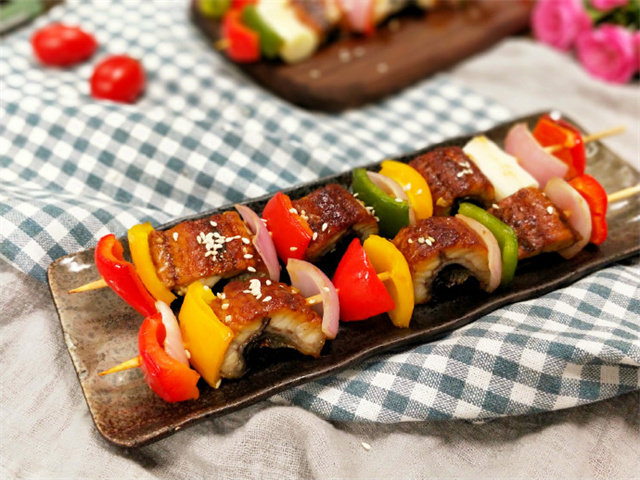
What Is Eel Sauce Made Of Today
Most bottled eel sauce sold outside Japan is a thick soy-based glaze. Its core ingredients are soy sauce, sugar or mirin, and sometimes a small amount of dashi stock for depth. No eel meat, eel fat, or eel extract goes into the modern commercial recipe. The name survives from its original job, not its current contents.
To answer what is eel sauce in plain terms, start with the label on any retail bottle: soy sauce, sugar, water, mirin or rice wine, sometimes cornstarch for thickness. That's it. Eelpro's own eel sauce follows this format — a soy-and-mirin reduction cooked until it coats a spoon, built to glaze grilled unagi kabayaki without masking the fish's own flavor.
Eel Sauce: Glaze Origin vs Today's Soy-Based Recipe
This is where the naming confusion actually gets solved. In Japan, the traditional sauce brushed onto grilled eel is called tsume or nitsume. Generations ago, kitchens made it by simmering the eel's own bones, skin trimmings, and roasting drippings together with soy sauce and sugar. That batch did contain real eel residue — it was a working stock, topped up and reused for years in some old eel shops, getting richer with age.
The bottled "eel sauce" sold in grocery stores and used on sushi-bar export menus today is a different product entirely. It kept the name because it's the sauce people put on eel — not because eel went into the pot. Dropping the eel-derived stock made the sauce shelf-stable, allergen-simpler, and cheaper to produce at volume.
| Feature | Traditional Nitsume/Tsume | Modern Bottled Eel Sauce |
|---|---|---|
| Core ingredients | Eel bone/skin drippings + soy sauce + sugar | Soy sauce + sugar + mirin (sometimes dashi) |
| Contains eel | Yes, as stock/drippings | No |
| Shelf life | Days, kept refrigerated, replenished continuously | Months, shelf-stable or chilled |
| Typical use | House glaze, brushed fresh during grilling | Table condiment, drizzle, retail bottled sauce |
If a menu or label calls something "eel sauce," assume the modern soy-based version unless the kitchen specifically says it's house-made nitsume kept from an active stock pot — that's rare outside long-running Japanese restaurants.
How Commercial Eel Sauce Is Made
Production at scale follows a controlled sequence, not a loose simmer. Here's the general process behind a commercial batch:
- Combine soy sauce, sugar, and mirin in a fixed ratio for consistent sweetness and viscosity.
- Simmer at controlled, moderate heat — too high and the sugars scorch, giving a bitter edge instead of a clean caramel note.
- Reduce until the sauce coats a spoon without running off.
- Cool, filter for clarity, then fill and chill for cold-chain shipment.
At Eelpro, the same soy base used in our sauce also feeds our 4-layer soy-sauce coating process for roasting kabayaki eel — each layer applied at a controlled temperature step to build the signature dark color without burning the sugar. Finished sauce and roasted eel both move through our 1,000-ton cold storage facility before shipment, which matters for buyers who need stable texture after a multi-week ocean freight run. Read more on this in our piece on why kabayaki sauce behaves differently under heat.
Eel Sauce vs Teriyaki Sauce vs Ponzu
Menu readers often lump these together. They shouldn't — the use case and name origin differ for each.
| Sauce | Primary Use | Flavor Profile | Name Origin |
|---|---|---|---|
| Eel sauce (unagi tare) | Glaze for grilled eel, sushi roll drizzle | Sweet, thick, soy-forward | Named after the dish it glazes, not its ingredients |
| Teriyaki sauce | General grilling glaze (chicken, beef, salmon) | Medium sweet, lighter body | "Teri" (shine) + "yaki" (grilled), not species-specific |
| Ponzu | Dipping sauce for sashimi, cold dishes | Tangy, citrus-soy, no added sugar body | Named after the citrus, not a method |
If you're deciding what to put on grilled eel versus raw fish, that table is the fast answer: eel sauce goes on cooked, glazed items. Ponzu goes on raw or chilled ones. Mixing the two up is one of the more common ordering mistakes.
Common Mistakes When Buying or Cooking With Eel Sauce
- Assuming it's automatically vegetarian or vegan — some brands add dashi made from bonito or other fish stock. Always check the label if that matters to your guests.
- Using it as a dipping sauce for raw sashimi — it's a cooked glaze built for grilled items; on raw fish it overwhelms the texture and flavor instead of complementing it.
- Expecting a thin, runny bottle to glaze like a thick house-made sauce — thinner sauces usually need extra reduction on the stove before brushing onto grilled protein.
- Treating eel sauce and teriyaki as interchangeable on a shared menu — guests notice the difference even if the kitchen doesn't label it clearly.
- For importers: skipping residue and microbiological test confirmation — Japan, US, and EU customs each check veterinary drug residues and microbial counts, and a missing certificate can hold a shipment at port.
For home cooks fixing a batch that came out too salty or too thin, our kabayaki sauce flavor-fix guide walks through the most common repairs step by step.
A Buyer's Checklist for Sourcing Eel Sauce or Kabayaki
For foodservice buyers trying to pin down what is eel sauce before writing a purchase spec, the ingredient list is only half the decision. The supplier's compliance record matters just as much, especially for export markets. Run through this before placing an order:
- Confirm certification — look for ISO 22000:2018, HACCP, and HALAL where the end market requires it (Indonesia, Southeast Asia, and other Muslim-majority channels, for example).
- Ask for traceability documentation — farm registration through shipment. Eelpro works with roughly 20 customs-registered eel farming bases covering over 2,150 mu, with full-chain tracking available on request. See our eel farming base details.
- Check cold-chain capacity — a 1,000-ton storage facility behind the supplier reduces the risk of texture or flavor drift during transit.
- Request lab test reports — an in-house laboratory and metal detector screening at critical control points should be standard, not an add-on. Our quality lab handles this screening before goods leave the facility.
- Confirm lead time — a regular order typically runs about 30 days from confirmation to shipment, though this shifts depending on spec and order volume.
- Match MOQ to your channel — catering chains, wholesalers, and export traders each sit on different MOQ tiers depending on cutting spec (skewers, cut pieces) and packaging (skin-pack, gift box).
Eel Sauce FAQ: Direct Answers for Menu Readers and Buyers
Does eel sauce contain eel?
No, not in virtually any commercial bottled version sold today. The one exception is traditional house-made nitsume, which historically used eel bone and skin drippings as its base — but that's an in-house stock pot practice, not a retail product.
Is eel sauce the same as unagi tare?
Yes. "Tare" is simply the Japanese term for a glazing sauce, and "eel sauce" is the English retail name used for the same soy-based condiment.
Is eel sauce gluten-free?
Depends on the brand. Standard soy sauce contains wheat; gluten-free versions substitute tamari. Check the label, especially for allergen-sensitive diners.
Can eel sauce be used on proteins other than eel?
Yes — chicken, salmon, tofu, even grilled vegetables take it well. It's a sweet soy glaze, not an eel-specific one. Our flavor pairing guide covers more combinations for menu planning.
How long does bottled eel sauce last once opened?
Refrigerated, most shelf-stable soy-based sauces hold up for 1 to 3 months — check the printed date. For storage and make-ahead handling, our storage tips guide has the specifics.
Now that the naming mystery behind what is eel sauce is cleared up, the practical question is sourcing quality and consistency — not just reading the label once at a sushi counter.
Request a Sample Before You Commit to a Spec
If you're writing a menu spec or an import order around eel sauce or frozen roasted eel, ask for a sample batch and the lab report before confirming quantity. It's a quicker way to confirm viscosity, salt level, and color match than relying on a spec sheet alone. Reach out to our team for a sample or a quote tailored to your packaging and volume needs.