


What Is Unagi and How Freshwater Eel Becomes Kabayaki
You order unagi and a glossy, sweet-savory fillet lands on your rice. But that is not a fish you can pull from a pond. So what is unagi, really? It is freshwater eel. The lacquered dish on your table is what happens after splitting, grilling and glazing.
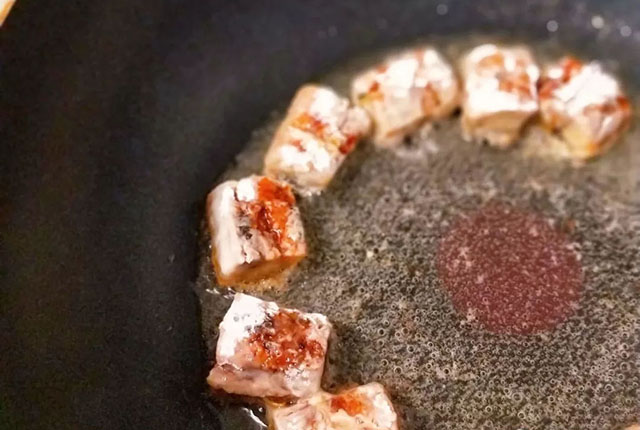
The Short Answer: Eel, Kabayaki and Unadon Are Three Different Things
"Unagi" is the Japanese word for freshwater eel. Menus often use it for the cooked, sauced product. That shortcut hides three separate layers.
| Term | What it actually is | Where you meet it |
|---|---|---|
| Unagi | The freshwater eel itself | Farms, raw-material specs |
| Kabayaki | Eel that is split, roasted and coated in sweet soy-based sauce (a Japanese preparation style) | Frozen vacuum packs, restaurant back kitchens |
| Unadon / unagi nigiri | Finished dishes built on kabayaki | Rice bowls, sushi counters |
Why does this matter? A buyer who says "I want unagi" may mean any of the three. The answer decides whether you need live eels, a ready-to-heat fillet, or only the sauce. If you want to see the fillet format, start with our unagi kabayaki product page.
Process Explanation: From Freshwater Eel to Finished Dish
Each step changes something you can taste or see. Each also carries a trade-off.
| Stage | What happens | What it changes | Trade-off |
|---|---|---|---|
| 1. Splitting and deboning | The eel is opened, cleaned and the bones are removed | Eating texture, portion consistency | Deboned fillets cost more labor but cut back-of-house work |
| 2. White roasting | The fillet is grilled before sauce, so the surface sets and fat renders | Surface color, firmness, fat level | Under-roasting leaves a greasy bite; over-roasting dries the flesh |
| 3. Steaming (style dependent) | Some regional styles steam between grilling stages | Softness of the flesh | Softer texture, less chew; confirm if a spec requires it |
| 4. Glazing and re-grilling | Soy-based tare is brushed on in layers, with grilling between coats | Gloss, sweetness, caramelized aroma | More layers deepen color but can push salt and sweetness up |
| 5. Cutting and packing | Whole fillets, 3-section cuts, strips, dice or sushi slices; frozen and packed | Menu use, yield, thaw handling | Smaller cuts fit bowls and rolls but expose more surface |
Common serving formats
- Unadon or unaju: a whole or halved fillet over rice. Fillet size and sauce balance matter most.
- Unagi nigiri: a slice on pressed rice. Sushi slices need an even thickness.
- Rolls and bowls: strips or dice suit rolls, toppings and fusion menus. See our eel sushi roll recipe for one example.
Which Parameters Matter and How They Interact
Three things shape the final bite: the roasting stage, the coating layers and the fat or odor control.
Coating layers and color. Our process applies 4 precise layers of soy sauce with temperature-controlled steps. We hold standards for a "white-roasted color" and for the 1st-through-4th coating colors. A defined color standard tells a buyer what to expect from batch to batch. The limit: a darker coat is not automatically better. Some markets prefer a lighter glaze, so match the color grade to your menu.
Fat and odor. Freshwater eel is naturally rich. Eelpro holds patents for low-fat roasted eel processing and deodorizing equipment. In practice this aims at a cleaner, less heavy bite. It does not replace good raw material, and it does not suit a buyer who wants a very rich style. Ask for a sample and judge it against your own recipe.
How they interact. Less fat from roasting changes how the sauce clings. A fillet roasted lighter takes glaze differently from one roasted hard. That is why color grade, roasting level and sauce should be specified together, not one at a time. The kabayaki sauce article explains why the tare carries so much of the final flavor.
Misunderstandings and a Quick Pitfall Guide
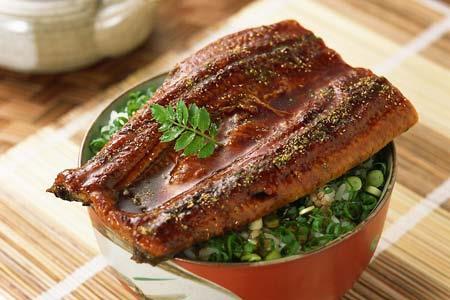
- "Unagi is a sushi topping." It is a fish first. Sushi is one use among several, including rice bowls, soups and tempura.
- "Unagi and anago are the same." Cold fact: anago is saltwater conger eel with a softer, lighter taste. Unagi is freshwater eel and richer. Check which one a menu means.
- "Kabayaki is a species." It is a cooking method and sauce style. Two kabayaki products can differ widely in raw material and roasting.
- "Darker means better." Color shows coating depth, not quality. Ask for the coating grade.
- "Frozen means lower grade." Not by itself. Freezing is how kabayaki travels. What matters is the cold chain and traceability behind it.
What to Check Before You Buy Prepared Unagi
Menu readers can stop at the taste. Buyers need more. Use this checklist.
- Raw-material source. Ask where the eels were farmed and whether the farm is registered. Our unagi eel farm for Eelpro Co. network includes about 20 customs-registered farming bases covering over 2,150 mu, with traceability from farm to shipment.
- Residue and microbiology testing. Request testing information against your market's standards. Our products are prepared to meet Japan, US and EU inspection standards for veterinary drug residues and microbiological indicators.
- Quality systems. We hold ISO 22000:2018 and HACCP certification, plus HALAL, with an export food producer registration. An in-house lab and metal detectors sit at critical control points.
- Cut and pack spec. Whole fillet, 3-section, strips, dice or sushi slices. Choose by menu, not by price alone.
- Cold chain and timing. We run a 1,000-ton cold storage facility. Regular delivery is about 30 days from order confirmation to shipment, negotiable by spec and quantity.
- MOQ. It differs for catering chains, wholesalers and export traders, and depends on cut and packaging format. Confirm it early.
A real-use example
We supply kabayaki on a long-term basis to restaurant chains in Japan. We also ship unagi kabayaki and eel sauce to food importers in the United States, and eel products to importers in Germany and Poland. These cases show different channels using one product family. They do not mean every spec suits every market, so confirm yours.
Planning a donburi menu? Our eel rice bowl toppings guide shows how the fillet format affects plating.
Next Step
Now that you know what unagi is and how it becomes kabayaki, the best test is tasting. Tell us your target menu and market, and we will suggest a cut, coating grade and pack format. Request a sample or spec sheet from Eelpro, or share your questions in the comments. You can also read our guide to how to cook eel: cleaning, skinning and deboning.