





Why Is Eel Sauce Called Eel Sauce Even Though There's No Eel Inside
You pour it over a sushi roll, check the label, and wonder — where's the eel? That's the first question most home cooks send us. Why is eel sauce called eel sauce if the bottle itself holds zero eel meat? The short answer: the name describes where the sauce came from, not what's floating in it. It started as the drippings collected while grilling unagi, and the name stuck long after bottled versions went eel-free.
Where the Name Actually Comes From
Traditional eel sauce — called tare in Japanese kitchens — began as a byproduct of roasting freshwater eel. Chefs basted the fillets with soy sauce, mirin, and sugar while grilling over charcoal. The liquid that dripped off, mixed with eel fat and caramelized sugars, was saved, strained, and reused as a glaze the next day. Over years — sometimes decades — that reused liquid thickened into a dark, syrupy sauce prized for its depth. This caramelization step relies on the same browning chemistry known as the Maillard reaction, which is why real tare has a roasted, almost smoky backbone that soy sauce alone can't replicate.
So the name "eel sauce" isn't a marketing label slapped on a soy-mirin reduction. It's a literal description of the sauce's original source: drippings from roasting eel. Bottled versions sold today skip the eel fat and build similar flavor using soy sauce, mirin, sugar, and sometimes dashi — but the name carries the history forward.
At our facility, this history shapes how we build our eel sauce line. We apply four layers of soy-sauce coating during roasting, each one temperature-controlled to build color and depth gradually rather than all at once. That's the same logic traditional tare masters used — just standardized for export-grade consistency.
Unagi no Tare, Kabayaki Sauce, and Nitsume — Not the Same Thing
This is where most buyers get confused, and it's worth clearing up before you place an order or read a menu. These three terms overlap but are not interchangeable in professional kitchens or on authentic labels.
| Term | What It Actually Is | Typical Use | Can You Swap It for Bottled "Eel Sauce"? |
|---|---|---|---|
| Unagi no tare | The traditional basting/glazing sauce used specifically for grilling freshwater eel (soy, mirin, sugar, sometimes eel drippings) | Brushed onto eel during roasting; also drizzled on finished kabayaki | Yes — this is what most bottled "eel sauce" is modeled after |
| Kabayaki sauce | A broader term for the glaze used on kabayaki-style grilling, which can apply to eel, but also to other grilled fish prepared kabayaki-style | Any kabayaki-prepared seafood, not limited to eel | Partially — flavor profile is close, but not eel-specific by definition |
| Nitsume | A reduced, thickened sauce used mainly in sushi, often made with eel stock, soy sauce, mirin, and sugar simmered down slowly | Finishing glaze for nigiri sushi, especially eel or conger eel nigiri | No — nitsume is thicker and usually sweeter; swapping changes the dish's texture |
If a recipe or a supplier spec sheet calls for nitsume and you substitute standard bottled eel sauce, expect a thinner glaze that won't cling to sushi rice the same way. If a menu says kabayaki sauce but the dish isn't eel, don't assume it tastes identical to unagi no tare — the base ratios can shift depending on the protein it's paired with. Knowing these boundaries matters more for foodservice buyers writing specs than for home cooks drizzling sauce on a bowl of rice.
Common Mistakes When Buying Bottled Eel Sauce
- Assuming "eel sauce" always contains eel. Most commercial bottles do not. Check the ingredient list, not just the front label.
- Confusing kabayaki sauce with teriyaki sauce. Teriyaki usually skips the deep caramelized roasting step and leans sweeter with less soy-forward depth.
- Buying thin sauce for sushi nigiri work. Thin sauces run off rice. For nigiri, you want a nitsume-style reduction, not a drizzle-grade glaze.
- Ignoring sodium and sugar ratios on export labels. US, EU, and Japanese buyers often have different residue and labeling requirements — always confirm compliance before importing in bulk.
- Storing opened bottles at room temperature. Once opened, eel sauce should go in the fridge; the sugar content doesn't make it shelf-stable indefinitely.
How Production Process Ties Back to the Name
Understanding why the sauce is named this way also helps explain what separates export-grade product from a generic soy glaze. Our roasting lines apply a four-layer soy-sauce coating process with temperature-controlled steps at each stage, following internal standards for what we call "white-roasted color" and successive soy-sauce coating color grades — first through fourth layer. This step-by-step build is closer to how traditional tare developed its depth over repeated basting, just compressed into a controlled production cycle instead of years of reuse.
We also hold a patent for low-fat roasting and deodorizing equipment, which reduces the fishy aftertaste some buyers associate with lower-grade unagi kabayaki product. This matters for the sauce too — since any drippings-based flavor component depends on a clean base fillet. The eel going into our roasting lines comes from roughly 20 customs-registered farming bases covering over 2,150 mu, with traceability tracked from farm registration through process verification and sampling. That chain matters if you're an importer who needs documentation to clear EU or US veterinary drug residue checks.
For buyers sourcing kabayaki eel for restaurant chains — including long-term supply relationships we maintain with Japanese restaurant operators and US food importers — this traceability isn't optional paperwork. It's what lets a shipment clear customs without delay. If you want the technical reasoning behind our soy-sauce layering approach, we've laid it out in more detail in this breakdown of our kabayaki sauce process.
A Quick Buyer's Checklist Before You Order
- Confirm whether you need unagi no tare (basting glaze), kabayaki-style sauce, or nitsume (sushi finishing glaze) — they are not drop-in substitutes.
- Ask for the ingredient list and sodium/sugar content if you're importing for a market with strict labeling rules.
- Check whether the supplier holds food safety certification relevant to your market — ISO 22000, HACCP, or HALAL, depending on your buyer base.
- Request cold-chain details. Sauce and roasted eel both need consistent cold storage; ask about the supplier's storage capacity and logistics setup.
- Clarify lead time. A standard order cycle from confirmation to shipment typically runs around 30 days, though this shifts with spec and quantity — always confirm before committing to a delivery date.
Frequently Asked Questions About Eel Sauce Naming
Does eel sauce contain real eel?
Traditionally, yes — in the sense that the original tare was made from eel roasting drippings. Most bottled commercial eel sauce today does not contain eel meat or fat; it's built from soy sauce, mirin, and sugar to mimic that roasted flavor.
Is kabayaki sauce the same as teriyaki sauce?
No. Kabayaki sauce is built around the caramelized, soy-heavy depth developed during eel grilling. Teriyaki sauce is sweeter and usually lighter, without the same roasting-driven complexity.
Can I use nitsume instead of regular eel sauce on a rice bowl?
You can, but expect a thicker, sweeter result. Nitsume is reduced further and works better as a sushi finishing glaze than a pour-over sauce for donburi-style bowls. For rice bowl ideas that match sauce thickness to topping, see our notes on donburi topping pairings.
Why does the name matter for import compliance?
Labeling terms affect how customs and food safety inspectors classify the product. A sauce labeled as containing eel extract may face different scrutiny under US, EU, or Japanese import rules than a soy-based glaze with no animal-derived eel content. Getting the label right avoids delays at the border.
What's the limitation of this naming explanation?
Regional variations exist. Some small-batch Japanese producers still use actual eel-drippings-based tare, which behaves differently from the soy-mirin versions most export buyers encounter. If you're sourcing for a market that expects the traditional drippings-based product specifically, confirm this detail directly with your supplier rather than assuming all "eel sauce" is built the same way.
If you're not sure which sauce format fits your menu — basting glaze, bottled drizzle sauce, or sushi-grade reduction — our team can walk through spec sheets and sample options before you commit to a bulk order. For a closer look at how roasted eel pairs with different sauces, check our grilled unagi glaze guide as well.
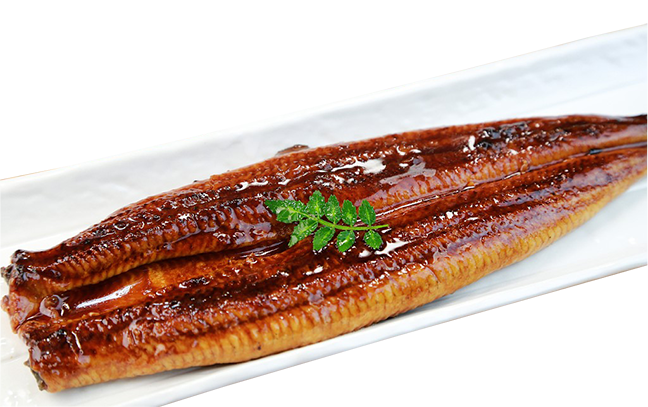
Ready to compare samples or check spec sheets for your market? Reach out for a quote or a sample batch of our frozen unagi kabayaki and eel sauce line, and we'll confirm compliance details for your destination country before you order.
Reviewed by Nancy Chen, Senior Food Safety & Quality Specialist with 12+ years in seafood export quality assurance and an ISO 22000 & HACCP certified auditor background.
 WhatsApp
 sales@chinaeels.com
 +8619937922411