


A Few Simple Techniques Keep Your Ankimo Recipe From Turning Crumbly
You steamed it carefully. It smelled right, looked right. Then you sliced it — and instead of clean, glossy rounds like you'd see at the sushi counter, it crumbled into mush on the cutting board. If that's happened to you, you're not alone. Getting a smooth, sliceable ankimo recipe right the first time trips up almost everyone, and the reason almost always comes down to three things: how hard you handled the liver while cleaning it, how tight you rolled it, and how long it sat in the steamer.
Monkfish liver is often called "sea foie gras" because of its fat content — depending on the catch, it can run 40-55% fat by weight. That's exactly why it behaves so differently from a regular fish fillet, and why a few technique mistakes early on can wreck the whole batch.
Why Monkfish Liver Falls Apart So Easily
The lobes are held together by thin membrane and a central vein, not muscle fiber. Once that structure is damaged, there's nothing holding the fat and tissue together under heat. Press too hard while cleaning, roll too loose, or steam too hot and too long, and the fat renders out faster than the protein can set — leaving you with a grainy, broken texture instead of a firm, sliceable log.
This is also why a good ankimo recipe reads more like a cold-smoking or terrine method than a typical seafood recipe. Temperature control and handling pressure matter more than seasoning.
Troubleshooting How Cleaning Pressure, Rolling Tension, and Over-Steaming Cause a Crumbly or Split Texture
Work through these checks in order. Most home cooks only find the real cause once they've ruled out the first one or two.
| Symptom | Likely Cause | Check First | Fix |
|---|---|---|---|
| Liver breaks into chunks before rolling | Cleaning pressure too aggressive | Look for finger-shaped tears along the vein lines | Rinse under a light cold stream; work the vein free with fingertips, never nails or a knife edge |
| Rolled log collapses or unravels when unwrapped | Rolling tension too loose | Press the ends — does it hold its shape? | Re-roll in two layers of plastic wrap, twist both ends like a candy wrapper, tie with kitchen string every inch (2.5cm) |
| Outer edge grainy, center oily and separated | Over-steaming melted out the fat | Check steam temperature with a thermometer | Keep steam at 85-90°C (185-194°F), cap total time at 20-25 minutes depending on thickness |
| Splits down the middle after slicing | Sliced while still warm or cooled too fast | Did it rest in an ice bath before refrigeration? | Ice bath 10 minutes, then chill wrapped at least 4 hours before slicing |
Notice the pattern: every fix is about reducing stress on the tissue at some stage — physical pressure, steam heat, or thermal shock. Skip any one check and you'll likely blame the wrong step next time.
Step-by-Step Ankimo Recipe for Clean, Sushi-Bar Slices
- Soak the liver in cold water with 1 tbsp salt per liter and a splash of sake for 20 minutes — this draws out residual blood.
- Rinse gently under a light stream of cold water. Use fingertips, not pressure, to pull out veins and membrane. For a full walkthrough on handling delicate seafood tissue without tearing it, see this cleaning, skinning & deboning guide.
- Pat dry, season lightly with salt and a few drops of sake.
- Lay flat on plastic wrap, roll into a tight log about 1.5 inches (4cm) thick, twist the ends, and tie with kitchen string at 1-inch intervals.
- Steam at 85-90°C (185-194°F) for 20-25 minutes — never a full boil.
- Remove and plunge into an ice bath for 10 minutes to stop the carryover cooking.
- Refrigerate, still wrapped, for at least 4 hours or overnight.
- Slice cold with a sharp, wet knife into rounds about 0.5 inch (1.2cm) thick.
Following this order matters more than any single ingredient. Skip the ice bath and jump straight to slicing, and even a perfectly steamed ankimo recipe will split along the grain.
Common Mistakes When Preparing Monkfish Liver at Home
- Scrubbing under full tap pressure to clean it faster — this tears the lobes apart before cooking even starts.
- Rolling loosely because the wrap feels fragile — leaves air pockets that collapse the structure during steaming.
- Steaming at a rolling boil to save time — renders out the fat, leaving a dry, grainy shell.
- Slicing straight from the steamer while still warm — the protein hasn't set, so the knife just pushes it apart.
- Buying liver that's already soft or discolored — texture problems often start at the market, not the stove.
Choosing and Serving Ankimo the Sushi-Bar Way
Quality starts before you ever touch the pan. Use this checklist when buying monkfish liver:
- Color should be pale pink to ivory — grayish or yellowing liver is past its prime.
- Smell should be clean and oceanic, with no ammonia note.
- Texture should be firm enough to hold its shape when lifted by hand, not mushy.
- Ask about cold-chain handling — liver that's traveled on stable cold storage handles more evenly than fresh-caught sitting on ice for days.
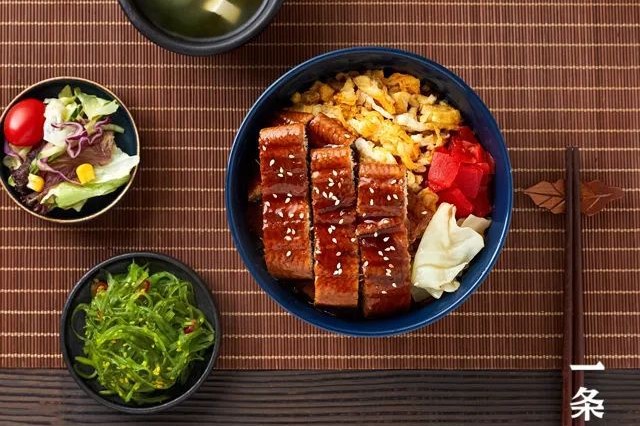
Traditional service pairs sliced ankimo with ponzu, grated daikon, and scallion. Some home cooks and chefs now finish the plate with a light sweet-savory glaze similar to eel sauce instead of ponzu — it adds depth without masking the liver's own richness. If you want to build your own glaze from scratch, this eel sauce recipe covers make-ahead and storage timing that works just as well here.
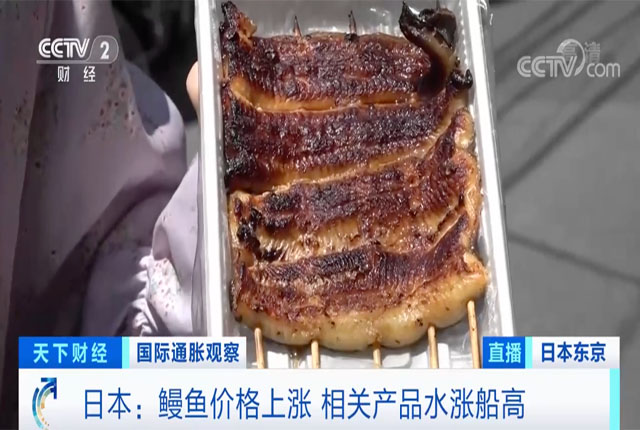
If you enjoy this kind of precise, low-and-slow seafood preparation, the same handling logic applies to other delicate items like unagi kabayaki — gentle cleaning, controlled heat, and a proper rest before slicing or glazing.
When This Method Doesn't Apply
This steaming approach is built for whole or near-whole lobes of monkfish liver, roughly 300-500g per log. If you're working with pre-cut fragments under 150g, rolling tight enough to hold shape gets difficult — in that case, a small terrine mold with light weight pressing works better than wrap-and-steam. And if your liver arrived already frozen-and-thawed more than once, expect a softer set no matter how carefully you follow the steps above; the ice-crystal damage from repeated freezing breaks down the same membrane structure that cleaning pressure and over-steaming damage.
Got a batch that split or crumbled last time? Compare your steps against the table above, figure out which stage went wrong, and try again with tighter rolling and lower steam heat. If you'd like a sample of our eel sauce to test as a glaze for your next ankimo plate, or want more pairing ideas, browse our eel recipes by region guide or reach out for a sample request.